
Reviewed · MULTI-DAY ROMANIA TOURS FROM BUCHAREST
10-Day Private Tour of Romania with Pick Up
Romania reveals its character over ten long days: communist-era Bucharest, Dacian ruins, wooden churches, painted monasteries, Dracula country, and the spectacular Transfăgărășan Highway. This private tour connects places that are difficult to combine by public transport, with a guide-driver such as Nicolas handling the road.
I like the freedom to adjust the daily plan, and I like having the same English-speaking guide throughout the trip. The small private setting also makes it easier to stop for photos or spend more time at a place that catches your interest. The main drawback is the pace: ten days cover a huge part of Romania, so several days involve long drives and many short visits.
Key points to know before booking
- A true cross-country route: The trip links Bucharest, Transylvania, Maramureș, Bukovina, Moldavia, and Brașov.
- Private transport throughout: Your group travels alone in a car or minibus, with fuel, parking, road tolls, and Wi-Fi included.
- Big cultural range: Expect communist history, medieval towns, Dacian sanctuaries, Orthodox monasteries, folk art, and royal castles.
- The road is part of the attraction: The Transfăgărășan Highway and Bicaz Gorges add scenery and adventure between major sights.
- Budget for extras: Your price covers the private service and guide costs, but not your hotels, food, drinks, or admission tickets.
- Best for flexible, energetic sightseers: You will see more than on a standard city tour, but you must be comfortable with long days in the vehicle.
What this 10-day Romania tour is really offering
At $3,918.13 per person, this is not a cheap sightseeing package. It is a private touring service built around transport, guiding, and flexibility. The price makes more sense if you are traveling with family or friends, since group discounts may apply and the vehicle is reserved for your party.
You are not paying for accommodation or meals, so compare the total cost with a self-drive trip before booking. You will also pay entrance fees at most major attractions. On the useful side, gasoline, parking, road tolls, the guide’s accommodation and meals, and wireless internet in the vehicle are included.
The biggest value is time. Romania’s best sights are spread far apart, and a private driver lets you connect them without changing trains, working out rural bus schedules, or losing hours behind the wheel. You can also request changes after the tour begins, within reason. That flexibility matters on a route affected by weather, road conditions, opening times, and your own energy.
The tour is offered in English and is private to your group. Most people can take part, but the schedule includes stairs, uneven historic sites, mountain stops, and long road days. Ask for the exact vehicle and pickup plan before you go, especially if your party has luggage or mobility concerns.
More multi-day Romania trips starting in Bucharest:
- 2-Day Medieval Transylvania with Brasov,Sibiu and Sighisoara Tour from Bucharest
★ 4.5 · 145 reviews - 2-Day Transylvania from Bucharest: Brasov, Bran, Sighisoara
★ 5.0 · 60 reviews - 4-Day Private Tour in Transylvania from Bucharest
★ 5.0 · 48 reviews
Bucharest: communist power, village life, and the 1989 Revolution
The opening day gives you a useful introduction to Romania through several sharply different places. At the Palace of Parliament, the scale is the story. This enormous administrative building, also called the People’s House, reflects the waste and grand plans of Nicolae Ceaușescu’s communist regime.
You have about two hours here, but admission is not included. Check the visiting rules and bring the identification required for entry if the operator advises it. The building is so large that a close selfie will not capture much of it, which is part of the point.
The National Village Museum offers a needed change of pace. Instead of state power and concrete, you see traditional houses, churches, tools, and rural buildings gathered in an open-air setting. One hour is enough for an introduction, though you may want longer if folk architecture interests you.
At the Romanian Athenaeum, you get one of Bucharest’s most graceful cultural landmarks. The stop lasts about 45 minutes, and admission is not included. The tour then moves to Revolution Square, where the former Communist Party Central Committee building connects directly to the December 1989 uprising that ended Ceaușescu’s rule.
Finish the day in the Old Town, with about two hours around historic streets, Hanul lui Manuc, churches, museums, restaurants, and shops. This is a good place to slow down after the heavier political sites. I would save room for a meal here, since food and drinks are your responsibility and are not part of the tour price.
From Curtea de Argeș to Sibiu along the Transfăgărășan
Day two shifts from the capital to the Carpathians. Curtea de Argeș Monastery is a short 30-minute stop, but its royal tombs and distinctive architecture give it weight. You also see the remains of the Wallachian princely court and the 13th-century Royal Church.
Poienari Fortress requires more commitment. The ruins sit high above the Argeș River and are linked with Vlad the Impaler, the historical figure who helped inspire the Dracula legend. The visit is scheduled for two hours, so expect a climb and plan your footwear accordingly. The attraction is more about the setting and the story than intact rooms or polished interiors.
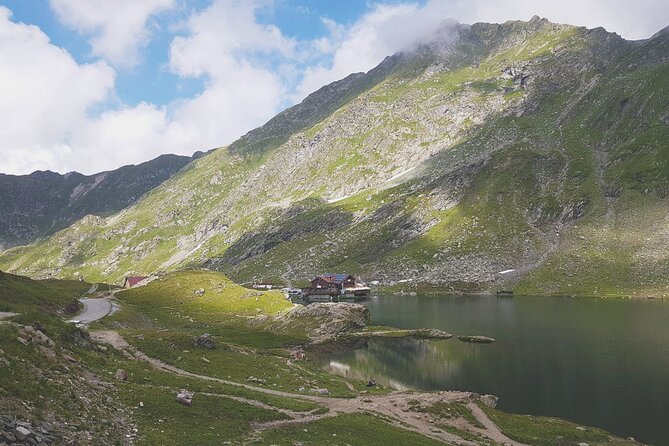
The Transfăgărășan Highway is one of the tour’s strongest scenic sections. It crosses the mountains for more than 150 kilometers and reaches 2,042 meters near the tunnel at Lake Bâlea. The road is generally open only from June through October, so the timing of your tour matters. Two hours here gives you a taste of the route, though weather may affect what you can see.
The day ends in Sibiu’s Big Square, with time for the old center and the Evangelical Cathedral. Sibiu’s mix of squares, historic buildings, and mountain surroundings makes it a pleasant overnight base. The day is also long, so do not expect a relaxed schedule from breakfast to bedtime.
Corvin Castle and the Dacian world
Corvin Castle is one of Romania’s most memorable medieval sights. Its Gothic and Renaissance forms create the dramatic image many people expect from a European castle, while the two-hour visit gives you time to explore beyond a quick photo stop.
Densuș Church offers a completely different kind of history. The stone church was built in its present form in the 13th century on the site of a Roman temple, using older materials connected with the Dacian fortress at Sarmizegetusa. Inside, the unusual murals include a depiction of Jesus in Romanian traditional clothing.
Sarmizegetusa Regia takes you into the Orăștie Mountains and the world of pre-Roman Dacia. The ancient capital and religious center sits high in the mountains, and the scheduled three hours reflects the distance and importance of the site. This is one of the days when sturdy shoes and patience will serve you well.
The setting is not a compact museum district. You are visiting remains spread through a mountain area, so this stop rewards people who enjoy archaeology, old civilizations, and outdoor walking more than those seeking a quick indoor attraction.
A few more Bucharest trips worth putting side by side
- Castles of Transylvania: Private Day Trip from Bucharest
★ 4.5 · 248 reviews - Dracula’s Castle, Peles Castle and Brasov – Private Day Trip from Bucharest
★ 5.0 · 211 reviews - Best of Bucharest | Private Walking Tour
★ 5.0 · 199 reviews - Bucharest Panoramic Sightseeing – Private City Tour
★ 5.0 · 128 reviews
Turda, Cluj, and the wooden church at Surdești
Turda Salt Mine is one of the route’s most unusual stops. Two hours underground gives you a look at a huge former mining site shaped by salt extraction. The saline air is often promoted as helpful for respiratory conditions, but you should treat that as a feature of the environment, not a medical guarantee.
Cluj-Napoca adds urban contrast. The botanical garden and old center bring together Baroque, Renaissance, and Gothic buildings, along with restaurants and local food. The one-hour schedule is brief for a city with several sights, so consider asking whether the garden or the central streets better match your interests.
Surdești Wooden Church is a fine example of the craftsmanship found in northern Romania. Its tower reaches about 54 meters, while the church is described as roughly 72 meters high in the tour information. The exact figures are less important than the impression: this is a remarkable wooden structure built in 1721, long before modern construction equipment.
Maramureș: humor, memory, and wooden monasteries
The Merry Cemetery in Săpânța is unlike most burial grounds. Brightly painted crosses carry humorous poems about the people buried there. The tone is playful, but the place also reflects a local way of treating death as part of ordinary life rather than something hidden away.
At the Memorial of the Victims of Communism and of the Resistance, the mood changes sharply. The two-hour visit explains the suffering caused by Romania’s communist system and the people who resisted it. I consider this one of the most important stops because it gives human meaning to the political history introduced in Bucharest.
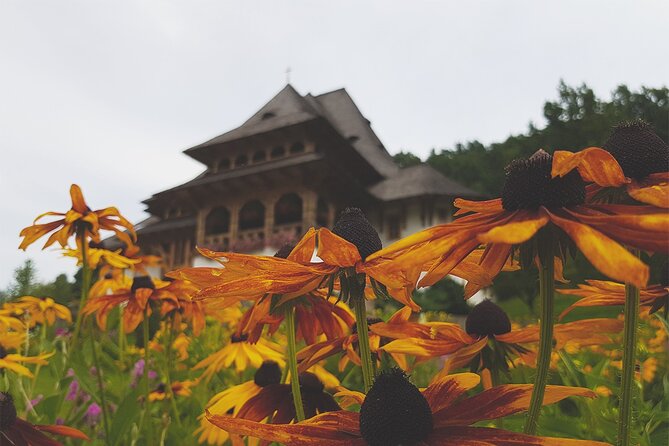
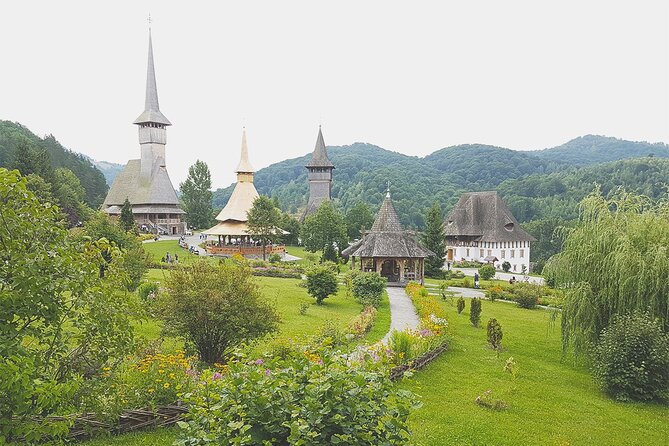
Barsana Monastery brings you back to Maramureș woodcraft and religious tradition. Its wooden church rises about 57 meters, and the grounds are designed with the storybook quality that makes this region so appealing. The scheduled 45 minutes is enough to see the main complex, though not to linger over every detail.
Tihuța Pass links Transylvania with Bukovina and is tied to Bram Stoker’s fictional Borgo Pass. Stoker did not visit the area, so the connection is literary rather than historical. The local Hotel Castel Dracula, built in 1976 and renamed after 1989, plays up that association.
Ciocănești offers a lighter, more local stop. Its houses are painted with traditional motifs, creating a village unlike the usual collection of stone medieval towns. One hour is enough to see the distinctive streets and surrounding forests and meadows.
Bukovina’s painted monasteries
Day seven is devoted to some of Romania’s most important religious art. Voroneț Monastery is famous for its intense blue exterior frescoes and was built by Stephen the Great in 1488. The nickname Sistine Chapel of the East is easy to understand once you see the painted walls, though the comparison should not make you overlook the distinctly Moldavian style.
Humor Monastery is a fortified religious site built in the 16th century after an earlier church was destroyed. Its thick stone walls show how worship and defense were often combined in this part of Europe.
Sucevița Monastery feels like a visual Bible in stone and paint. Biblical scenes cover the walls, and the fortified design adds to its importance. It is part of the UNESCO World Heritage group of painted churches in Moldavia.
Moldovița Monastery completes the set with Byzantine, Gothic, and Moldavian elements. Its exterior and interior murals are the focus, so dress respectfully and follow local rules about photography and entry.
Four monasteries in one day can become repetitive if you are not interested in religious art. If you are, this is one of the strongest sections of the tour. The private guide can help explain the scenes instead of leaving you to guess at the paintings.
Folk art and the Bicaz Gorges
The Lucia Condrea Egg Museum in Moldovița is a specialized stop with more than 5,500 exhibits arranged across two floors. It focuses on decorated eggs and artistic technique, offering a close look at a local craft that could easily be missed on a standard Romania circuit.
The Popa Museum near Târgu Neamț occupies the former home of sculptor Nicolae Popa. His life included war, imprisonment under the communist regime, and a later commitment to Romanian folk values. The one-hour visit connects personal history with sculpture and village traditions.
The Bicaz Gorges provide the day’s outdoor release. A three-hour stop along the river lets you see the road cut through the mountains and forests. Admission is included here, unlike most other attractions on the route. This is another place where comfortable shoes and weather-ready clothing are useful.
Sighișoara and Biertan’s fortified church
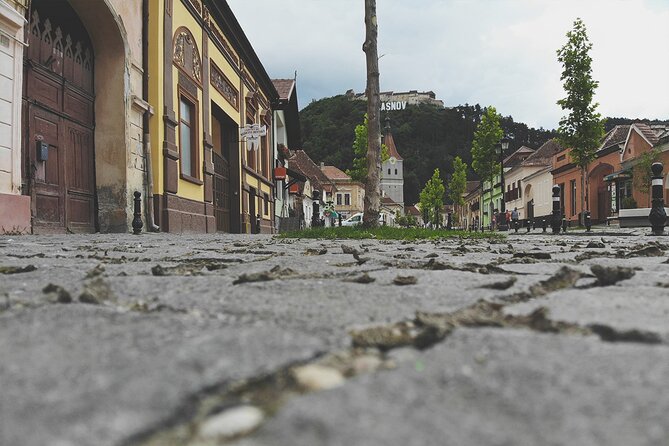
Sighișoara’s medieval citadel remains inhabited, which gives it more life than a preserved monument with no daily community. The Clock Tower and Arms Museum anchor a two-hour visit, and the town is linked with Vlad the Impaler as his birthplace.
The old streets are hilly and historic, so allow time to walk rather than treating the town as a quick photo stop. The medieval character is the main attraction, not a single building.
Biertan Fortified Church sits on a hill in the center of town, behind three defensive walls and seven bastions. The church was part of a Transylvanian Saxon settlement and is now a UNESCO World Heritage site. Two hours gives you time to appreciate both the church and its defensive layout.
Brașov, Bran Castle, and Peleș Castle
The final day brings three major sights, beginning in Brașov. The walking tour includes the Black Church, the old square, and medieval city walls, followed by free time in the central cafés. One hour is short, so use it wisely and ask your guide to point out the most important details.
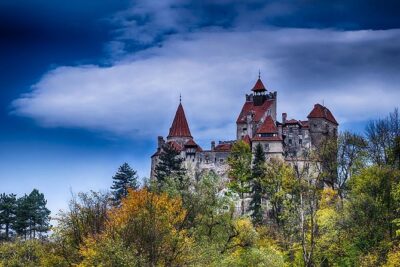
Bran Castle is the tour’s largest Dracula draw, but the connection to Bram Stoker is indirect. The castle resembles the fictional setting, yet the historical building and its royal associations are more solid than the vampire story. Outside, you can find traditional foods such as handmade cheeses, pálinka, ham, and sausages, though these purchases are not included.
Peleș Castle is the grand finale. Built as the Romanian royal family’s summer residence, it offers a very different mood from Bran: refined interiors, royal display, and a clear sense of ceremony. Two hours is a useful amount of time, but entrance is extra and opening schedules can affect the visit.
This is a packed ending. If you care more about castle interiors than checking off three famous places, ask whether the timing can be adjusted. The private format gives you a better chance of doing that than a fixed group departure.
Who gets the best value from this tour?
I would choose this tour if you want one Romanian trip to cover several regions and you do not want to drive yourself. It suits families, friends, and couples who value a private vehicle, an English-speaking guide, and the ability to reshape the route.
It is also a good fit if you care about more than Dracula. The itinerary gives serious time to communist history, Dacian archaeology, village architecture, religious art, and local craft traditions.
I would think twice if you want slow mornings, long stays in each town, or a hotel-and-meals package. The route is ambitious, and admission tickets add up. You should also confirm the seasonal status of the Transfăgărășan Highway before booking.
Free cancellation is available up to 24 hours before the start time. Changes or cancellations inside that window are not accepted for a refund.
Should you book this private Romania tour?
Book it if your priority is breadth, private transport, and a guide who stays with your group from Bucharest through the Carpathians and back toward Brașov. The strongest features are the flexible schedule, the wide regional coverage, and the mix of famous sights with less familiar places such as Densuș Church, Ciocănești, the Lucia Condrea Museum, and Sarmizegetusa Regia.
Skip it if you prefer to settle into one region, control every hotel choice, or keep driving days short. At this price, you need to budget separately for accommodation, food, and most admissions. For an energetic first trip to Romania, though, the itinerary gives you a powerful look at a country that is far more varied than its Dracula label suggests.
FAQ
Is this a private tour?
Yes. Only your group participates, and transport is provided by private car or minibus.
Is hotel accommodation included?
No. You arrange and pay for your own accommodation. The provider covers accommodation and meals for the guide.
Are meals and drinks included?
No. Your meals and beverages are not included in the tour price.
Are entrance fees included?
Most entrance fees are not included. The itinerary specifically lists the Bicaz Gorges as included, while the other major attractions generally require separate admission payment.
Is an English-speaking guide provided?
Yes. A private licensed English-speaking guide-driver is available throughout the tour. Nicolas is the guide name associated with the experience.
Can the itinerary be changed?
Yes. The tour allows considerable flexibility, including changes to the daily itinerary after the tour has started. Any change still needs to work with opening times, roads, weather, and the overall route.
Newest Bucharest trips we have written up
- Bucharest: Dealu Mare Winery Private Trip with Wine Tasting★ 4.9 · 6 reviews
- Winery touring & private wine tasting – one day private tour★ 5.0 · 3 reviews
- Traditions in Bucharest: Village Museum and Wine Tasting★ 5.0 · 8 reviews
- Your rendez-vous with Europe’s past: time-travel to Maramures, Transylvania★ 5.0 · 6 reviews
- Village Museum Bucharest Guided Tour★ 5.0 · 6 reviews
- Private Wine Tasting at Bucharest’s First Wine Bar★ 5.0 · 3 reviews
- Walking Tour of Bucharest City Center – Private Tour★ 5.0 · 4 reviews
- Wine tasting in Bucharest Old town – bonus cheese platter★ 4.5 · 6 reviews
Multi-Day Romania Tours from Bucharest, compared.
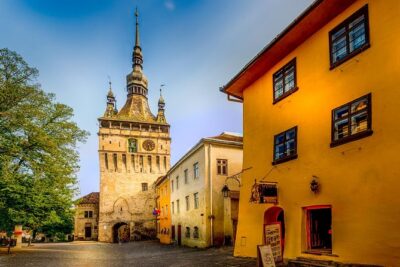
2-Day Medieval Transylvania with Brasov,Sibiu and Sighisoara Tour from Bucharest
Read our review →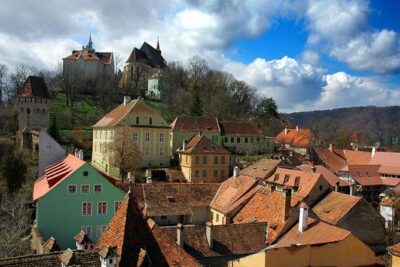
2-Day Transylvania from Bucharest: Brasov, Bran, Sighisoara
Read our review →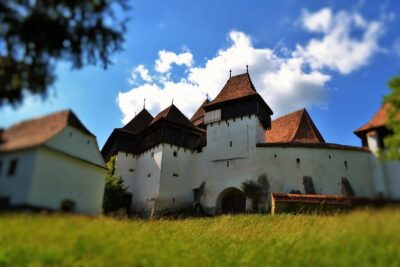
4-Day Private Tour in Transylvania from Bucharest
Read our review →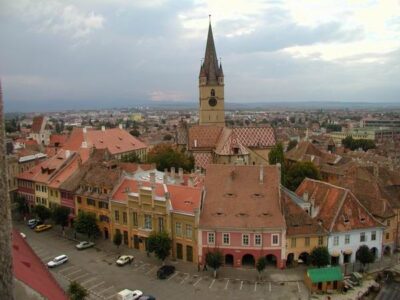
Transylvania Castles 4-day tour from Bucharest
Read our review →
2-Day Private Tour of Transylvania from Bucharest
Read our review →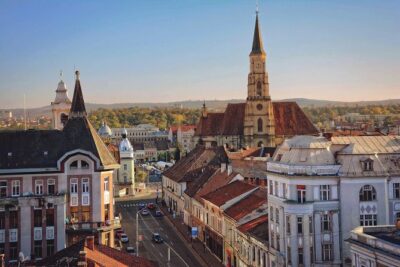
Classic Romania Tour – small group in 8 days: Transylvania and Maramures
Read our review →
2 Days Private Tour in Transylvania from Bucharest – 4 Medieval Cities
Read our review →Browse the lists this tour appears in