
Reviewed · ROMANIAN WINE TASTINGS NEAR BUCHAREST
Traditions in Bucharest: Village Museum and Wine Tasting
Bucharest’s Village Museum gives you a quick trip across rural Romania without leaving the city. In one green corner of King Michael Park, you can walk past wooden churches, thatched barns, and steep-roofed homes moved here from regions across the country. I like that the tour then shifts from buildings to handmade crafts and finally to wine, creating a clear picture of how Romanian culture lives in homes, workshops, and vineyards.
I especially like the private format, which lets the guide adjust the pace and drop you near the Old Town at the end. I also like the wine tasting’s focus on local grapes such as Feteasca Neagra and Negru de Dragasani, rather than only familiar international labels. The main consideration is walking: the museum covers a broad outdoor area, and this experience is not suitable for wheelchair users or children under three.
Key points to know before booking
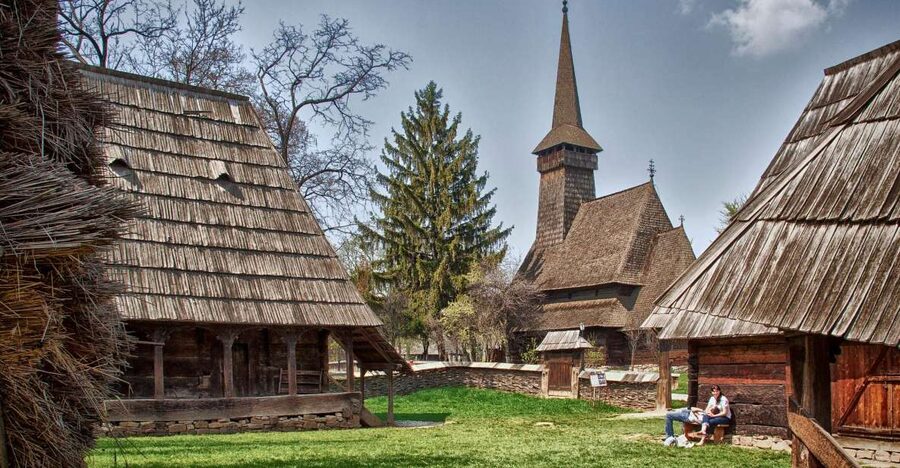
- More than 300 historic buildings: The Village Museum brings together homes, churches, mills, barns, and other structures from across Romania.
- Three connected cultural stops: You move from village architecture to handmade objects, then to local food and wine.
- Three Romanian wines: The tasting may include regional styles and grapes such as Feteasca Neagra, Tamaioasa Romaneasca, and Negru de Dragasani.
- Private hotel pickup: Transport is arranged from your accommodation, with the tour ending near the Romanian Athenaeum and within walking distance of Old Town.
- A guide-led experience: English and Romanian are available, and guide Mihai has been specifically praised for being punctual, flexible, and enthusiastic.
- A half-day commitment: Allow 4.5 hours, including about 1.5 hours at the museum and 1.5 hours at the wine bar.
Why this tour works as a first look at Romanian culture
Many city tours explain Bucharest through grand buildings, political events, and central squares. This one takes a different route. It begins with ordinary homes and farm buildings, the places where Romanian families cooked, worked, worshipped, and stored their harvests.
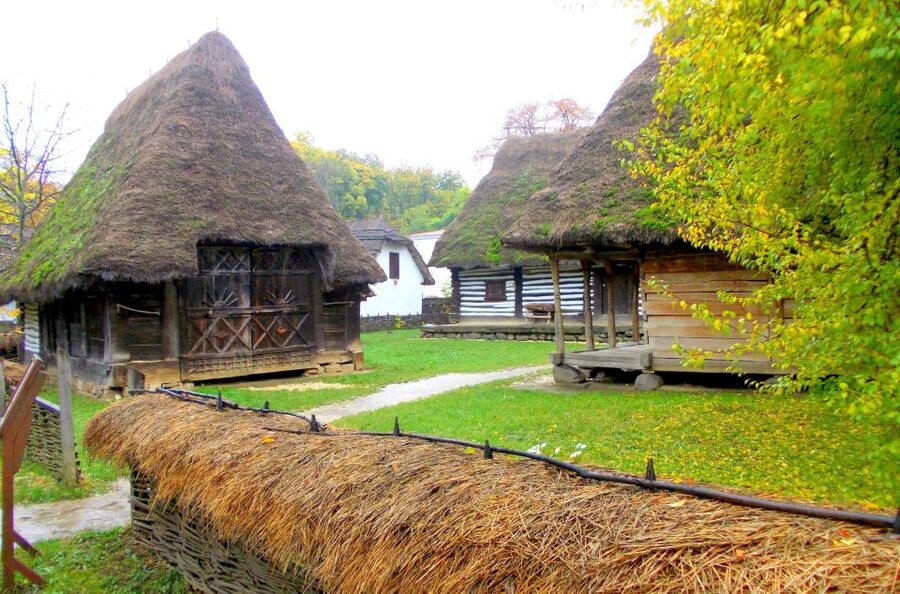
That choice matters. Architecture often tells you more about daily life than a formal monument does. A steep roof suggests heavy snow. A wooden church shows the skill of local builders and the materials available in a particular region. A windmill or thatched house points to a different climate and economy.
The sequence also makes sense. You first see how people lived, then the objects they made, and finally what they produced from the land. I find that more useful than a wine tasting with no cultural setting or a craft shop visited without explanation.
The tour lasts 4.5 hours, so it fits neatly into a morning or afternoon. Since transportation is private, you do not have to navigate across Bucharest between stops. That is especially useful when you want a focused cultural outing but do not want to spend half the day figuring out buses or taxis.
More museums and tickets in Bucharest:
- Bucharest: Museum of Senses Entry Ticket
★ 4.2 · 364 reviews - Communism in Bucharest – Landmarks, Museum & Communist Appetizers
★ 5.0 · 111 reviews - Bucharest: Entry ticket at the Museum of Communism
★ 4.6 · 57 reviews
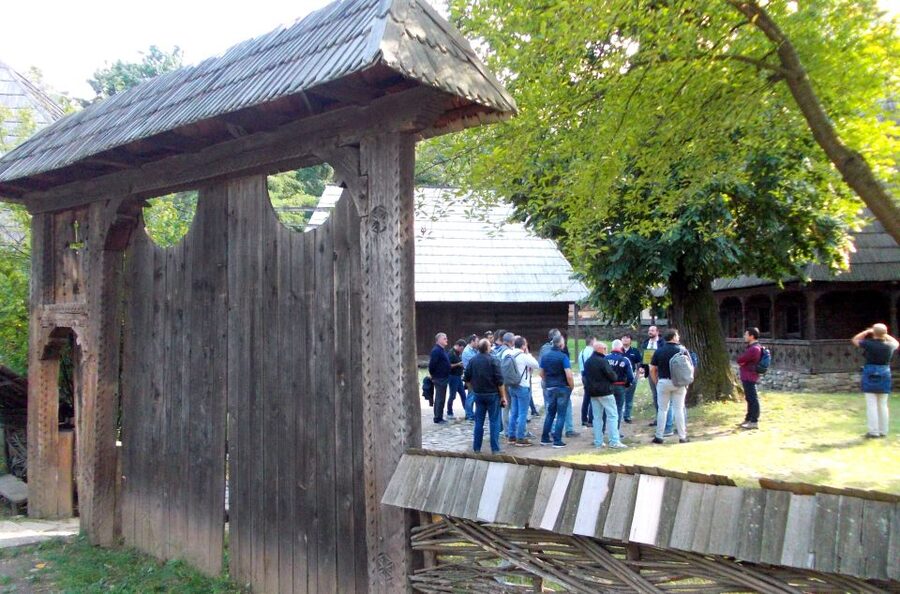
Walking through the Village Museum in King Michael Park
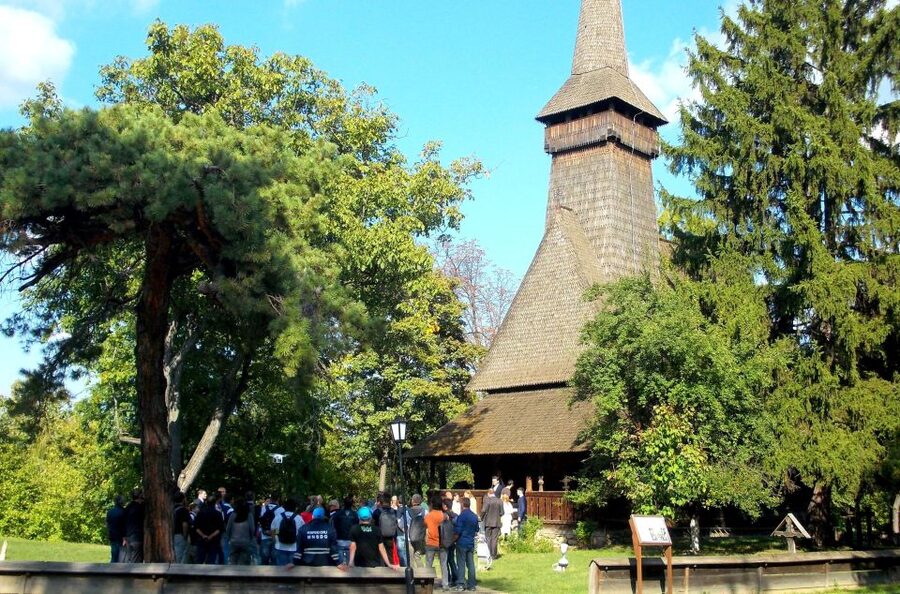
The Dimitrie Gusti National Village Museum was created in 1936 inside King Michael Park. It is described as the second-largest open-air museum in Europe, with more than 300 preserved buildings brought from different parts of Romania and rebuilt on site.
Think of it as a collection of real structures rather than a row of theatrical replicas. You walk from one regional style to another, seeing how Romanian villages differed from the mountains of Transylvania to Wallachia, Moldavia, the Danube Delta, and the Black Sea coast.
Your guided visit lasts about 1.5 hours. That is long enough to see a useful range of buildings without turning the outing into an all-day architectural survey. I would still wear comfortable shoes, since this is an outdoor walking stop and the museum’s buildings are spread through parkland.
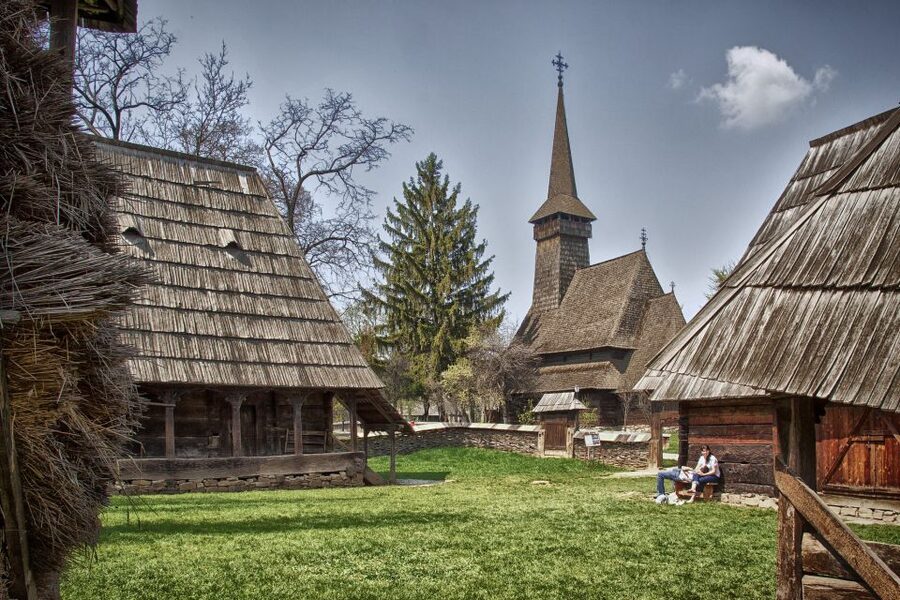
Look for the contrast between regions. Transylvania contributes wooden churches and mountain cabins. Wallachia and Moldavia are represented by larger inns and mansions. Near the Danube Delta and Black Sea, you may see windmills and homes with thatched roofs.
The museum’s value is not just visual. A guide can explain why these forms developed and connect them to Romanian folklore and local customs. Without that context, you might simply photograph a pretty wooden house and move on. With the explanation, the buildings become clues to work, family life, faith, and regional identity.
The museum can also be a good answer for a short Bucharest stay. You do not need to travel into the countryside to see traditional architecture. At the same time, you should not expect an untouched village or a working rural community. This is a carefully assembled museum, and the appeal comes from comparing many regions in one place.
Hot weather can affect the visit. A guest who toured on an especially hot day found that guide Mihai adjusted the outing with flexibility. That is worth keeping in mind when choosing your starting time. The museum is outdoors, and the walking portion will feel different in July than in November.
A ten-minute look at the Romanian Athenaeum
The route includes a short photo stop or pass by the Romanian Athenaeum, lasting about ten minutes. It is not a full interior visit, so keep your expectations in check.
Still, the stop gives the day a useful urban counterpoint. The Village Museum shows rural buildings and local traditions, while the Athenaeum represents Bucharest’s grander public face. You can take photographs and orient yourself in the city before the tour continues.
The tour finishes at the Romanian Athenaeum, which is practical if you want to continue on foot toward the Old Town. You can also ask the guide for directions back to your accommodation. That finishing point gives you more freedom than being returned automatically to the hotel.
Handmade blouses, painted eggs, and Romanian souvenirs
The second main stop is Art&Craft Victoriei, a local shop featuring handmade Romanian objects. You have about 30 minutes here, enough for a browse and perhaps a purchase, but not enough for a long shopping session.
The displays help explain the visual language of Romanian folk culture. You may see traditional blouses called ie, glass-painted icons, Moldavian Easter eggs, Horezu pottery from Wallachia, wooden masks, and small Transylvanian trinkets.
The ie is especially useful to see after visiting the museum. Its embroidery is not simply decoration. Patterns and colors can point toward a regional tradition, and the blouse remains one of the best-known symbols of Romanian folk dress.
The painted eggs from Moldavia offer another clear link between craft and custom. Horezu pottery shows the practical side of village artistry, where useful household objects could also carry distinctive shapes and decoration.
The shop also carries books, traditional sweets, and Dracula-themed souvenirs. That mix is honest and practical. You can find a serious handmade object, a small edible gift, or a lighter souvenir without pretending every item has the same cultural weight.
I would treat this stop as a chance to ask questions rather than as a required shopping appointment. If you want a handmade item, inspect it carefully and ask the guide about its regional connection. If shopping is not your priority, 30 minutes is still manageable.
More Romanian wine tastings near Bucharest:
- Wine Tasting in Bucharest
★ 5.0 · 183 reviews - Private Tour to Salt Mine, Lunch at Winery and Dracula Grave
★ 5.0 · 60 reviews - Bucharest: Private Wine Tasting Experience
★ 5.0 · 44 reviews - Traditions in Bucharest: Village Museum and Wine Tasting Tour
★ 5.0 · 27 reviews
Three Romanian wines with local cheese and charcuterie
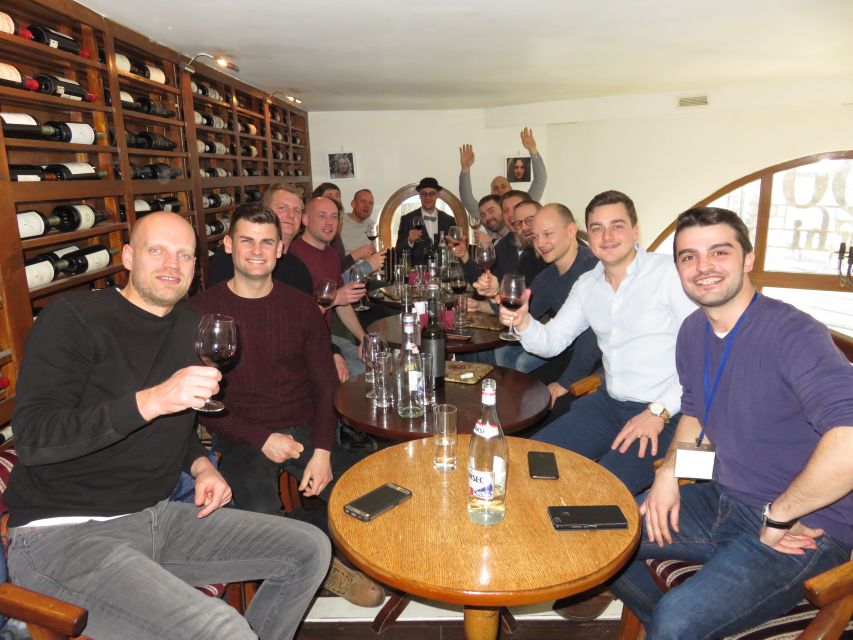
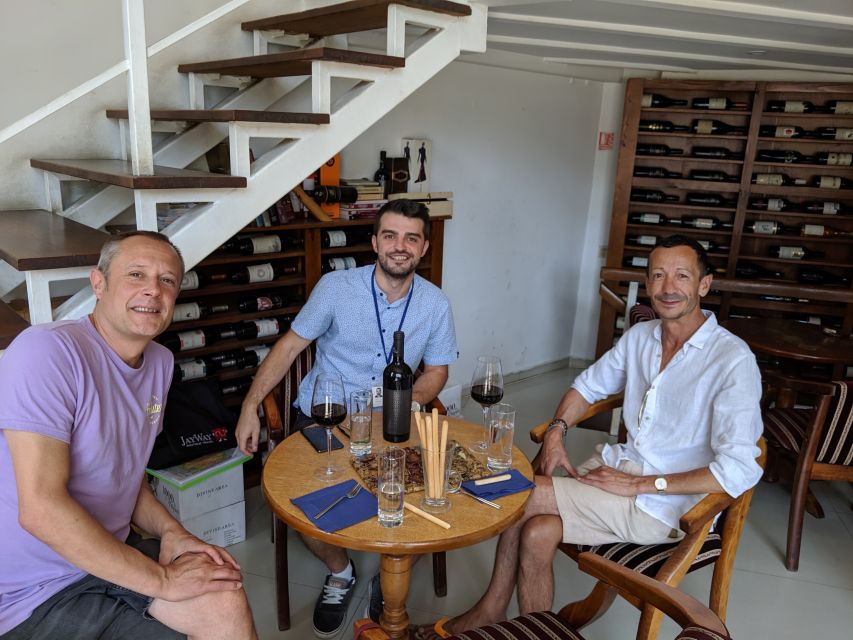
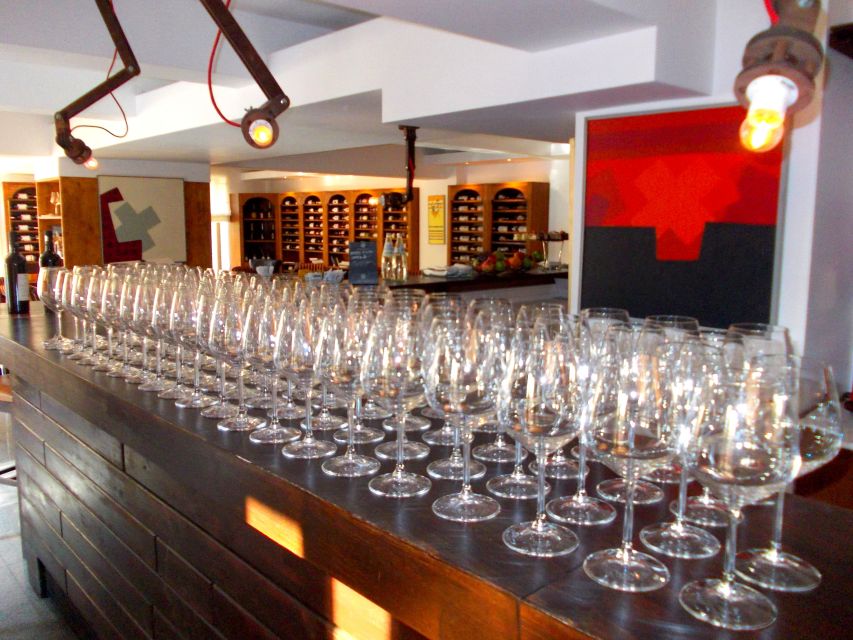
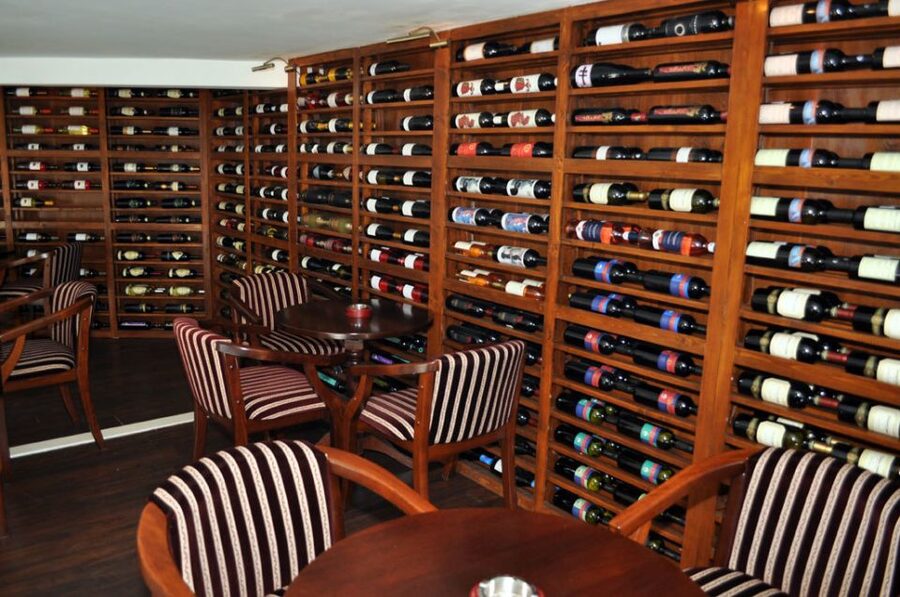
After the architecture and crafts, you walk about five minutes to a local wine bar. The tasting lasts around 1.5 hours and includes three glasses of Romanian wine, water, and a small plate of local cheese and charcuterie.
This is more than a standard drink stop. Romania has centuries of wine-making tradition and is identified here as the world’s 12th-largest wine producer. The guide explains the industry’s revival in recent decades, a useful piece of context for a country whose wine culture is still less familiar to many international visitors.
You can expect discussion of regions such as Dealu Mare, known for its wine-growing conditions, along with Romanian grape varieties that are not always easy to find outside the country. Feteasca Neagra is a key red variety. Negru de Dragasani is another local grape to watch for. Tamaioasa Romaneasca offers a different style and helps show the range of Romanian wine.
The three-wine format is well judged for a 4.5-hour tour. Three glasses give you enough comparison without making the tasting feel like a long formal course. The cheese and charcuterie also matter. They give you something to eat, soften the alcohol, and help you think about how the wines work with local flavors.
I like the way this final stop brings the tour back to geography. The houses at the museum were shaped by local materials and weather. Wine is also shaped by place, from soil and climate to grape varieties and farming traditions. You do not need to be a wine expert to follow the discussion. The guide’s job is to explain what makes Romanian wines different and help you identify the styles you prefer.
The included tasting covers three wine glasses, water, and the local platter. Additional food and drinks cost extra. You can also stay at the wine bar after the formal tour ends, which is useful if you want a slower finish. If you are ready to move on, the guide can help with directions toward Old Town or your accommodation.
What the private format adds
The price is $153 per person, which is not a bargain-basement city outing. The value depends on how much you want from the private setup.
You are paying for hotel pickup, private transport by car, van, or taxi, museum admission, a guided museum visit, a licensed guide, and the tasting. You also avoid arranging separate transport between the park, craft shop, wine bar, and city center.
For one or two people, the cost may feel high compared with visiting the Village Museum independently. The difference is the interpretation and the structure. You do not have to research the regional buildings, find a wine bar, or work out how Romanian wine varieties fit into the wider culture.
The private format is particularly useful if you want to ask questions. You can focus on architecture, crafts, wine, or Romanian history according to your interests. The guide can also adjust the pace. Mihai, one guide associated with the experience, was specifically noted for arriving on time and adapting the tour during very hot weather.
The flexibility extends to the finish. You can be left near the Romanian Athenaeum, walk toward the Old Town, or request directions back to your accommodation. That is a small detail, but it makes the tour easier to fit into a full day of sightseeing.
Who will get the most from this Bucharest tour
I would recommend this outing to a first-time visitor who wants a compact introduction to Romania beyond the capital’s central streets. It suits people who enjoy architecture, food, local crafts, and guided explanation in equal measure.
It is also a good choice if you have only a few days in Bucharest. The Village Museum alone could take longer to study, but the 1.5-hour guided visit gives you a solid sample before you continue to the craft shop and wine bar.
Wine lovers should pay attention to the grape varieties. This is a chance to try Feteasca Neagra or Negru de Dragasani in Romania, where the guide can connect the glass to the country’s wine regions.
The tour is less suitable if you want a full museum day, a serious winery visit outside the city, or a long shopping session. The wine is tasted at a local bar, not at a vineyard, and the Athenaeum stop is brief. Families with children under three cannot join, and wheelchair users should choose another experience because of the walking and access limitations.
Book with the weather in mind. The museum portion is outdoors, so comfortable shoes and clothing suited to the forecast will make a real difference. The tour can run in English or Romanian, and free cancellation is available up to 24 hours before departure. You can reserve now and pay later, which helps if your Bucharest schedule is still changing.
Should you book it?
Book this tour if you want one well-organized half-day that connects rural architecture, Romanian crafts, and local wine. The strongest feature is the progression from the Village Museum to the handmade objects and then to the tasting. Each stop explains the next one.
At $153 per person, it makes the most sense for visitors who value private transport and a guide who can tailor the pace. It is less compelling for budget travelers who are happy to visit the museum alone and arrange their own drinks.
For most first-time visitors with room in the schedule, I would choose it. You get a side of Romania that central Bucharest cannot show you, and you finish close to Old Town with the rest of the day still in your hands.
FAQ
How long does the Bucharest Village Museum and wine tour last?
The experience lasts 4.5 hours, including the museum visit, craft shop, walking transfer, wine tasting, and transportation.
Where does the tour begin?
Pickup is included from your accommodation in Bucharest. The guide waits in the hotel lobby next to reception. If there is no lobby, the guide waits downstairs at the entrance in front of the building.
Where does the tour finish?
The tour finishes at the Romanian Athenaeum. From there, you can walk toward the Old Town or ask the guide for directions back to your accommodation.
How many wines are included?
The tasting includes three glasses of Romanian wine, one glass of water, and a local cheese and charcuterie platter. Additional food and drinks are not included.
Which languages are available?
The live guide is available in English or Romanian.
Is this a private tour?
Yes. The experience is arranged for a private group and includes private transport by car, van, or taxi.
Can children or wheelchair users join?
Children under three are not permitted, and the experience is not suitable for wheelchair users.
More food tours in Bucharest
- Taste Bucharest: A Food Lover’s Tour of Markets & Neighbourhoods
★ 5.0 · 689 reviews - Street Food’n’Culture Tour
★ 5.0 · 209 reviews - Discover Bucharest: Private Highlights and Traditional Food Tour
★ 5.0 · 86 reviews - Bucharest Beer and Culture Tour with a Local
★ 5.0 · 47 reviews
Newest Bucharest trips we have written up
- Bucharest: Dealu Mare Winery Private Trip with Wine Tasting★ 4.9 · 6 reviews
- Winery touring & private wine tasting – one day private tour★ 5.0 · 3 reviews
- Your rendez-vous with Europe’s past: time-travel to Maramures, Transylvania★ 5.0 · 6 reviews
- Village Museum Bucharest Guided Tour★ 5.0 · 6 reviews
- Private Wine Tasting at Bucharest’s First Wine Bar★ 5.0 · 3 reviews
- Walking Tour of Bucharest City Center – Private Tour★ 5.0 · 4 reviews
- Wine tasting in Bucharest Old town – bonus cheese platter★ 4.5 · 6 reviews
- Walking tour of Bucharest★ 5.0 · 3 reviews
Romanian Wine Tastings near Bucharest, compared.
Private Tour to Salt Mine, Lunch at Winery and Dracula Grave
Read our review →
Salt Mine , Lunch at Winery & Dracula Grave – Private Tour
Read our review →
Salt Mine, the Muddy Volcanoes and Wine Tasting Private Day Tour from Bucharest!
Read our review →

Browse the lists this tour appears in