
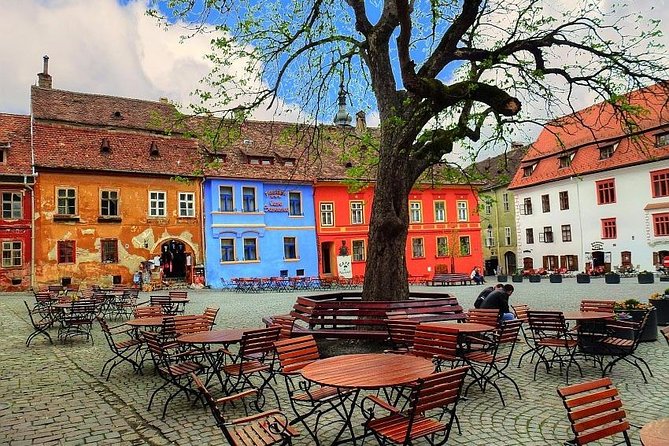
Reviewed · BRASOV AND TRANSYLVANIA DAY TRIPS FROM BUCHAREST
4 Days – Transylvania Private Tour
Transylvania gives you far more than Dracula. This four-day private journey links Peles Castle, Bran Castle, Brasov, Sighisoara, Sibiu, and the Transfagarasan Highway, with Saxon villages and fortified churches along the way. You get mountains, medieval streets, and a strong sense of Romania beyond Bucharest.
I like the freedom of choosing your own hotels and meals, and I like having a private, air-conditioned vehicle for long mountain drives. The guide adds useful context, with Alin specifically praised for explaining the region’s history and culture. The catch is cost: at $930.85 per person, accommodation, most meals, and several entrance fees are still extra.
Key points to know before booking
- Peles Castle and Bran Castle arrive on the same first day, so expect a full sightseeing schedule.
- The Transfagarasan Highway is seasonal, normally open only from July through October because of snow and avalanche risk.
- Sighisoara, Viscri, and Biertan show Transylvania’s Saxon past, not just its Dracula folklore.
- Your group has the vehicle and guide to itself, which makes stops and meal timing more flexible than on a coach tour.
- Hotels and lunches are not included, so the final cost depends on your choices.
- Some major admissions cost extra, including Peles Castle, Bran Castle, and Brasov’s Black Church.
Why this private route works well
The appeal here is the range. In four days, you move from royal architecture in Sinaia to the Dracula story at Bran, then into medieval citadels, fortified villages, and high mountain roads. That makes the route a useful introduction to southern Transylvania if you do not want to arrange several separate day trips from Bucharest.
The private format matters. You are not sharing the vehicle with a large group, and only your party takes part in the activity. You can choose your hotels and meals, while the English-speaking guide handles the driving and sightseeing flow. That is a good setup for families, couples, or friends who want more control over the pace.
Still, this is not an inexpensive package holiday. The price is $930.85 per person, and you must add accommodation, lunches, dinners, and entrance fees. Its value depends on how much you care about having a private vehicle, a dedicated guide, and a route built around your interests.
The route is also busy. Several stops have short listed times, so you will see a great deal, but you should not expect long, unhurried visits everywhere. If you prefer to spend a full day in one town, this itinerary may feel too packed.
More Brasov and Transylvania day trips from Bucharest:
- Bucharest: Dracula’s Castle, Peles Castle, & Brasov Old Town
★ 4.5 · 17,858 reviews - Bucharest: Dracula Castle, Peles Castle & Brasov Old Town
★ 4.6 · 10,891 reviews - Bucharest: Dracula’s Castle, Peleș Castle & Brașov Day Trip
★ 4.5 · 5,919 reviews
Day 1: Peles Castle, Bran Castle, and Brasov
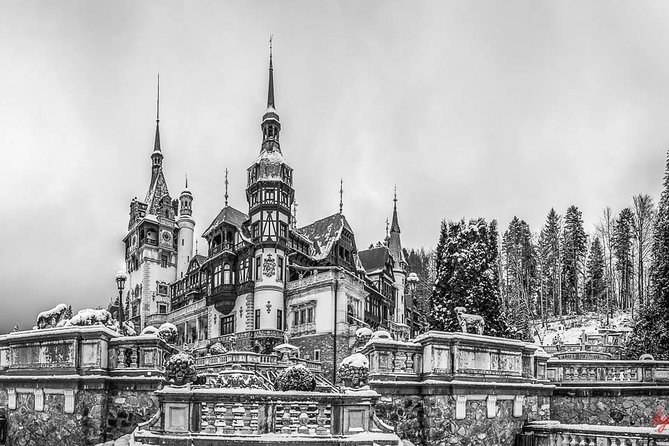
The first day brings three of the best-known places in the region. It begins in Sinaia at Peles Castle, a late 19th-century royal residence set against the Carpathian Mountains. The building is associated with German Renaissance design and is often regarded as one of Europe’s most beautiful castles.
You have about two hours here, which should give you time to appreciate both the setting and the architecture. The main practical point is that admission is not included. Check the day’s schedule with your guide before arrival, since interior access and visit timing can affect how much time remains for Bran and Brasov.
Peles is a strong opening stop because it breaks the Dracula stereotype. You see a refined royal residence rather than a fortress of dark legend. The contrast helps you understand that Romania’s past includes court life, architecture, and European royal connections as well as medieval battles and folklore.
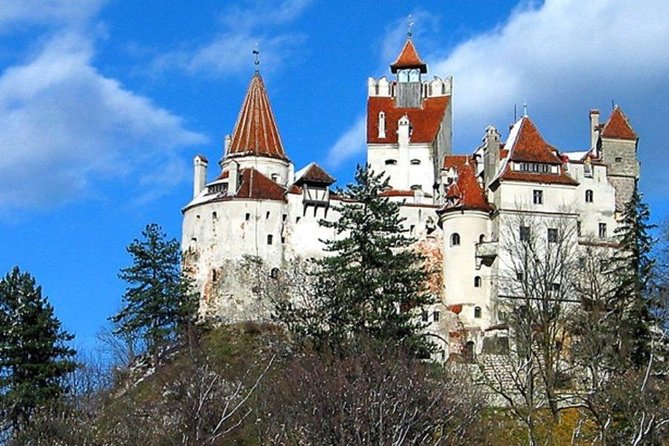
Next comes Bran Castle, the stop most closely tied to the Dracula story. The medieval castle dates from the 14th century and sits high on a roughly 200-foot rock. Its connection with Dracula is part history, part tourism, and part legend, so it is best approached with curiosity rather than expecting a literal vampire museum.
Plan on about two hours, with admission extra. Bran is likely to be one of the most popular stops on the route, and its appeal comes from the combination of a dramatic setting, medieval construction, and the story attached to it. You will want comfortable shoes for the castle setting and enough time to take in the views as well as the rooms.
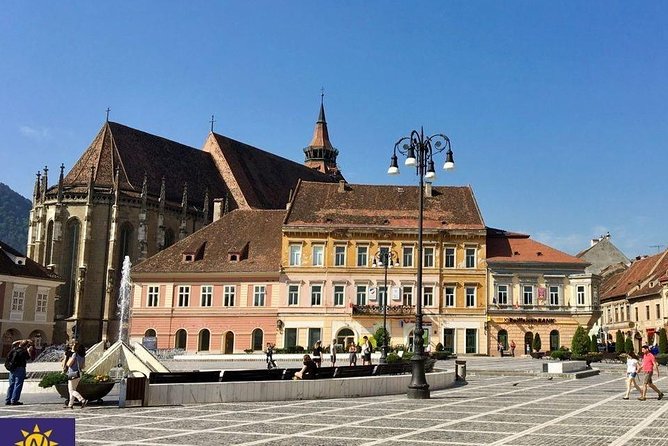
The day ends in Brasov, one of Transylvania’s most attractive historic cities. You have about an hour and a half to see the central square, the Black Church, Catherine’s Gate, the White Tower, the Black Tower, and the old citadel area. Mount Tampa forms a striking backdrop.
The Black Church has a separate entrance fee, while the historic center itself is listed as free. The short visit gives you an overview rather than a full city tour, so listen closely as your guide points out the main landmarks. Brasov combines Gothic, Baroque, and Renaissance buildings with the feel of a mountain city, and it is one of the places where a private guide can help you make sense of what you are seeing quickly.
Day 2: Sighisoara’s medieval citadel and Viscri
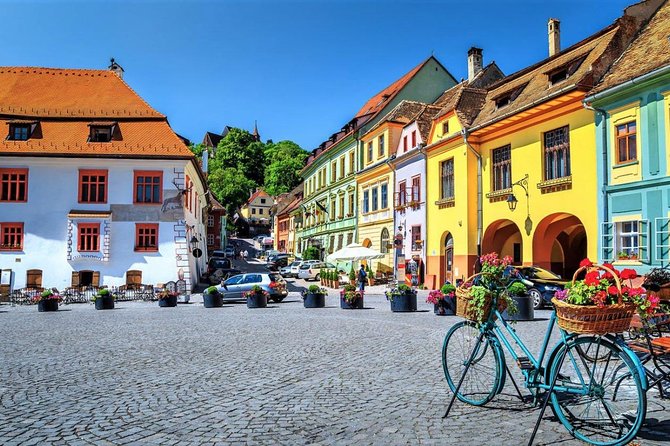
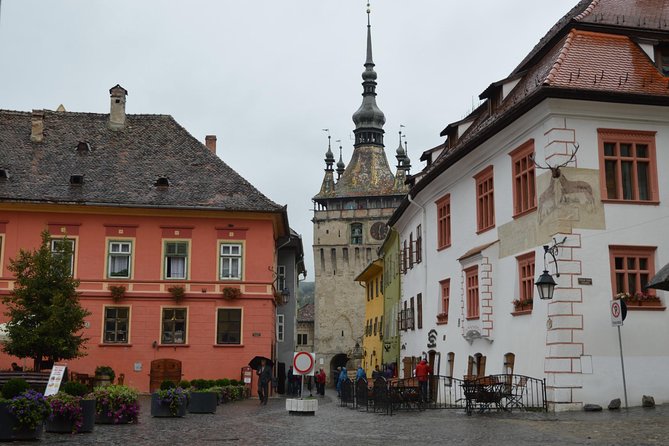
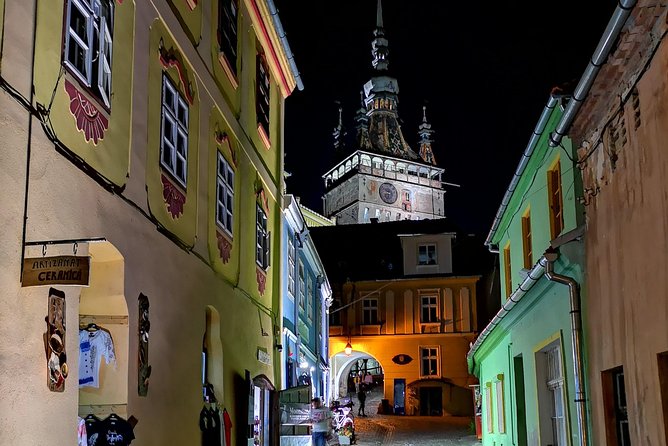
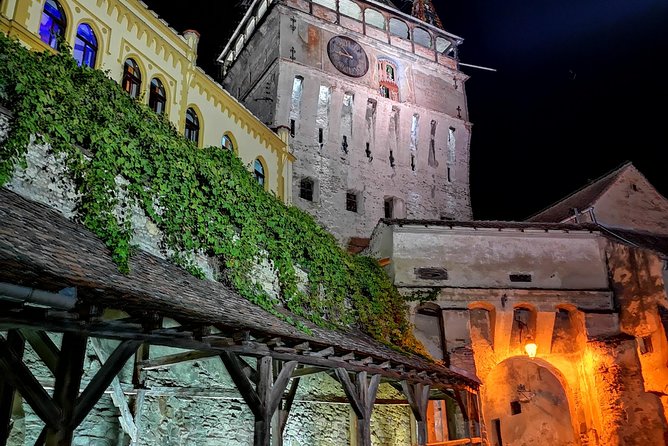
Sighisoara is the heart of the second day. Its inhabited medieval citadel is protected as a UNESCO site, and the old streets still run between preserved houses, defensive walls, and towers. The hour set aside for the historic center is short, but the compact layout makes a focused visit possible.
The Clock Tower is the town’s key landmark. Built in the 14th century and expanded about two centuries later, it offers a broad view from the top. Admission is extra, and you have about 30 minutes allocated here. If you want the view, ask your guide about the best way to fit the tower into the schedule.
The Covered Stairway adds a more physical part to the visit. Its 175 wooden and stone steps once helped children reach the Hill School. After climbing it, you reach the Church on the Hill, one of Sighisoara’s important sights and the third-largest church in Transylvania. The church also has an extra admission fee.
These short stops work well for someone who wants to see the town’s main symbols without spending the whole day there. They may feel rushed if you want a slow look at the church or a long wander through the lanes. Sighisoara rewards attention, so use the walking time to notice the old walls, narrow streets, and fortified layout.
The day continues to Viscri, a Saxon village known for its fortified church. The church began as a small Romanesque chapel and was later enlarged, fortified, and supported by heavy buttresses. A museum forms part of the citadel, giving you another way to understand village life and local defense.
Viscri is important because it shifts your attention away from famous castles. You see how communities protected themselves and preserved their religious buildings over centuries. The scheduled visit is about an hour, and admission is listed as free.
The route’s village stops are among its most valuable features. They give you a better sense of Transylvania’s German-settled communities than a quick castle visit can. You should also expect uneven walking surfaces and a quieter setting than the major towns, although the supplied details do not specify accessibility conditions.
Day 3: Biertan and the guild wealth of Sibiu
Biertan brings another fortified church, this one among the strongest examples in Transylvania. Its story reaches back to the late 15th century, when German colonists built defensive structures around places of worship. Many original elements remain, including much of the fortification system.
You have about an hour at Biertan. The stop pairs naturally with Viscri, but the two villages are not identical. Seeing both lets you compare different forms of Saxon church fortification and understand why these buildings mattered to local communities.
Sibiu follows with about two hours in the old town. Known as Hermannstadt in German, it was the largest and wealthiest of the seven walled citadels founded by German settlers in the 12th century. Guild money paid for both impressive civic buildings and the defenses around them.
The old town still carries that Germanic character. Medieval walls border parts of the historic center, and narrow streets pass between steep-roofed buildings dating in part from the 17th century. You can expect a more urban visit here than at Viscri or Biertan, with enough time to get your bearings and see the main historic areas.
I like the way this day explains the region through architecture. Instead of presenting Transylvania as a string of isolated sights, the route shows how trade, settlement, religion, and defense shaped its towns. Your guide is particularly useful here, since the buildings make more sense when you understand the Saxon communities that built them.
Two hours is enough for a solid introduction, not a full exploration of Sibiu. If the city interests you most, you may want to return independently or arrange extra time through your hotel plan. Because accommodation is not included, you have some control over whether to spend more time in Sibiu, Brasov, or elsewhere.
More multi-day Romania trips starting in Bucharest:
- 2-Day Medieval Transylvania with Brasov,Sibiu and Sighisoara Tour from Bucharest
★ 4.5 · 145 reviews - 2-Day Transylvania from Bucharest: Brasov, Bran, Sighisoara
★ 5.0 · 60 reviews - 4-Day Private Tour in Transylvania from Bucharest
★ 5.0 · 48 reviews - 3-Day Medieval Transylvania Package Tour
★ 4.7 · 31 reviews
Day 4: The Transfagarasan Highway
The final day is built around the Transfagarasan Highway, Romania’s famous high mountain road. It crosses the Fagaras Mountains and links Transylvania with Wallachia. The route reaches about 2,042 meters near Lake Balea and includes sharp switchbacks, 27 viaducts and bridges, and an 887-meter tunnel through Paltinului Mountain.
You have about three hours on the road. This is not simply transport between attractions. The road itself is the main event, with mountain views and engineering details that make the drive memorable. Average speeds can reach only about 40 kilometers per hour because of the bends and high terrain, so the distance takes time.
The road is normally open only from July through October. Heavy snow and avalanche risk close it for much of the year, making the travel date one of the most important things to check before booking. If your visit falls outside the open season, the advertised experience may not be possible as described.
The Transfagarasan is a fitting finish because it changes the mood of the trip. Earlier days focus on castles, churches, and old towns. Here, you spend time in the Carpathian mountains, following a road built between 1970 and 1974 across difficult terrain.
What the $930.85 price really covers
At $930.85 per person, this tour makes the most sense when you place a high value on privacy and convenience. You receive hotel pickup and drop-off, private modern air-conditioned transport, and an English-speaking professional guide. You also avoid piecing together separate transfers between Bucharest, the mountain towns, villages, and the highway.
But the headline price is not your complete trip budget. Accommodation is excluded, as are lunch and dinner. Peles Castle, Bran Castle, and the Black Church also require separate admission payments.
That setup has one clear advantage: you choose your hotels and meals. You can match the trip to your budget or preferred style rather than accepting a fixed package. The tradeoff is that you must plan those parts yourself and add them to the quoted cost.
The private vehicle is especially valuable on this route. The Transfagarasan, Viscri, Biertan, and the smaller historic centers are easier to combine with private transport than with ordinary public connections. A dedicated guide also gives you someone to explain the Saxon villages, royal castles, and medieval defenses as you go.
The strongest praise attached to this experience focuses on organization, cultural explanation, and the sense of seeing an authentic side of Romania. One named guide, Alin, is singled out for explaining the area well. That is useful evidence of what to look for: a guide who connects the sights instead of simply pointing them out.
Who should book this Transylvania tour?
I would choose this trip if you are starting in Bucharest and want a broad first look at Transylvania without driving yourself. It suits couples, families, and small private groups that want control over hotels and meals.
It is also a good fit if you want more than Dracula. The route gives serious time to Sighisoara, Viscri, Biertan, and Sibiu, where the region’s Saxon and medieval character comes through clearly.
I would hesitate if your budget is tight, if you dislike changing focus each day, or if you want every cost included upfront. I would also check the Transfagarasan opening season before paying, since the mountain road is generally available only from July through October.
The activity offers free cancellation up to 24 hours before the start time. Within 24 hours, refunds are not provided and changes are not accepted. Pickup is offered, confirmation arrives at booking, and most people can participate.
FAQ
How long is the Transylvania private tour?
The tour lasts approximately four days and follows four itinerary days, beginning with Peles Castle, Bran Castle, and Brasov and ending with the Transfagarasan Highway.
Where does the tour begin and end?
The experience is based in Bucharest and includes hotel pickup and drop-off.
Is the tour private?
Yes. Only your group participates, and transport is provided in a private modern air-conditioned vehicle.
Is an English-speaking guide included?
Yes. A professional English-speaking guide is included. Alin is one guide associated with this tour.
Are hotels included?
No. Accommodation is not included. You choose and pay for your own hotels.
Are meals included?
No. Lunch and dinner are not included, so you choose and pay for those meals along the way.
Which entrance fees are extra?
Admission to Peles Castle, Bran Castle, and the Black Church is not included. Other listed stops show free admission, although the Clock Tower and Church on the Hill also list admission as not included.
When is the Transfagarasan Highway open?
The highway is generally open from July through October because heavy snow and avalanche risk affect access at other times.
Can I cancel for a full refund?
Yes, if you cancel at least 24 hours before the experience start time. Cancellations or changes made less than 24 hours before the start time are not accepted for a refund.
Newest Bucharest trips we have written up
- Bucharest: Dealu Mare Winery Private Trip with Wine Tasting★ 4.9 · 6 reviews
- Winery touring & private wine tasting – one day private tour★ 5.0 · 3 reviews
- Traditions in Bucharest: Village Museum and Wine Tasting★ 5.0 · 8 reviews
- Your rendez-vous with Europe’s past: time-travel to Maramures, Transylvania★ 5.0 · 6 reviews
- Village Museum Bucharest Guided Tour★ 5.0 · 6 reviews
- Private Wine Tasting at Bucharest’s First Wine Bar★ 5.0 · 3 reviews
- Walking Tour of Bucharest City Center – Private Tour★ 5.0 · 4 reviews
- Wine tasting in Bucharest Old town – bonus cheese platter★ 4.5 · 6 reviews
Brasov and Transylvania Day Trips from Bucharest, compared.
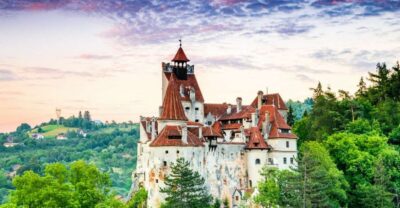
Dracula’s Castle, Peles Castle, & Brasov Old Town
Read our review →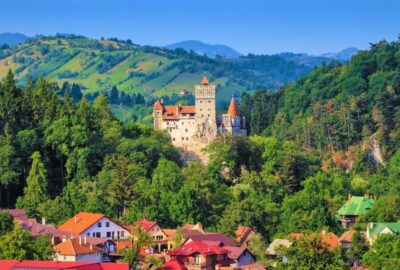
Dracula Castle, Peles Castle & Brasov Old Town
Read our review →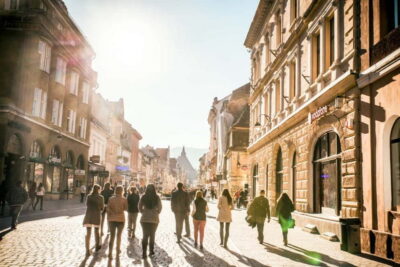
Dracula’s Castle, Peleș Castle & Brașov Day Trip
Read our review →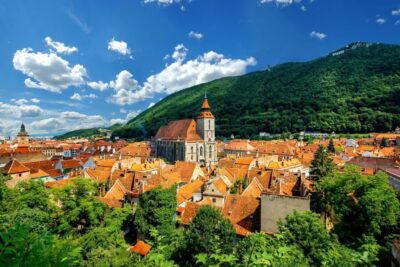
Day Trip to Dracula Castle, Peles Castle & Brașov
Read our review →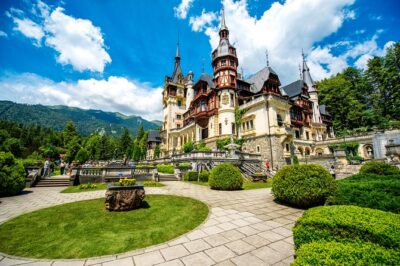
Bucharest to Dracula Castle, Peles Castle and Brasov Guided Tour
Read our review →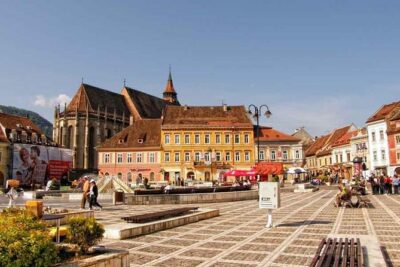
Dracula’s Castle, Peles Castle and Brasov Day Trip from Bucharest
Read our review →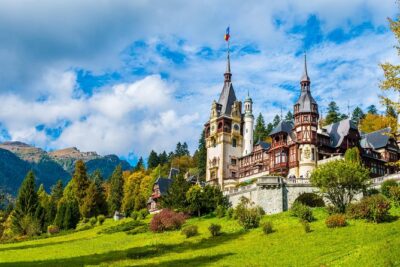
Transylvania and Dracula Castle Full Day Tour from Bucharest
Read our review →
Browse the lists this tour appears in