Reviewed · BRASOV AND TRANSYLVANIA DAY TRIPS FROM BUCHAREST
3-Day Medieval Transylvania Package Tour
The best thing about this three-day tour is its sweep. In a short burst, you move from Wallachian monasteries and Carpathian roads to Sibiu, Sighișoara, and Brașov, then finish with Bran Castle and Peleș Castle. It gives you a strong first look at Romania’s medieval heartland without having to arrange several hotels and long-distance transfers yourself.
I like the small group size, capped at 16, and the two central hotel stays with breakfast. I also like the range: Cozia and Curtea de Argeș bring serious religious art, while the Saxon towns add cobbled streets, towers, and good walking. The tradeoff is clear: three days means long hours in the vehicle, and entrance fees, lunches, and dinners come extra.
Key points to know before booking
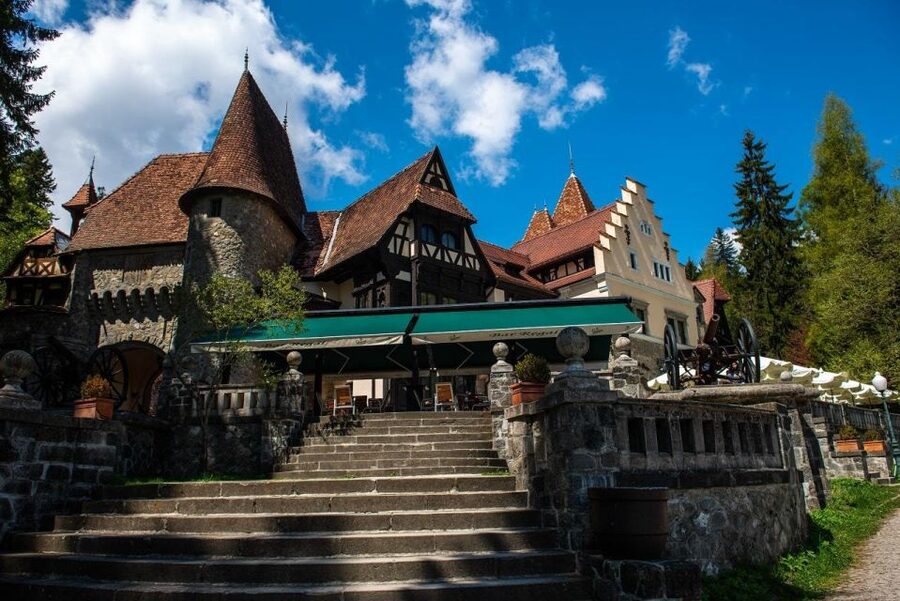
- Curtea de Argeș and Cozia begin the cultural story: These monasteries give the first day more depth than a simple castle trip.
- Sibiu and Brașov provide the best town time: Both cities reward walking, photography, and an evening meal.
- Sighișoara’s Clock Tower is a highlight: You get views over a living medieval citadel, though the tower closes on Mondays.
- Bran and Peleș draw the crowds: They are important stops, but queues can eat into your day.
- Sunday departures may reverse the route: Peleș Castle is closed Mondays and Tuesdays, so check the departure date carefully.
- Budget for extras: The $588 price includes transport, guide service, parking, fuel, breakfast, and two hotel nights, but not admission tickets or most meals.
A fast route through Romania’s medieval core
This is not a slow village holiday. It is a compact road trip with a heavy schedule and a lot of variety. You leave Bucharest, cross into the old regions of Wallachia and Transylvania, sleep in Sibiu and Brașov, and return to Bucharest after Sinaia.
The vehicle is a car or minibus, and the group is limited to 16 people. That matters on narrow town streets and at busy sights. You are not being moved around in a giant coach, but you still need to be comfortable sitting for long stretches.
The driver-guide is English-speaking, with other languages available on request. Matthew, also spelled Mathew in the tour information, is one named guide associated with the experience. The strongest feedback points to safe driving, humor, useful historical detail, and a calm sense of care. One less favorable account describes a guide who drove too quickly and offered little commentary between stops, so your experience may depend noticeably on who leads your departure.
More Medieval Fortress and Citadel Tours in Romania
- Peles Castle, Dracula’s Castle and Medieval Town of Brasov in one day
★ 4.5 · 241 reviews - Bucharest: Bran & Peles Castle with Rasnov Citadel Day Trip
★ 4.5 · 158 reviews - 2-Day Medieval Transylvania with Brasov,Sibiu and Sighisoara Tour from Bucharest
★ 4.5 · 145 reviews
Day one: Curtea de Argeș, Cozia, and Sibiu
The first stop is Curtea de Argeș, known here for its Moorish-style monastery, built in 1514 under Wallachian ruler Prince Neagoe Basarab. The architecture gives you an early reminder that Romanian history does not fit neatly into one Western European medieval pattern. Orthodox religious buildings, local princely power, and outside artistic influences meet in one place.
The tour then continues to Cozia Monastery. It is described as one of Romania’s most important monuments of medieval art, so this is not just a quick photo stop. If you enjoy painted churches, religious architecture, and the quieter side of Romanian history, Cozia may be more rewarding than the more famous castles later in the trip.
Lunch is not included, and the schedule calls for a meal at a traditional Romanian restaurant. You should plan to pay separately and keep the pace in mind. This is a full day on the road, not a leisurely morning with endless time at each monument.
The drive toward Sibiu is one of the pleasures of the first day. You pass through mountain scenery and reach the former capital of the Principality of Transylvania. Sibiu began appearing in written records in 1191 and retains the feel of a former German medieval citadel, with historic buildings gathered around a walkable Old Town.
Your walking tour gives you a useful first orientation. Sibiu is the kind of place where the pleasure comes from moving slowly between squares, façades, churches, and smaller streets. The tour does not treat it as a drive-by stop, which is important. You spend the night in the town center, giving you a chance to eat a traditional Romanian dinner and see Sibiu after the day’s driving is done.
Breakfast is included on the two hotel mornings. The hotels are rated three-star, and the available feedback describes them as comfortable, well located, and smaller in scale, with good breakfasts. Do not expect luxury resort service. Think practical rooms, a central base, and less hotel planning for you.
Day two: Biertan and Sighișoara’s fortified heart
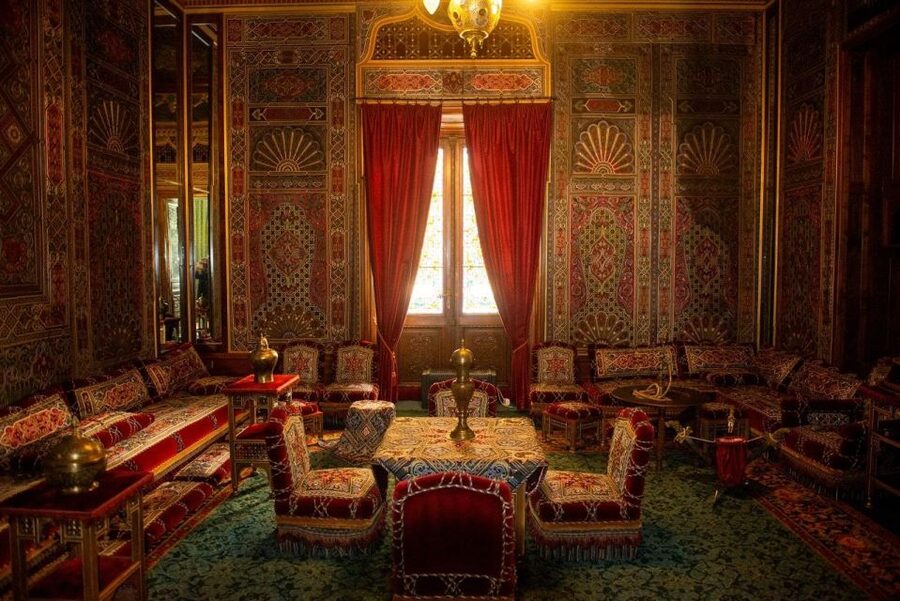
After breakfast, the route heads to Biertan, one of Transylvania’s key Saxon villages. Its fortified church was built between 1490 and 1524 and is described as the largest fortified church in Transylvania.
This stop helps explain why the region looks and feels different from central Romania. Saxon communities shaped many towns and villages in Transylvania, and their fortified churches were both religious centers and places of refuge. The walls and defensive features make the church feel like a small stronghold rather than an isolated country chapel.
Biertan is also a place where time matters. A short stop gives you the main impression, but the setting deserves more than a hurried restroom break. One account of a reverse-route departure described only about 25 minutes there, so ask your guide how long you will have at each stop if the schedule seems tight.
Sighișoara is the day’s big medieval town. Its citadel dates to 1280 and is still populated, a detail that changes the experience. This is not a preserved museum set with no daily life. People live and work among the old houses, towers, and steep streets.
The Clock Tower is the landmark to prioritize. The climb gives you broad views across the old town and the surrounding countryside. The tower closes on Mondays, so a Monday visit may mean seeing it from below rather than enjoying the panorama. Wear comfortable shoes, as requested by the operator. Cobblestones, steps, and several days of walking make light footwear a poor choice.
Sighișoara is closely tied to the Dracula story through its association with Vlad the Impaler, the historical figure who helped inspire Bram Stoker’s Count Dracula. The tour uses that legend as a thread, but the real value is the citadel itself: defensive walls, medieval towers, and a town that still functions as a town.
Lunch again comes at your own cost. You should keep some Romanian currency or a payment method ready for meals, admissions, and small purchases. The price of the tour does not include entrance tickets, so your total cost will be higher than $588.
Brașov after the mountains
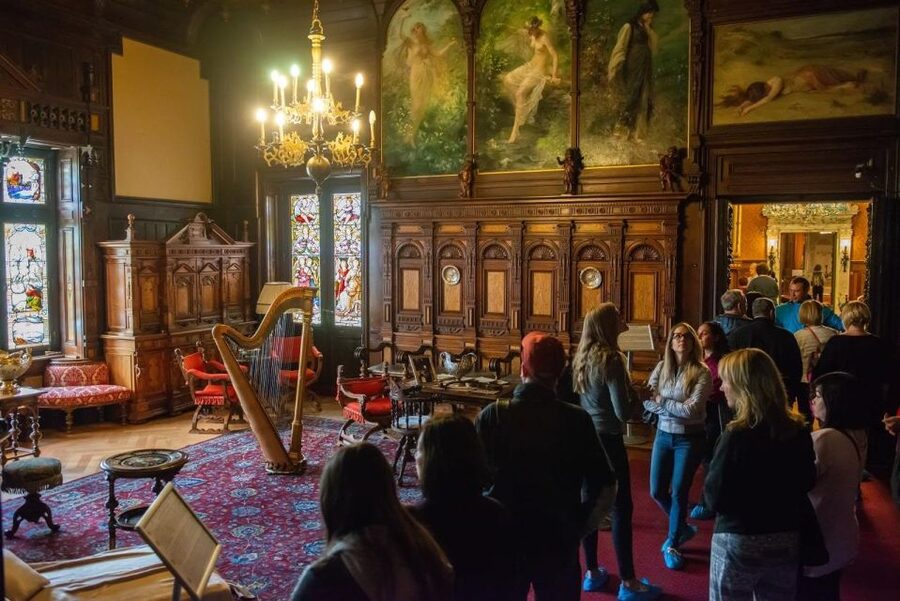
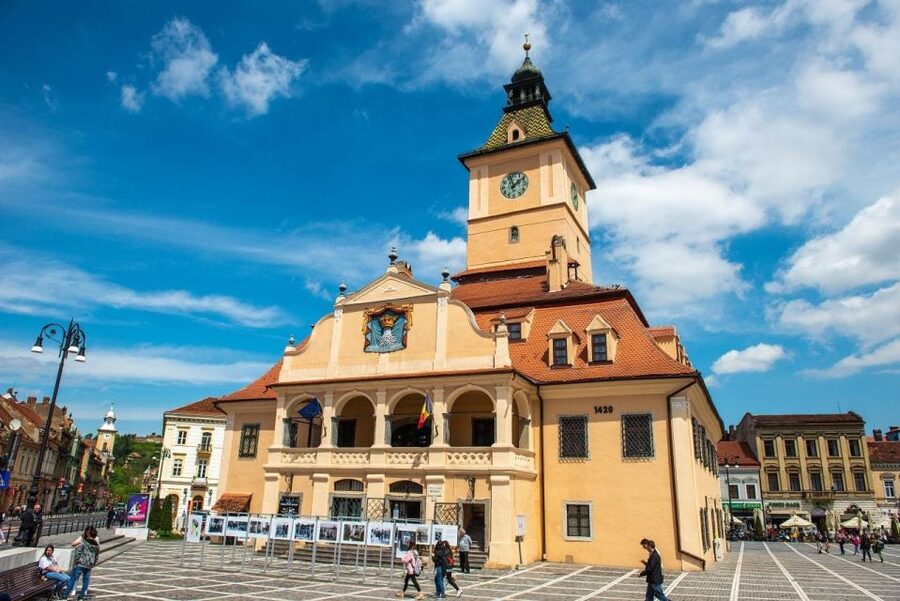
After lunch, you continue to Brașov, framed by the Southern Carpathians. The medieval citadel has documented roots reaching back to 1235, and the city combines Gothic religious buildings with later urban streets and public squares.
The walking tour includes the narrowest street in Romania, a fun detail that takes only a few minutes but helps you read the city at street level. Brașov has a more active city feel than Sighișoara, yet its old center remains compact enough to explore on foot.
The city also carries layers of modern political history. It was briefly renamed Stalin City during the Communist period, and it was the birthplace of Romania’s national anthem. Those details are useful reminders that the country’s story did not stop in the Middle Ages.
You spend the second night in Brașov. The location is practical because the next morning begins with the city’s Black Church. The church, built in 1383, is the most important sightseeing stop in Brașov on this route. Its Gothic scale gives the morning a strong start, especially after two days of monasteries, village defenses, and medieval streets.
More Brasov and Transylvania day trips from Bucharest:
- Bucharest: Dracula’s Castle, Peles Castle, & Brasov Old Town
★ 4.5 · 17,858 reviews - Bucharest: Dracula Castle, Peles Castle & Brasov Old Town
★ 4.6 · 10,891 reviews - Bucharest: Dracula’s Castle, Peleș Castle & Brașov Day Trip
★ 4.5 · 5,919 reviews - Bucharest: Day Trip to Dracula Castle, Peles Castle & Brașov
★ 4.4 · 3,049 reviews
Day three: Bran Castle and the Dracula question
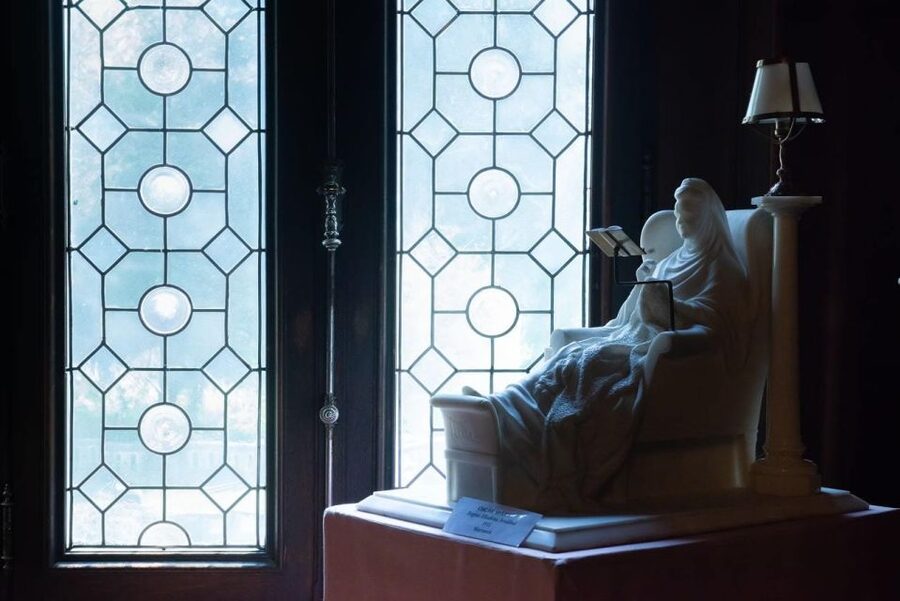
Bran Castle comes next, perched near the border between Transylvania and Wallachia. It is marketed as Dracula’s Castle because of its connection to the popular Count Dracula story, but you should arrive with sensible expectations. Bram Stoker never created a detailed travel guide to this building, and the castle’s fame rests as much on atmosphere and legend as on a direct link to the fictional character.
You will explore the grounds and museum before stopping for a traditional lunch. Admission is not included, and Bran can be busy. One direct account of the trip described long queues at both Bran and Peleș, so build patience into your expectations. The castle is worth seeing, but it may not feel like a quiet discovery.
For me, Bran works best when treated as a cultural symbol rather than the single reason to visit Transylvania. The fortress-like setting, the border location, and the Dracula association make it memorable. The surrounding crowds and commercial focus can make it less intimate than Sighișoara or Cozia.
Peleș Castle and Sinaia’s royal finish
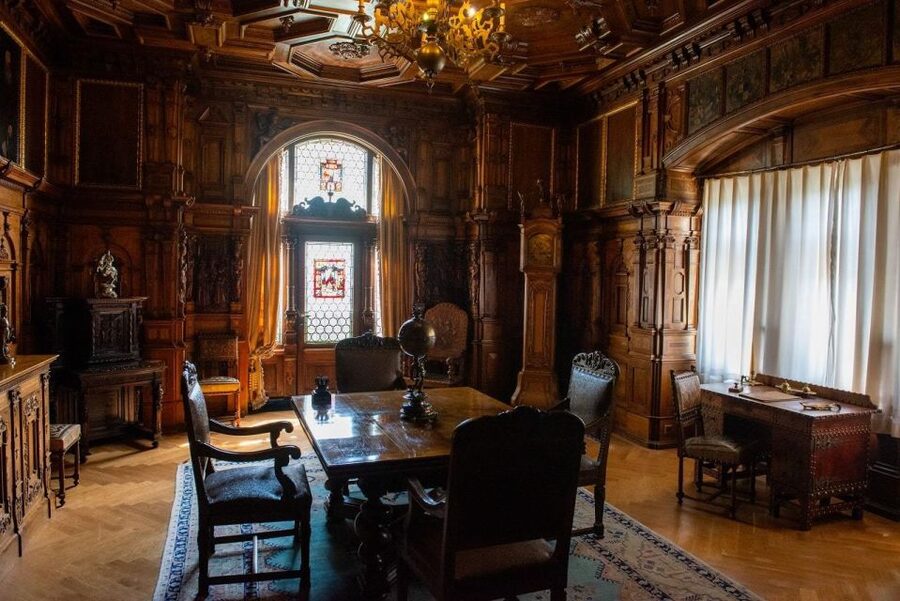
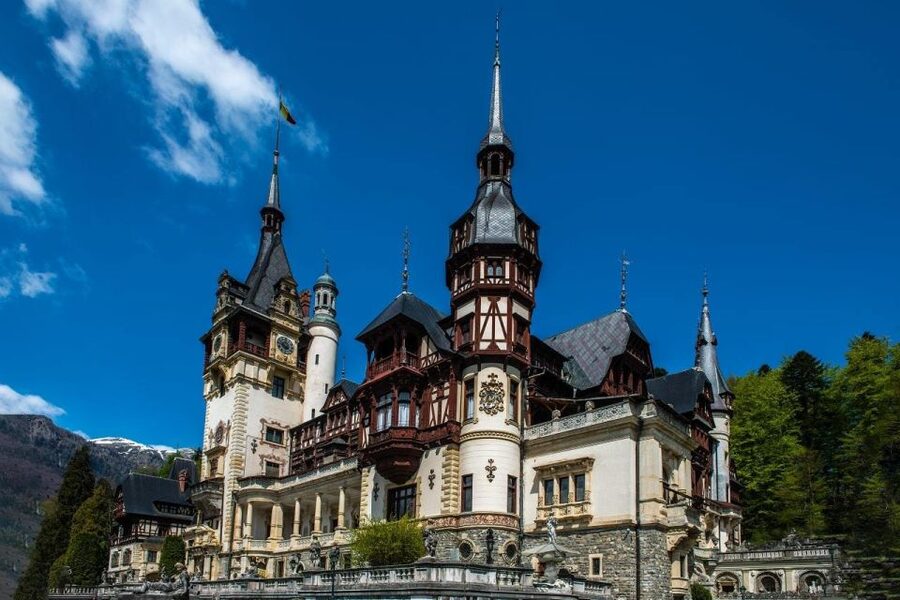
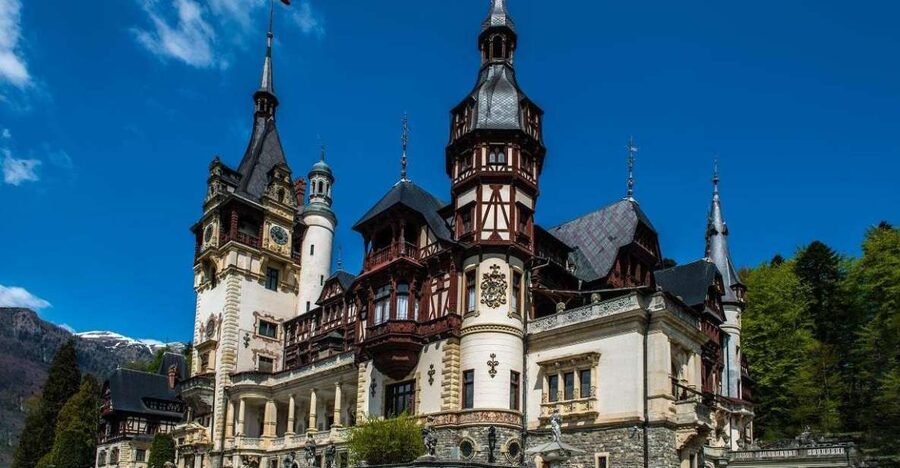
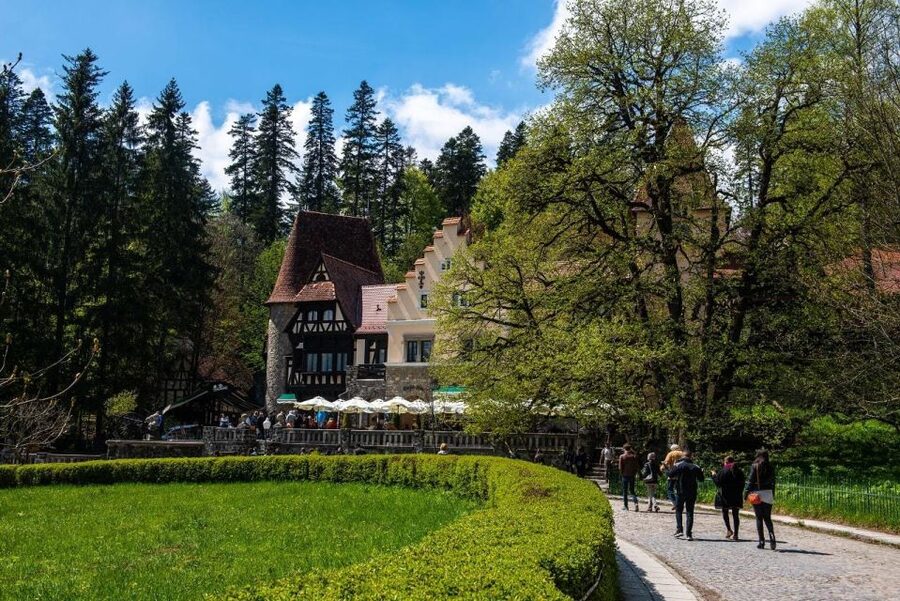
The route then reaches Sinaia, a mountain resort in the Prahova River valley. Peleș Castle was built for Romania’s first king, Carol I, between 1875 and 1914. Its Neo-Renaissance design gives you a sharp contrast with the older Orthodox monasteries and fortified churches.
Peleș is one of the tour’s strongest architectural stops. You are not simply looking at medieval stone walls. You are entering a royal residence from the late nineteenth and early twentieth centuries, a period when Romania was presenting itself as a modern European kingdom.
The castle is closed on Mondays and Tuesdays. This is the most important scheduling warning in the entire trip. Saturday and Sunday departures run in reverse order, so you should confirm how the route fits the castle’s opening days before paying. A Sunday departure may alter the sequence, and one account of a reverse route reported that Curtea de Argeș was missed without a clear explanation. Ask for confirmation if that monastery is a priority.
The final visit is Sinaia Monastery, founded in the seventeenth century by Prince Mihail Cantacuzino after a pilgrimage to Mount Sinai. You see the Old Church and the nineteenth-century Great Church, ending the religious and architectural story on a fitting note before the drive back to Bucharest.
The return can be long. One account described reaching Bucharest around 2 p.m. on the final day after about five hours of driving and limited stopping time. That may be useful if you are booking a flight or another activity for the afternoon. Do not schedule anything tight without checking the expected return time.
What the $588 price really covers
At $588 per person, the tour is not a bargain in the backpacker sense, but it can be good value for a short first trip to Transylvania. You are paying for transport from Bucharest, fuel, parking, an English-speaking driver-guide, two hotel nights, and two breakfasts.
The price saves you from arranging a complicated chain of regional transport. Curtea de Argeș, Cozia, Biertan, Sighișoara, Brașov, Bran, Sinaia, and Bucharest are much easier to connect by private road transport than by trying to fit separate buses and trains into three days.
You still need to add entrance fees, lunches, and dinners. You also need to pay an extra €60 in cash to the guide if you are traveling alone. That single supplement is easy to miss and changes the final price for solo bookers.
The value is strongest for a couple or small group that wants a ready-made route, central hotel bases, and a guide handling the driving. It is weaker for someone who wants long visits at each sight, flexible meal stops, or a cheap independent trip.
The guide makes a real difference
A good guide can turn the long drives into useful context. The positive experiences connected with Matthew or Mathew describe a funny guide, a strong driver, and someone who can explain the history behind the places you see. That combination matters because the route includes many stops that deserve more than a photograph.
Still, you should not assume every departure will feel the same. One account found the guide more like a driver and escort, with little information about places passed on the road. Another described driving that felt too fast, including passing areas where bears might appear by the roadside.
That advice is practical: if you see something worth stopping for, ask politely and early. The tour is scheduled tightly, but a guide who knows the route may be able to explain what is possible. You are on holiday, not trying to win a race back to Bucharest.
Who should take this tour?
I would choose this tour if you have three days, are staying in Bucharest, and want the major Transylvanian sights without renting a car. It suits first-time visitors who value a planned route and do not mind early starts, long drives, and a steady pace.
It is also a good fit for couples and small groups who want hotel accommodation rather than changing plans every evening. The central stays in Sibiu and Brașov give you more useful town time than sleeping beside a highway.
I would hesitate if you have mobility limitations, since the experience is not suitable for people with mobility impairments. It is also not suitable for children under seven. The mix of steps, cobblestones, queues, and long vehicle hours can be tiring even for fit adults.
Bring comfortable shoes, keep cash available for the single supplement and meals, and leave room in your budget for admissions. Pets are not allowed.
Should you book it?
Book this tour if your priority is coverage. In three days, you see monasteries, Saxon villages, fortified towns, royal architecture, Dracula-related sights, and two of Romania’s best-known cities. The route is broad, practical, and especially useful when you are starting and ending in Bucharest.
Skip it if you want a slow Transylvania trip. The best moments may come from wandering Sighișoara or sitting in Sibiu after the walking tour, and the schedule cannot guarantee much unplanned time.
Before booking, check three things: the departure day, the Peleș Castle opening schedule, and whether Curtea de Argeș is confirmed on a reverse-route departure. With those details settled, the tour offers a solid introduction to Romania’s medieval and royal sights, with enough variety to justify the packed pace.
FAQ
How long is the Medieval Transylvania Package Tour?
The tour lasts three days and includes two nights of accommodation.
Where does the tour begin and end?
Pickup is provided from hotels in Bucharest, and the tour returns to Bucharest after visiting Sinaia.
What accommodation is included?
Two nights in three-star hotels are included, with stays in Sibiu and Brașov and breakfast included.
Is transportation included?
Yes. Transportation by car or minibus, fuel, and parking costs are included.
Is a guide included?
Yes. An English-speaking driver-guide is included. Other languages may be available on request.
Are entrance fees included?
No. Entrance fees for sights such as the Clock Tower, Bran Castle, and Peleș Castle are not included.
Is lunch included?
No. Lunch and dinner are not included, so you should budget separately for meals.
Is there an extra charge for solo travelers?
Yes. Solo travelers must pay an additional €60 in cash to the guide at the beginning of the tour.
Can I visit Peleș Castle on any departure date?
No. Peleș Castle is closed on Mondays and Tuesdays. Saturday and Sunday departures may run in reverse order, so confirm the schedule before booking.
More multi-day Romania trips starting in Bucharest
- 2-Day Transylvania from Bucharest: Brasov, Bran, Sighisoara
★ 5.0 · 60 reviews - 4-Day Private Tour in Transylvania from Bucharest
★ 5.0 · 48 reviews - Transylvania Castles 4-day tour from Bucharest
★ 5.0 · 31 reviews - 2-Day Private Tour of Transylvania from Bucharest
★ 5.0 · 24 reviews
Newest Bucharest trips we have written up
- Bucharest: Dealu Mare Winery Private Trip with Wine Tasting★ 4.9 · 6 reviews
- Winery touring & private wine tasting – one day private tour★ 5.0 · 3 reviews
- Traditions in Bucharest: Village Museum and Wine Tasting★ 5.0 · 8 reviews
- Your rendez-vous with Europe’s past: time-travel to Maramures, Transylvania★ 5.0 · 6 reviews
- Village Museum Bucharest Guided Tour★ 5.0 · 6 reviews
- Private Wine Tasting at Bucharest’s First Wine Bar★ 5.0 · 3 reviews
- Walking Tour of Bucharest City Center – Private Tour★ 5.0 · 4 reviews
- Wine tasting in Bucharest Old town – bonus cheese platter★ 4.5 · 6 reviews
Brasov and Transylvania Day Trips from Bucharest, compared.
Dracula’s Castle, Peles Castle, & Brasov Old Town
Read our review →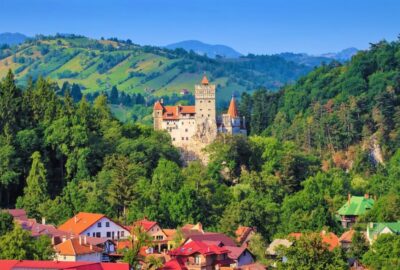
Dracula Castle, Peles Castle & Brasov Old Town
Read our review →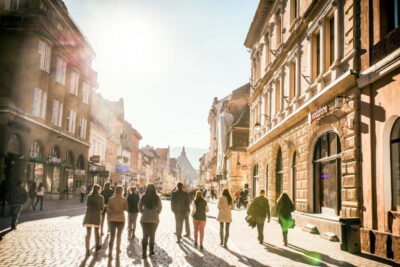
Dracula’s Castle, Peleș Castle & Brașov Day Trip
Read our review →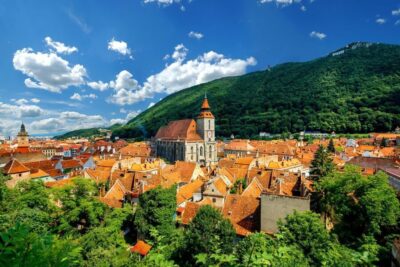
Day Trip to Dracula Castle, Peles Castle & Brașov
Read our review →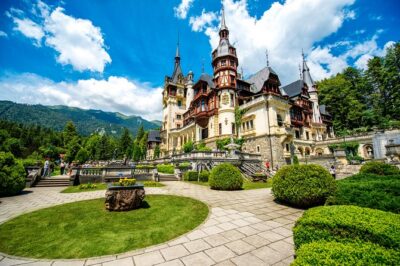
Bucharest to Dracula Castle, Peles Castle and Brasov Guided Tour
Read our review →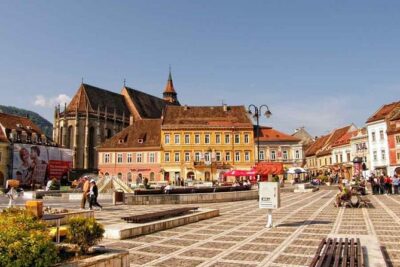
Dracula’s Castle, Peles Castle and Brasov Day Trip from Bucharest
Read our review →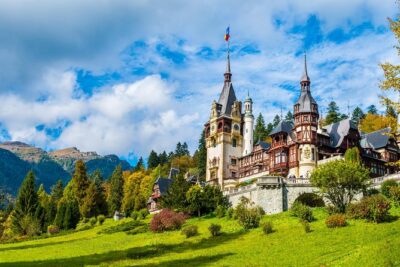
Transylvania and Dracula Castle Full Day Tour from Bucharest
Read our review →