
Reviewed · MULTI-DAY ROMANIA TOURS FROM BUCHAREST
10 Days Private Tour in Romania from Bucharest
Romania reveals its many sides on this 10-day private circuit: communist Bucharest, Dacian ruins, forested mountain roads, painted monasteries, Saxon towns, and the Dracula legend. I especially like the wide geographic reach and the chance to travel with Nicolas, your private English-speaking guide-driver. The ability to adjust the plan during the trip is another real plus.
The main consideration is the pace. You cover a great deal of ground, and several days involve long drives with short visits. At $3,472.81 per person, the price can make sense for a private trip with transport and a dedicated guide, but accommodation, meals, drinks, and entrance fees are extra.
Key points to know before booking
- Private transport throughout: You travel by private car or minibus with only your own group.
- Nicolas as guide-driver: An English-speaking licensed guide is available for the full tour.
- A true Romania sampler: The route combines Bucharest, Transylvania, Maramureș, Bukovina, Moldavia, and the Carpathians.
- Flexible daily plans: Changes can be made during the tour, giving you room to adjust the pace.
- Heavy sightseeing schedule: Expect early starts, mountain roads, and several stops in one day.
- Costs beyond the tour price: Hotels, meals, drinks, and entry fees are not included.
Bucharest begins with communism, village life, and revolution
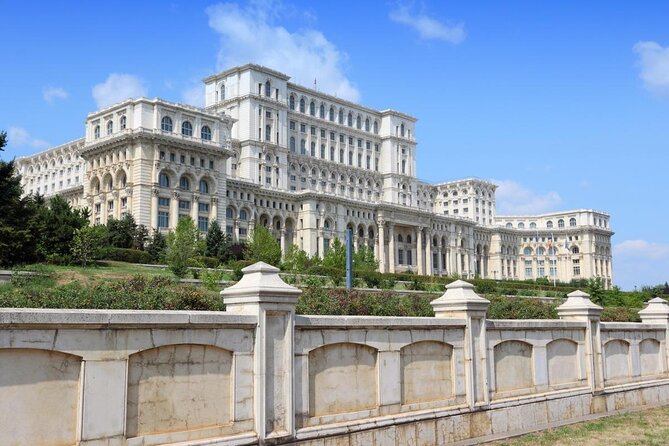
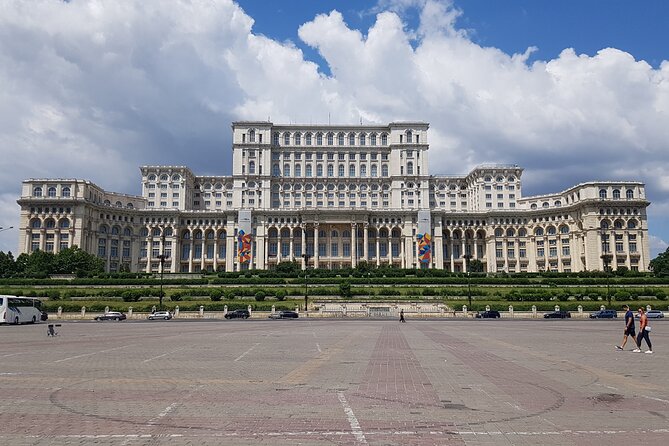
The first day gives you a useful introduction to Romania by placing its past and present side by side. At the Palace of Parliament, you confront the grand scale of Nicolae Ceaușescu’s communist project. It is the world’s second-largest administrative building after the Pentagon, and its sheer size is the point. Two hours here allow time to consider not only the architecture, but also the human cost behind such extravagant construction.
The visit is more meaningful with a guide who can explain the building as part of Romania’s communist past rather than treating it as a giant photo stop. You should expect a serious subject, even though the building’s oversized corridors and halls can feel almost surreal.
At the Dimitrie Gusti National Village Museum, the mood changes. Traditional houses, farm buildings, and village structures from different parts of Romania are gathered in one open-air setting. I like this stop because it gives you a quick sense of how rural Romanians built homes and communities around local materials, work, family, and faith. One hour is enough for an introduction, though you will not see every corner in detail.
The Romanian Athenaeum adds a touch of elegant urban culture. Its location on Calea Victoriei and its role as a national cultural symbol make it a natural Bucharest stop. Revolution Square then brings you back to December 1989, when Ceaușescu was removed from power. The former Central Committee building helps you understand where the Romanian Revolution began.
Finish the day in the Old Town, where Hanul lui Manuc recalls the commercial Bucharest of merchants and passing traders. The area combines historic buildings, restaurants, and a lively city-center atmosphere. You will have time to eat here, but the contrast between restored streets, crowded restaurants, and uneven historic fabric is part of the experience.
More multi-day Romania trips starting in Bucharest:
- 2-Day Medieval Transylvania with Brasov,Sibiu and Sighisoara Tour from Bucharest
★ 4.5 · 145 reviews - 2-Day Transylvania from Bucharest: Brasov, Bran, Sighisoara
★ 5.0 · 60 reviews - 4-Day Private Tour in Transylvania from Bucharest
★ 5.0 · 48 reviews
Curtea de Argeș and the Transfăgărășan road
Day two leaves Bucharest for the mountains. Curtea de Argeș Monastery is known for its ornate design and royal tombs, while the nearby old princely court and 13th-century Royal Church add earlier layers to the visit. The famous story of construction through sacrifice gives the monastery a dramatic edge, though your guide’s explanation will matter more than the legend alone.
Poienari Fortress is the more demanding stop. The ruins sit high above the Argeș River and are linked to Vlad the Impaler, the historical figure behind much of the Dracula mythology. The two-hour visit is designed for the fortress and its mountain setting, so ask about the current approach and physical demands before you commit. The reward is a remote-feeling stronghold rather than a polished castle interior.
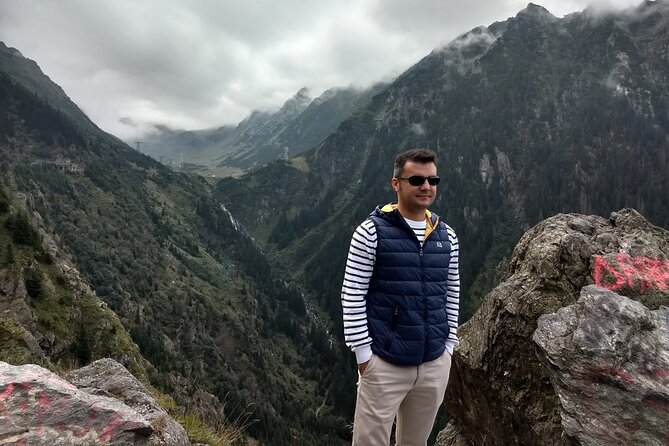
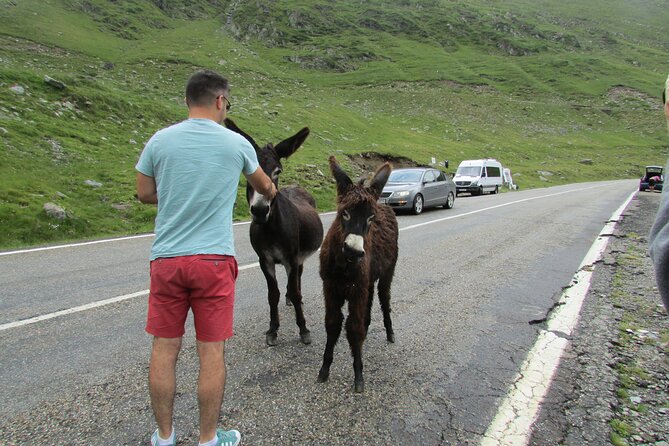
The Transfăgărășan Highway is one of Romania’s signature drives. It climbs through the Carpathians to the Bâlea Lake area, reaching about 2,042 meters at the tunnel. The road is generally open only from June through October, so the season matters greatly. Outside that window, this portion of the plan may need adjustment.
The route finishes in Sibiu, whose Big Square and old center make a pleasant evening stop. The city’s 900-year story, Evangelical Cathedral, and preserved central streets offer a calmer counterpoint to the mountain road. You can enjoy the architecture without needing to rush from one major attraction to the next.
Dacian fortresses and a remarkable church in Transylvania
Corvin Castle is a dramatic Gothic-Renaissance fortress in Hunedoara. With two hours here, you have time to examine its towers, courtyards, and defensive setting. It is one of the largest castles in Europe and one of Romania’s most visually striking medieval buildings. Expect a strong castle experience, but remember that popular sites can feel more managed and tour-ready than remote ruins.
Densuș Church is a smaller and stranger stop. Built in its present form in the 13th century on the site of a Roman temple, it incorporates older stone materials and contains medieval mural paintings. One detail worth noticing is the depiction of Jesus in Romanian traditional clothing. The church offers a much more intimate encounter with Romanian religious architecture than the grand monasteries later in the route.
Sarmizegetusa Regia takes you into the Orăștie Mountains, where the Dacian capital and religious center occupied a high mountain site. Three hours are allowed here, which is sensible because the setting is part of the attraction. The remains of the fortifications and sacred area help explain the Dacian world before Roman conquest.
This day is best for people who enjoy archaeology, old stone, and outdoor settings. It is less suitable if you want short driving days and polished urban sightseeing.
Turda Salt Mine and the wooden churches of Maramureș
Salina Turda is one of Romania’s most unusual attractions. The former salt mine reaches far below ground and has been adapted for visitors. Two hours give you time to see its huge underground spaces and learn about the mine’s role. The saline air is often presented as helpful for respiratory problems, but you should treat that as an environmental feature rather than a medical promise.
Cluj-Napoca follows with a more urban stop at the Alexandru Borza Botanical Garden. The supplied schedule also refers to the city’s old center, where Baroque, Renaissance, and Gothic buildings create a good setting for a walk or meal. This is one place where the plan appears fuller than the stated one-hour visit, so ask Nicolas how much time will be spent in the gardens and how much in central Cluj.
Surdești Wooden Church brings you into Maramureș, a region known for timber architecture and traditional craft. Its tower reaches an impressive height, and the structure shows what local builders could achieve with wood in the early 18th century. Forty-five minutes is enough to appreciate the church, but not to study every detail.
The next day has a striking emotional contrast. At Săpânța’s Merry Cemetery, colorful carved crosses carry humorous poems about the dead. The lighthearted tone may surprise you, but it reflects a local way of facing mortality with wit rather than silence. Give yourself time to read the carvings, since the words are as important as the colors.
The Memorial of the Victims of Communism and of the Resistance in Sighet is much heavier. Two hours here provide space for the prison’s story and the suffering caused by Romania’s totalitarian regime. I consider this one of the most important stops on the route because it moves communist history away from abstract politics and toward individual lives.
A few more Bucharest trips worth putting side by side
- Castles of Transylvania: Private Day Trip from Bucharest
★ 4.5 · 248 reviews - Dracula’s Castle, Peles Castle and Brasov – Private Day Trip from Bucharest
★ 5.0 · 211 reviews - Best of Bucharest | Private Walking Tour
★ 5.0 · 199 reviews - Bucharest Panoramic Sightseeing – Private City Tour
★ 5.0 · 128 reviews
Maramureș traditions, Tihuța Pass, and painted houses
Barsana Monastery is one of the route’s most picturesque religious sites. Its wooden church reaches about 57 meters, and the surrounding complex presents a strong connection between local craftsmanship, Orthodox faith, and rural scenery. The visit is relatively short, so focus on the woodwork, proportions, and setting rather than trying to treat it as a full museum visit.
Tihuța Pass links Transylvania with Bukovina through the Bârgău Mountains. Bram Stoker used the name Borgo Pass in Dracula, although he never visited the region. The pass is therefore a good place to separate literary fantasy from Romanian geography. A hotel called Castel Dracula adds to the theme, but the mountain route itself is the real reason to stop.
Ciocănești offers a more cheerful look at local identity. Houses are painted with traditional motifs, creating a village where private buildings also function as expressions of regional culture. The stop lasts about an hour and works well as a break from churches and fortresses.
Bukovina’s blue, red, and green monasteries
The painted monasteries are among the strongest reasons to choose this tour. Voroneț is famous for its intense blue exterior frescoes and was founded by Stephen the Great in 1488. The church was built in only three months and three weeks, an astonishing detail that adds to the story behind the building.
Humor Monastery provides a different color scheme and a fortified setting. It also helps explain how religious buildings served as places of protection during unsettled periods. Sucevița is more heavily fortified, with defensive walls and bastions surrounding the church. Its exterior paintings work like a large visual account of biblical scenes.
Moldovița completes the main group. Built in 1532, it combines Byzantine, Gothic, and Moldavian influences. You will see painted scenes both inside and outside, so dress and behave respectfully as you would at any active religious site.
The schedule allows 45 minutes at each monastery. That is enough for a focused visit, but the pace may feel quick if you want to study every fresco or attend a service. The private format helps here because you can discuss adjustments with Nicolas, subject to the day’s driving demands.
Eggs, folk art, and the Bicaz Gorges
Day eight adds two small museums that give the region a human scale. The Lucia Condrea International Egg Museum contains more than 5,500 exhibits arranged across two floors. It is a specialized collection, and its value lies in the detail of the craft rather than the size of the building.
The Popa Museum in Târpești is housed in the former home of sculptor Nicolae Popa. His life included wartime injury and imprisonment under the communist regime, and his art focused on Romanian folk values. This stop is especially worthwhile if you like personal collections and handmade art more than formal national museums.
The Bicaz Gorges provide a natural change of pace. A two-hour stop along the river and mountain route lets you focus on rock walls, forest, and the road through the gorge. The schedule does not specify a formal hike, so ask what walking time is planned. Comfortable shoes are sensible for any uneven roadside paths.
Sighișoara, Biertan, and the Dracula question
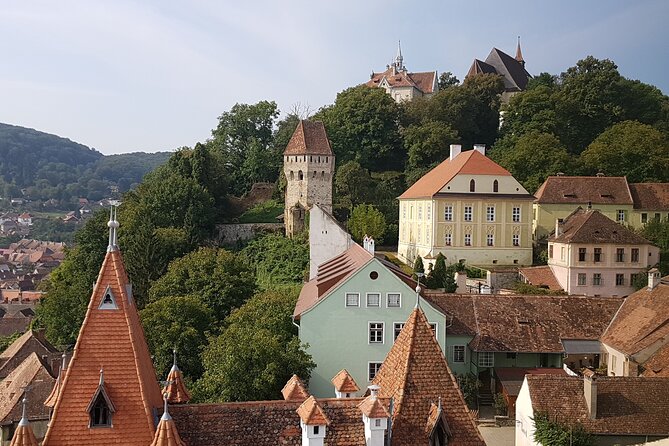
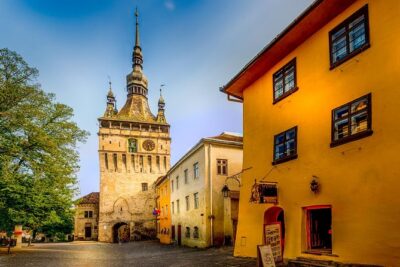
Sighișoara is one of Romania’s best medieval town experiences. The citadel has remained inhabited for more than 700 years, and the Clock Tower gives you a strong starting point for the old town. The Arms Museum adds context to medieval defense, while the streets and squares reward slow walking.
The town is also associated with Vlad the Impaler’s birth, but the Dracula connection should be treated as one thread rather than the whole story. Sighișoara is valuable because it remains a living historic town, not simply a castle set up for visitors.
Biertan Fortified Church sits above a small settlement and is surrounded by defensive walls and seven bastions. Its Saxon background and UNESCO status make it a useful companion to Sighișoara. Two hours at each stop suggests a full day of walking and sightseeing, so plan on sturdy shoes and a willingness to climb.
Brașov, Bran Castle, and Peleș Castle
The final day brings three major attractions. Brașov’s Black Church, old square, and medieval walls form the center of a compact walking tour. Two hours plus free time gives you room for a café stop and a look at the city beyond its headline sights.
Bran Castle is the stop most closely tied to the Dracula brand. Bram Stoker never visited Romania, and Bran’s link to his fictional castle is based more on appearance and popular imagination than direct historical evidence. The castle is still worth seeing for its setting and interiors, but go expecting a historic fortress with a strong Dracula theme, not proof that the fictional count lived there.
Outside Bran, you can try handmade cheeses, plum or pear brandy, ham, and sausages. This food stop adds a useful local touch, though these purchases are not included in the tour price.
Peleș Castle closes the trip on a grander note. Once the Romanian royal family’s summer residence, it offers ornate interiors and a very different style from Bran. The two-hour visit allows you to appreciate the building as a royal residence rather than simply another medieval castle.
Is $3,472.81 per person good value?
The price is high for Romania, but this is not a standard group bus tour. You receive private transport, an English-speaking licensed guide-driver, wireless internet in the vehicle, fuel, parking, road tolls, and flexibility for itinerary changes. Nicolas’s accommodation, meals, and entrance costs are also covered by the operator.
You still pay for your own hotels, meals, drinks, and entrance fees. That distinction matters because this route includes many paid attractions. Ask for a current estimate of entrance costs and confirm what hotel standard is planned before booking.
The value improves for families or friends who can share the private vehicle and want control over the pace. It is less compelling for solo visitors or couples who prefer low-cost public transport and independent hotel booking.
Who should book this private Romania tour?
Book it if you want one organized route through several Romanian regions, dislike changing trains and buses, and value having Nicolas available to explain the country as you go. It suits history lovers, castle fans, photographers, and families who want a private vehicle.
Think twice if you prefer slow travel. The route is ambitious, and long drives connect many short visits. Summer is the safest choice if the Transfăgărășan Highway is essential, since it is fully open only from June to October.
Free cancellation is available up to 24 hours before the start time. The tour is private, pickup is offered, mobile tickets are available, and most people can participate, though the fortress and mountain stops may require more walking than the city visits.
FAQ
Is this a private tour?
Yes. Only your own group participates, using a private car or minibus.
Who guides the tour?
A licensed English-speaking guide-driver is available throughout the tour. The guide associated with the experience is Nicolas.
How long is the tour?
The tour lasts approximately 10 days.
Where does the tour begin?
The tour is based in Bucharest, Romania, and pickup is offered.
Is transportation included?
Yes. Private transportation, fuel, parking, road tolls, and wireless internet in the vehicle are included.
Are hotels included?
No. Your accommodation is not included. The operator covers accommodation for the guide.
Are meals included?
No. Your meals and beverages are not included. The operator covers meals for the guide.
Are entrance fees included?
No. Your entrance fees are not included, even though admission is planned at many stops. The operator covers entrance fees for the guide.
Can the daily route change?
Yes. The tour allows flexibility for changes to the daily itinerary after the tour has started.
When can I cancel for a full refund?
You can cancel at least 24 hours before the experience start time for a full refund. Changes or cancellations made less than 24 hours before the start are not accepted for a refund.
Newest Bucharest trips we have written up
- Bucharest: Dealu Mare Winery Private Trip with Wine Tasting★ 4.9 · 6 reviews
- Winery touring & private wine tasting – one day private tour★ 5.0 · 3 reviews
- Traditions in Bucharest: Village Museum and Wine Tasting★ 5.0 · 8 reviews
- Your rendez-vous with Europe’s past: time-travel to Maramures, Transylvania★ 5.0 · 6 reviews
- Village Museum Bucharest Guided Tour★ 5.0 · 6 reviews
- Private Wine Tasting at Bucharest’s First Wine Bar★ 5.0 · 3 reviews
- Walking Tour of Bucharest City Center – Private Tour★ 5.0 · 4 reviews
- Wine tasting in Bucharest Old town – bonus cheese platter★ 4.5 · 6 reviews
Multi-Day Romania Tours from Bucharest, compared.
2-Day Medieval Transylvania with Brasov,Sibiu and Sighisoara Tour from Bucharest
Read our review →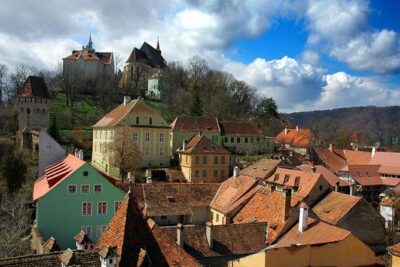
2-Day Transylvania from Bucharest: Brasov, Bran, Sighisoara
Read our review →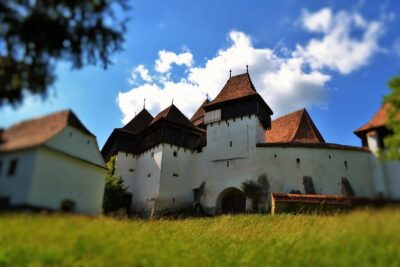
4-Day Private Tour in Transylvania from Bucharest
Read our review →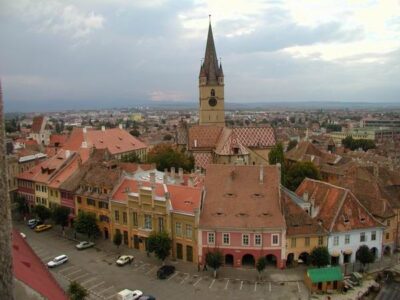
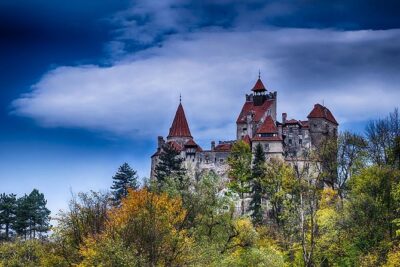
Transylvania Castles 4-day tour from Bucharest
Read our review →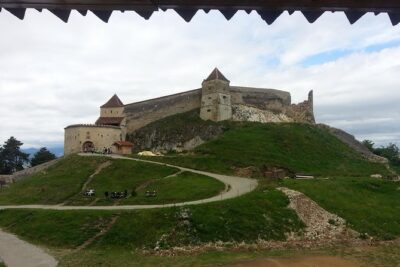
2-Day Private Tour of Transylvania from Bucharest
Read our review →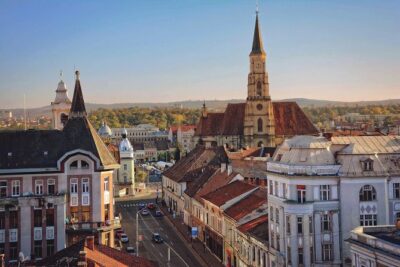
Classic Romania Tour – small group in 8 days: Transylvania and Maramures
Read our review →
2 Days Private Tour in Transylvania from Bucharest – 4 Medieval Cities
Read our review →Browse the lists this tour appears in