
Reviewed · DRACULA AND BRAN CASTLE TOURS FROM BUCHAREST
7-Day Dracula Tour in Romania from Bucharest including ‘The Ritual of Killing of a Living Dead’
The most unusual part of this seven-day Romania tour is the way it links real places tied to Vlad Tepes with the fictional world of Dracula. You move from Snagov Monastery and Poienari Fortress to Bran Castle, then add medieval towns, a salt mine, royal palaces, and a special evening in Turda called the Ritual of Killing of a Living Dead.
I like the wide range of sights and the fact that transport, hotels, breakfasts, two dinners, and admission fees are built into the price. I also like the overnight stops in Transylvania, since you get more than a quick look from a Bucharest day trip. The main drawback is the pace: seven days cover a lot of ground, and several days involve long drives and short visits.
The tour at a glance
- Snagov Monastery connects legend and history: Visit the place traditionally linked with Vlad Tepes’s burial after his assassination.
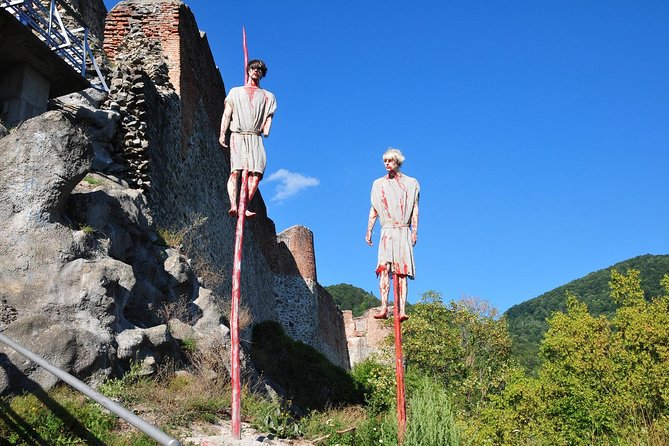
- Poienari Fortress requires a more focused visit: You see the ruins of Vlad’s mountain stronghold rather than a polished castle interior.
- Turda adds a striking change of pace: Descend into one of Romania’s major salt mines before the vampire-themed dinner and ritual.
- Sighisoara gives the Dracula story a medieval setting: Its citadel and Clock Tower are among the tour’s most atmospheric stops.
- Bran Castle is famous for fiction more than fact: Your guide helps separate Bram Stoker’s Dracula from Romania’s real past.
- The price covers the practical pieces: Six breakfasts, two dinners, six nights of hotels, transport, guide services, and listed admissions are included.
Following Vlad from Bucharest to Snagov
The tour begins at 10:00 am from Moxa Bucharest Boutique Hotel on Calea Victoriei. Pickup is offered there, with final drop-off in Bucharest on the last day generally expected between 5:00 and 7:00 pm.
Your first stop is Snagov Monastery, a small but important part of the Vlad story. According to local legend, Vlad was buried here after his assassination. The value of the stop is not simply the building itself. It gives your guide a chance to explain how a real medieval ruler became the seed for centuries of vampire tales.
You receive admission to the monastery, and the visit lasts about an hour. That is enough time for a focused introduction, though not a slow architectural study. Your first night is in a centrally located four-star hotel, with a welcome dinner included. Starting in a comfortable city hotel is a useful touch after meeting the group and settling into the tour routine.
More Dracula and Bran Castle trips from Bucharest:
- Bucharest: Dracula’s Castle, Peles Castle, & Brasov Old Town
★ 4.5 · 17,858 reviews - Bucharest: Dracula Castle, Peles Castle & Brasov Old Town
★ 4.6 · 10,891 reviews - Bucharest: Dracula’s Castle, Peleș Castle & Brașov Day Trip
★ 4.5 · 5,919 reviews
Poienari Fortress and the road to Sibiu
Day two brings you to Poienari Castle, or more accurately, the ruins of Vlad’s old fortress. This is an important distinction. Poienari is not a furnished palace or a restored castle prepared for easy sightseeing. You are visiting a stark mountain stronghold connected closely with Vlad himself.
The supplied schedule gives the stop about an hour. Ask your guide about the physical setting and Vlad’s use of the fortress, since the site’s appeal lies in its connection to the ruler and its remote defensive role. The visit may feel brief if you hoped for a long climb or extended time among the ruins, but the schedule must also carry you onward to Sibiu.
In the evening, you tour Sibiu, one of Romania’s fortified medieval cities. The city portion adds balance to the Dracula theme. Instead of another castle, you get streets, defenses, and urban history. Your hotel arrangements include three nights in four-star properties and three nights in three-star hotels, all described as centrally located. That mix should help keep the tour practical while offering a comfortable base in the main towns.
Corvin Castle and Turda’s underground world
Day three is one of the tour’s most varied. In Hunedoara, you visit Corvin Castle, also called Corvinesti or Castelul Corvinilor. It is described as Romania’s greatest Gothic-style castle, and the visit lasts about an hour with admission included.
Corvin Castle helps broaden the trip beyond Dracula. Its Gothic form fits the mood, but the attraction is not presented as one of Vlad’s main homes. You see a major Romanian castle in its own right, then return to the vampire theme later in the day.
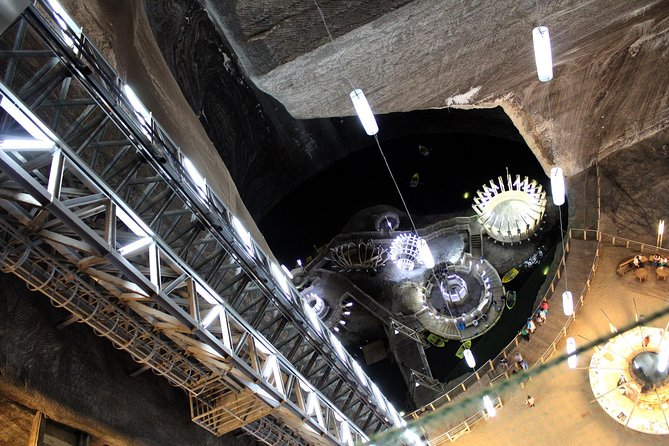
Next comes Salina Turda. You descend into the Turda Salt Mine, one of the oldest salt mines in Romania and one of the tour’s most distinctive stops. The mine provides a dramatic change from towers and citadels. You are underground in a working piece of industrial and geological history, with admission included.
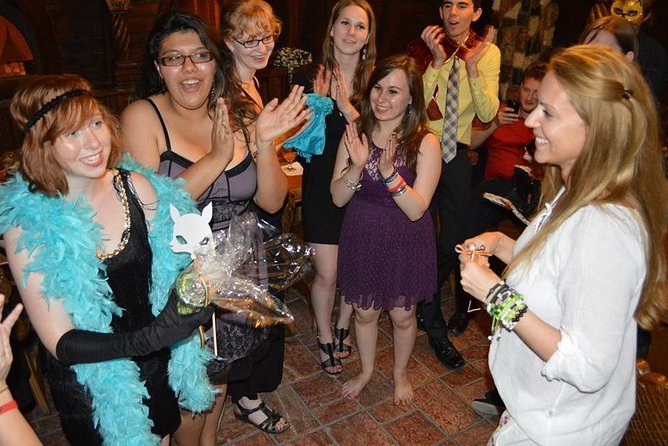
Turda is also where the special evening takes place. The package includes a dinner with a vampire menu and the Ritual of Killing of a Living Dead. The title makes clear that this is a themed event, not a standard restaurant meal. It will suit you if you enjoy theatrical folklore and the playful side of Dracula culture. It may feel too staged if you want only sober historical interpretation.
There is an important condition: the ritual takes place only for groups of at least four people. If your group is smaller, you should not assume the event will run. That detail matters because it is one of the tour’s main selling points.
After Turda, you continue toward Borgo Pass and stay at a three-star hotel described as being built in line with Bram Stoker’s imagination of Dracula’s castle. This is a clear nod to the novel rather than a claim that the location was part of Vlad’s actual life.
Cluj-Napoca, Bistrita, and Bram Stoker’s route
Day four includes a city tour of Cluj-Napoca, with attention to medieval buildings such as Saint Andrews Cathedral. The stop lasts about an hour, so expect an introduction rather than an exhaustive city visit.
You then follow the route associated with Jonathan Harker, Bram Stoker’s character, toward Bistrita and Borgo Pass. This is where the tour leans most openly into literary tourism. Stoker never wrote a travel guide to Romania, of course, and the Dracula novel blends invention with real place names. A good guide can make that contrast enjoyable rather than confusing.
The tour’s value here comes from the combination of real towns and imagined connections. You are not simply being shown a series of places labeled Dracula. You are given a route that lets you compare the novel’s atmosphere with the actual Romanian towns and mountain roads named in the story.
More multi-day Romania trips starting in Bucharest:
- 2-Day Medieval Transylvania with Brasov,Sibiu and Sighisoara Tour from Bucharest
★ 4.5 · 145 reviews - 2-Day Transylvania from Bucharest: Brasov, Bran, Sighisoara
★ 5.0 · 60 reviews - 4-Day Private Tour in Transylvania from Bucharest
★ 5.0 · 48 reviews - 3-Day Medieval Transylvania Package Tour
★ 4.7 · 31 reviews
Sighisoara, Vlad’s birthplace, and the Clock Tower
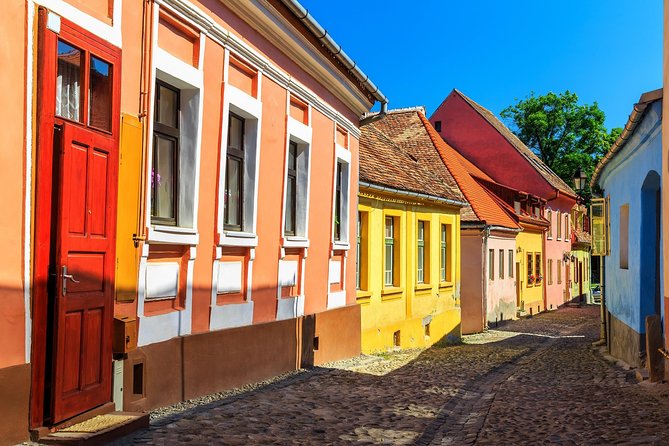
On day five, you spend three hours in Sighisoara’s medieval citadel, a UNESCO World Heritage Site. This is one of the strongest stops for anyone who wants the real medieval setting behind the legend.
Sighisoara is associated with Vlad Tepes’s early life, and the fortified center gives you a concentrated look at the kind of town that shaped the period. The visit includes the Sighisoara Clock Tower, also known as the Gate Tower. It served over time as a meeting place for the town council and a storehouse for civic archives and valuables.
The longer three-hour stop is welcome. Compared with the one-hour visits elsewhere, it gives you more time to understand the citadel rather than simply photograph it. You may still want to use your free moments carefully, since the tour schedule continues to the next destination and the exact amount of independent time is not specified.
I would treat Sighisoara as one of the trip’s key historical stops, not just another Dracula location. The UNESCO designation, preserved citadel, and link with Vlad give it weight beyond the vampire story.
Bran Castle and Brasov
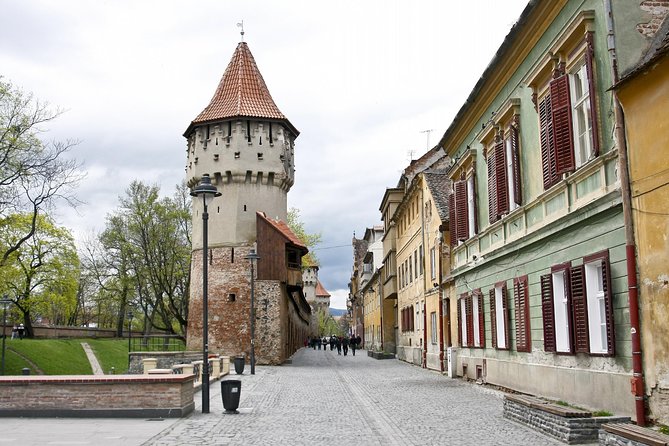
Day six brings you to Bran Castle, the symbol of Transylvania and the attraction most closely marketed as Dracula’s Castle. The visit lasts about two hours, and admission is included.
Bran’s fame comes from its unusual appearance and its connection to Bram Stoker’s fictional Dracula. The castle is not the same place as Vlad’s best-known fortress, and the guide’s historical explanation is important here. You get the fun of the Dracula association while learning where fiction has taken liberties.
Two hours should give you time to see the castle without making it the entire day. It is also one of the places most likely to draw strong crowds, although the supplied details do not promise a particular crowd level or entry time. Keep your expectations balanced: Bran is important to the Dracula brand, but Poienari and Snagov are more directly tied to Vlad’s life and legend.
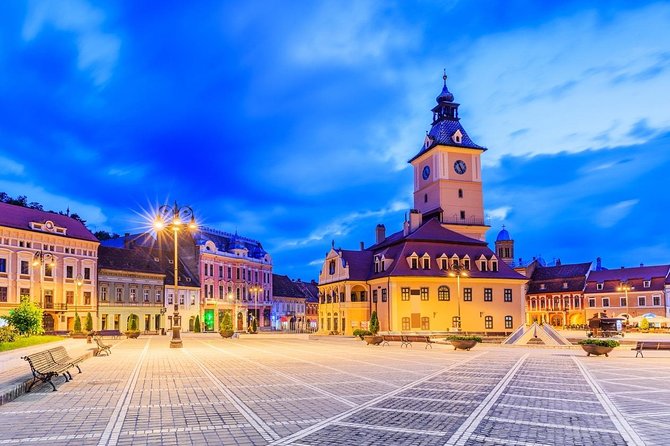
The day continues in Brasov, where you tour the medieval Saxon city and its historic center for about two hours. Brasov’s defensive walls and fortifications reflect repeated threats from the east between the 15th and 17th centuries. This gives the tour another useful shift in focus. You are no longer looking only for Dracula references. You are seeing how medieval communities protected themselves and developed.
The pairing works well: Bran supplies the famous castle, while Brasov supplies a larger historic city with a broader story.
Peles Palace and the return to Bucharest
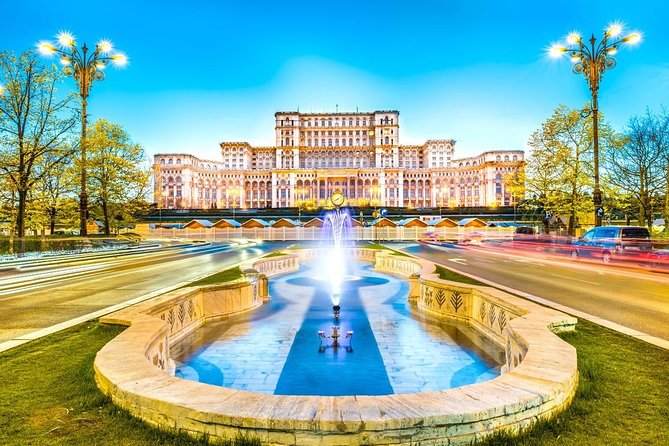
The final morning takes you to Sinaia and Peles Castle. The palace is described as the main attraction in Sinaia, and admission is included. Peles is a royal residence rather than a Dracula site, so it rounds out the week with a look at Romania’s monarchy and decorative arts.
The schedule allows about an hour at the castle. That is enough for a guided introduction, but you should not expect every room or detail to receive equal attention. The visit is valuable because it shows a very different side of Romania from the grim fortress ruins, fortified towns, and vampire folklore.
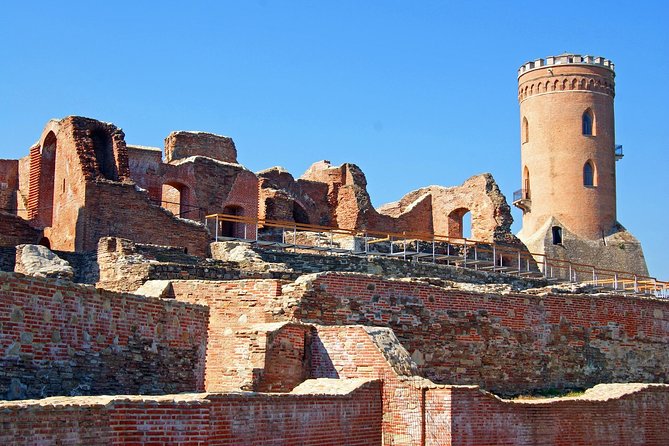
You then stop in Targoviste, the former capital of Wallachia, to visit the ruins of Vlad Tepes’s old court. Admission is listed as free, while the transport and guide service remain part of the tour. This is a fitting final historical stop because it returns the focus to Vlad as a ruler, not only as the inspiration for a fictional monster.
Arrival back in Bucharest is late, after 7:00 pm according to the schedule, with final hotel drop-off generally listed around 5:00 to 7:00 pm. The timing varies in the supplied information, so do not schedule an important evening flight or separate appointment on the last day. Accommodation on the final night is not included.
What the $1,685.87 price really covers
At $1,685.87 per person, this is not a bargain-priced coach trip. Its value depends on how much you want handled for you.
The cost includes six nights of accommodation, with three nights in four-star hotels and three in three-star hotels, all centrally located. It also includes six breakfasts and two dinners, including the welcome meal and the Turda vampire menu. Transport between all listed stops is provided by air-conditioned coach, minibus, or car, depending on group size.
You also receive an English-speaking guide and admission to Snagov Monastery, Targoviste Citadel, Peles Palace, Bran Castle, Turda Salt Mine, Poienari Citadel, and Corvin Castle. When you add those fees and the cost of arranging intercity transport and hotels yourself, the package becomes easier to justify.
The value is strongest for you if you want a single organized route through Transylvania and do not want to manage Romanian rail connections, rural transfers, hotel changes, and admission tickets. It is weaker if you prefer slow travel, long museum visits, or choosing your own restaurants each evening.
The group may reach 50 people, though the vehicle can be smaller depending on numbers. That maximum is worth noting. A group of 50 can make loading, room checks, and short site visits feel less personal than a small private tour. On the other hand, the operator has used guides such as Robert, praised for clear historical explanations, and Andrei, who is described as having a history degree and serving as an excellent driver. Specific guide assignments cannot be guaranteed, but the guide quality will matter greatly on a theme-heavy trip like this.
Meals, hotels, and practical comfort
Six breakfasts are included, but not every meal. You should budget for additional lunches, dinners, drinks, and personal purchases. A vegetarian option is available if you request it at booking.
The hotels are centrally located, which matters because evenings in Sibiu, Sighisoara, Brasov, and other towns are more useful when you can reach the historic center without another transfer. The accommodation standard changes during the week, from four-star to three-star hotels. That is normal for a route covering several Romanian towns, but do not expect the same level every night.
All internal transfers use air-conditioned transport. Since the tour covers Bucharest, Snagov, Poienari, Sibiu, Hunedoara, Turda, Cluj-Napoca, Bistrita, Sighisoara, Bran, Brasov, Sinaia, Targoviste, and Bucharest again, the vehicle is a major part of your comfort. Bring water, keep essentials close, and expect some days to feel road-heavy.
Who should book this Dracula tour?
I would choose this trip if you like history, castles, folklore, and literary connections, and you want a guide to explain where the facts end and the Dracula story begins. It suits first-time visitors to Romania who want to cover many major sights without renting a car or arranging several hotels.
It is also a good fit for fans of Bram Stoker’s novel. The Borgo Pass overnight, the Jonathan Harker route, Bran Castle, and the Turda ritual give the trip a strong literary and theatrical thread.
I would hesitate if you dislike fixed schedules, long transfers, or themed events. The Ritual of Killing of a Living Dead may be the highlight for some people and an uncomfortable or overly theatrical addition for others. The minimum group of four also means the event is not guaranteed for a very small booking.
The experience is non-refundable and cannot be changed after booking, except when the operator cancels because the minimum number is not reached. In that case, you are offered another date or experience, or a full refund. Read that condition carefully before paying.
Should you book it?
Book this tour if you want a well-organized week that combines real Vlad sites, famous Dracula locations, medieval towns, and practical transport. The strongest parts are Sighisoara, Poienari, Bran, Turda, and the guide-led explanations that connect Romanian history to Stoker’s fiction.
Skip it if you want to travel slowly or see each castle in depth. For the right person, the price buys more than admission tickets and hotel rooms. It buys a coherent route through a complicated story, with the logistics already arranged and enough variety to keep the week from becoming seven days of castle interiors.
FAQ
Where does the tour begin?
The tour begins at 10:00 am at Moxa Bucharest Boutique Hotel, located at 129 Calea Victoriei, corner of 2-4 Mihail Moxa Street, Bucharest.
Where does the tour end?
The activity ends back at the meeting point in Bucharest. Hotel drop-off on the last day is included, generally between 5:00 and 7:00 pm.
How long does the tour last?
The tour lasts approximately seven days.
Are hotels included?
Yes. The package includes six nights of accommodation, with three nights in centrally located four-star hotels and three nights in centrally located three-star hotels.
Which meals are included?
Six breakfasts and two dinners are included. The dinners are a welcome dinner and a dinner with a vampire menu in Turda.
Is the Ritual of Killing of a Living Dead guaranteed?
The ritual takes place for groups of at least four travelers. The provided tour information does not guarantee it for smaller groups.
Which castle is called Dracula’s Castle?
Bran Castle is presented as Dracula’s Castle because of its connection with Bram Stoker’s fictional character. The tour also visits Poienari Fortress and Targoviste, which are more closely linked with Vlad Tepes.
Is transport included?
Yes. All transfers within the tour are included and use an air-conditioned coach, minibus, or car depending on the number of participants.
Is the tour suitable for vegetarians?
Yes. A vegetarian option is available, but you should request it when booking.
Newest Bucharest trips we have written up
- Bucharest: Dealu Mare Winery Private Trip with Wine Tasting★ 4.9 · 6 reviews
- Winery touring & private wine tasting – one day private tour★ 5.0 · 3 reviews
- Traditions in Bucharest: Village Museum and Wine Tasting★ 5.0 · 8 reviews
- Your rendez-vous with Europe’s past: time-travel to Maramures, Transylvania★ 5.0 · 6 reviews
- Village Museum Bucharest Guided Tour★ 5.0 · 6 reviews
- Private Wine Tasting at Bucharest’s First Wine Bar★ 5.0 · 3 reviews
- Walking Tour of Bucharest City Center – Private Tour★ 5.0 · 4 reviews
- Wine tasting in Bucharest Old town – bonus cheese platter★ 4.5 · 6 reviews
Dracula and Bran Castle Tours from Bucharest, compared.
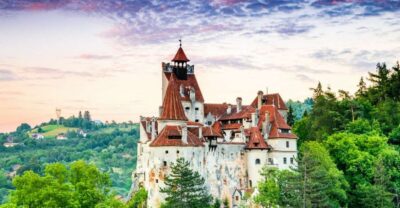
Dracula’s Castle, Peles Castle, & Brasov Old Town
Read our review →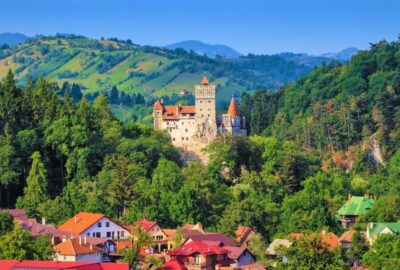
Dracula Castle, Peles Castle & Brasov Old Town
Read our review →
Dracula’s Castle, Peleș Castle & Brașov Day Trip
Read our review →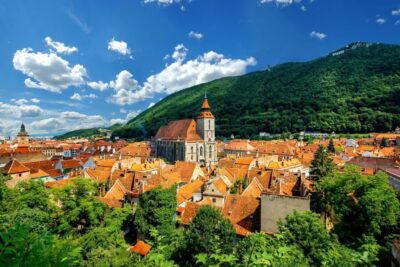
Day Trip to Dracula Castle, Peles Castle & Brașov
Read our review →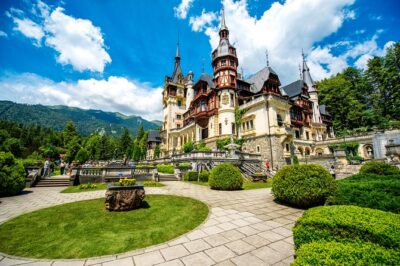
Bucharest to Dracula Castle, Peles Castle and Brasov Guided Tour
Read our review →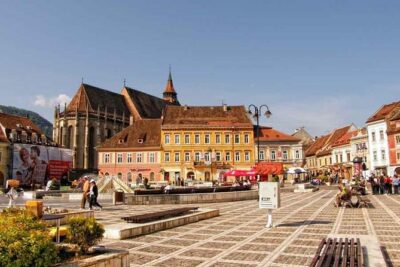
Dracula’s Castle, Peles Castle and Brasov Day Trip from Bucharest
Read our review →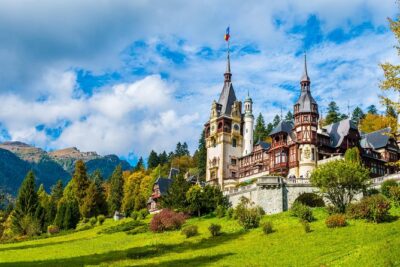
Transylvania and Dracula Castle Full Day Tour from Bucharest
Read our review →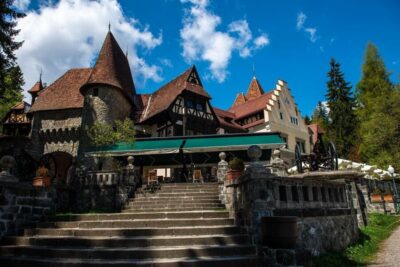
Browse the lists this tour appears in