
Reviewed · BRASOV AND TRANSYLVANIA DAY TRIPS FROM BUCHAREST
6 Days Transylvania and Bukovina Small Group Tour from Bucharest
Romania packs a lot into a small corner of Europe, and this six-day circuit gives you a clear look at its medieval towns, painted monasteries, mountain roads, and royal castles. The most memorable stops range from Cozia Monastery and Sibiu to the blue frescoes of Voronet and the eerie tree trunks of Red Lake.
I like the tiny group, capped at seven, because you get more room for questions and less time waiting for people to reboard. I also like having transport, five breakfasts, hotels, and a guide-driver arranged in one package. The main drawback is the pace: you cover a large part of Romania, so some stops are short and entrance fees are extra.
Why this Romanian route is worth considering
- Seven-person maximum: A small group makes a long road journey more manageable and gives you better access to the guide.
- Three famous painted monasteries: Moldovita, Sucevita, and Voronet show the distinctive religious art of Bukovina.
- A useful Dracula reality check: Bran Castle is included, but the route also gives you genuine medieval towns and fortifications beyond the legend.
- Two very different castles: Bran is a defensive mountain stronghold, while Peles is a lavish royal residence.
- A guide-driver named George on some departures: George is described as proud of Romania and especially strong on political, social, artistic, and historical explanation.
- Hotels and transport are organized: You stay in 3- and 4-star hotels and receive five breakfasts, but you should budget for admissions, most lunches, dinners, and gratuities.
From Bucharest to Cozia and medieval Sibiu
The tour starts at 8:00 a.m. in Bucharest, heading toward the Olt Valley and Cozia Monastery. This fourteenth-century Wallachian monument was founded by Mircea the Old, a major medieval ruler, and later restored under the Cantacuzino family.
You get about 30 minutes at Cozia, so think of it as a focused introduction rather than a long monastery visit. Look for the Armenian-influenced decoration on the facade and the painted interior. The stop is free, which helps, since later monasteries charge admission.
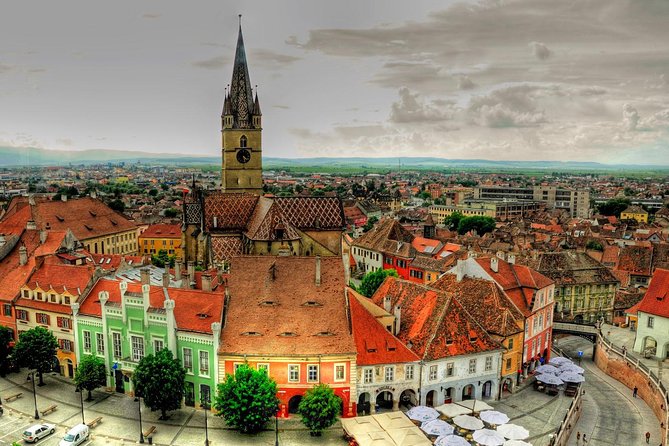
Sibiu receives three hours, enough to make the first day feel more than just a transfer. The city grew through the long coexistence of Romanian and Saxon communities, and its Catholic, Orthodox, and Protestant buildings help you see that mixture in physical form.
I would spend your free time around the Big Square, Small Square, and Huet Square. The old towers, fifteenth-century fortifications, museums, and famous houses with roof windows give Sibiu its character. The large Gothic evangelical church is another essential stop.
Sibiu was European Capital of Culture in 2007 and is known for its theater festival. You may not be there during the festival, but the cultural reputation explains why the city feels more polished and active than a simple preserved old town.
The day is well balanced at first, but it is still a road day. You should wear shoes that handle uneven historic streets and keep your camera ready for the changing views along the Olt Valley.
More Brasov and Transylvania day trips from Bucharest:
- Bucharest: Dracula’s Castle, Peles Castle, & Brasov Old Town
★ 4.5 · 17,858 reviews - Bucharest: Dracula Castle, Peles Castle & Brasov Old Town
★ 4.6 · 10,891 reviews - Bucharest: Dracula’s Castle, Peleș Castle & Brașov Day Trip
★ 4.5 · 5,919 reviews
Sighisoara, Targu Mures, and Bistrita on day two
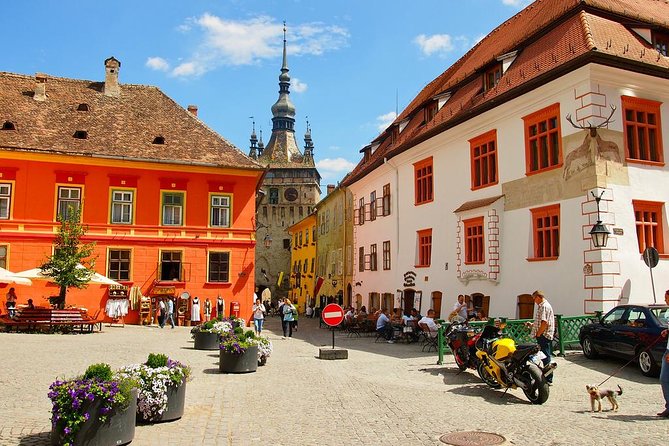
Day two begins in Sighisoara, one of the route’s strongest stops. Its historic center has UNESCO status and remains inhabited, which matters. This is not a museum town built only for sightseeing. People still live among the lanes, towers, and colorful facades.
The Clock Tower is the city’s visual anchor. You also have time to see the Church on the Hill, reached by the covered wooden Schoolchildren’s Stairway, and the Shoemakers’ Tower. The Catholic church and the statue of Hungarian poet Petofi Sandor point to the area’s long Romanian, Saxon, and Hungarian connections.
You have about two hours here. That is enough for a walk, but not enough for a slow, detailed visit to every building. Lunch at the house associated with Vlad the Impaler is optional and not included. It is a fun Dracula connection, though you should not confuse the tourist legend with a full portrait of medieval Romania.
The next stop is Targu Mures, where the Palace of Culture supplies the main architectural focus. You get only 30 minutes, so this is a quick orientation stop. The city’s Baroque buildings also reflect the strong Hungarian influence in Transylvania.
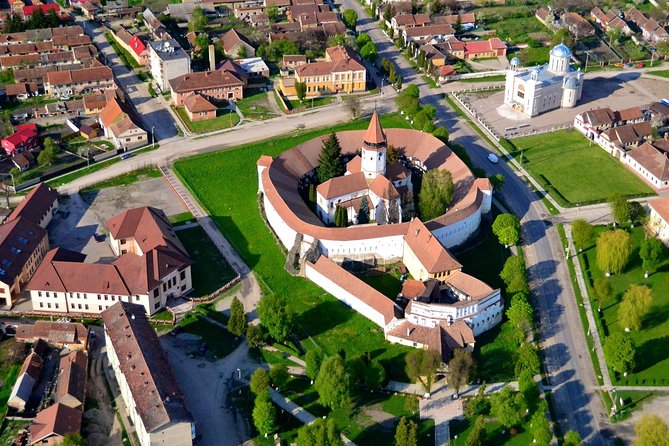
Bistrita follows with about an hour on foot. The Lutheran church, begun in the fourteenth century and later given Renaissance changes, is the key monument. Like Sighisoara, Bistrita helps you see that Transylvania is not just castles and vampire stories. It is a borderland shaped by several languages, churches, and ruling powers.
Bucovina’s painted monasteries and black pottery
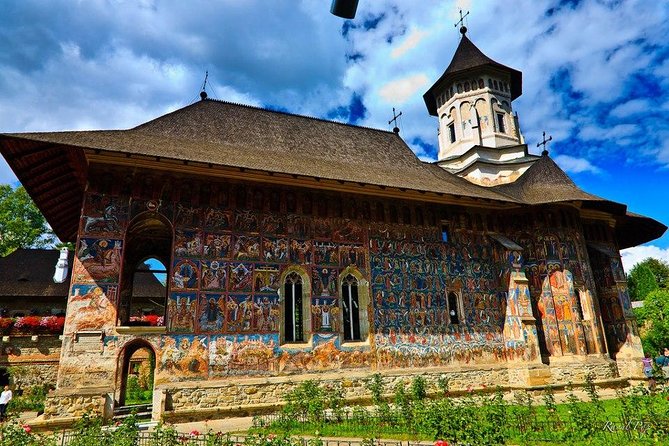
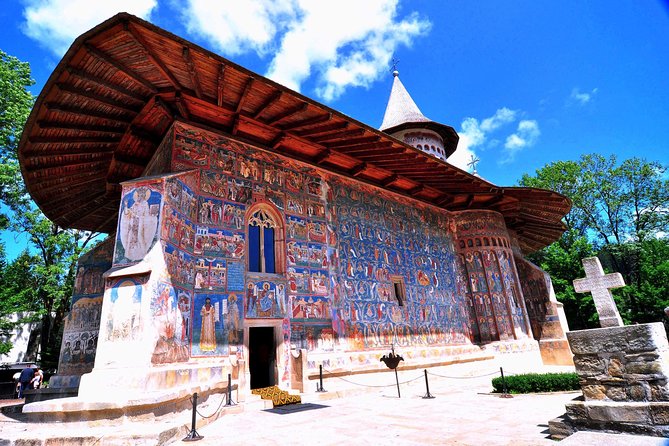
Day three shifts from fortified towns to Bucovina’s religious art. Moldovita Monastery was founded by Petru Rares in the sixteenth century, and its exterior and interior frescoes are the reason to come. You receive about an hour, with admission not included.
Sucevita Monastery follows. Founded by the Movila brothers in the seventeenth century, it combines Gothic and Byzantine elements in a style associated with Moldavia. The northern wall is especially important because its protective walls helped preserve the frescoes.
These visits reward patience. The paintings are not just decoration. They turn the outside walls into religious teaching tools, presenting biblical scenes for communities that did not experience worship through printed books in the modern sense. Your guide can add meaning that you would likely miss by simply taking photographs.
At Marginea, you visit local artisans working with black ceramic. The workshop stop lasts only about 15 minutes, so expect a brief look at the process rather than a full craft class. You can buy black ceramic vessels, painted eggs, and other traditional items, but purchases are optional and not part of the tour price.
Voronet is the day’s visual high point. Founded by Stephen the Great, it is famous for the intense blue used across its frescoes and is often called the Sistine Chapel of the Carpathians. The nickname is dramatic, but the blue really is the reason this monastery stays in your memory.
Admissions to Moldovita, Sucevita, and Voronet are not included. Carry Romanian currency or a payment method accepted locally, and dress properly. At religious sites and selected museums, knees and shoulders must be covered for both men and women. Shorts and sleeveless tops can lead to refused entry.
Bicaz Gorges, Red Lake, and the road to Miercurea Ciuc
Day four brings some of the tour’s best natural scenery. There is a short stop in Piatra Neamt, a mountain town associated with skiing and a fifteenth-century citadel founded during the time of Stephen the Great. The 18th-century synagogue is another reminder of the area’s varied past, though the stop lasts only about 15 minutes.
The road through Bicaz Gorges is one of the most dramatic stretches of the trip. Cliffs press close to the road, with a stream running beside it. You get about an hour in the gorge area, including time to browse stalls selling local handicrafts and souvenirs.
This is a good place to remain flexible. The gorge is experienced from the road and short walks, not from a long trail. You may find traffic or crowded market areas, but the cliffs make the stop worthwhile even when your time is limited.
Red Lake has a stranger mood. It formed after part of a mountain slid down and blocked the water, leaving tree trunks visible in the lake. Local legends explain the name and add a layer of folklore to the stop. You get about an hour here.
The road then continues toward Miercurea Ciuc through the Carpathians. The area is sometimes called the Siberia of Romania because of its cold temperatures. The description is colorful rather than a promise of extreme weather, so pack layers instead of assuming the conditions will be severe.
This is a scenic day, but it also involves considerable time in the vehicle. If you dislike long road transfers, this six-day route may feel demanding. If you enjoy seeing how quickly Romania changes from old towns to mountain roads, the day gives you a useful contrast.
More multi-day Romania trips starting in Bucharest:
- 2-Day Medieval Transylvania with Brasov,Sibiu and Sighisoara Tour from Bucharest
★ 4.5 · 145 reviews - 2-Day Transylvania from Bucharest: Brasov, Bran, Sighisoara
★ 5.0 · 60 reviews - 4-Day Private Tour in Transylvania from Bucharest
★ 5.0 · 48 reviews - 3-Day Medieval Transylvania Package Tour
★ 4.7 · 31 reviews
Brasov and the real story behind Bran Castle
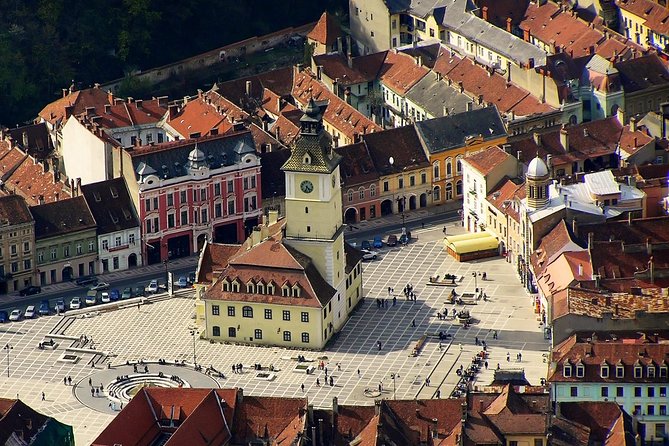
Brasov gets two hours, and that is enough for a strong first look at one of Transylvania’s most attractive cities. German architectural influence appears in the Gothic, Baroque, and Renaissance buildings, while the old fortifications explain the city’s former importance as a commercial and cultural center.
The Black Church is the major landmark. You also visit the First Romanian School in the Schei district, an older quarter that was inhabited by Romanians. Catherine’s Gate and Schei Gate show how controlled entry into the medieval city once worked.
Brasov deserves more time than the schedule allows, but the guided visit helps you use the hours well. If you have free time, focus on the central squares and the old streets near the church rather than trying to chase every sight.
Bran Castle comes next, with about two hours and admission extra. The castle was built as a defensive stronghold near the medieval border between Wallachia and Transylvania. That practical role is more historically grounded than the Dracula image used to market it.
The connection to Vlad the Impaler is limited, and the castle is not a literal home of the fictional Count Dracula. Still, the setting, towers, and narrow rooms make it easy to understand why the legend took hold. I like this stop best when you treat it as a medieval border fortress first and a Dracula attraction second.
Peles Castle and the return to Bucharest
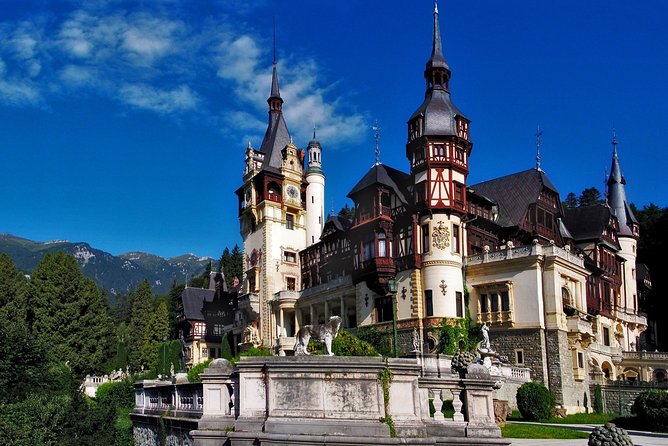
The final sightseeing stop is Peles Castle in Sinaia. Built between the nineteenth and twentieth centuries as the summer residence of Romania’s first king, Carol I of Hohenzollern, it offers a sharp contrast to Bran.
Peles was designed by a Czech architect and was considered highly modern for its time. Its rooms do not follow one single decorative plan. Instead, each has a different style, and the Florentine room brings a clear Renaissance and Italian flavor.
You receive about two hours, but admission is not included. Check the practical cost before booking so the final day does not bring an unpleasant surprise. The castle is one of the most polished and ornate places on the route, and it rewards anyone interested in royal interiors rather than only medieval ruins.
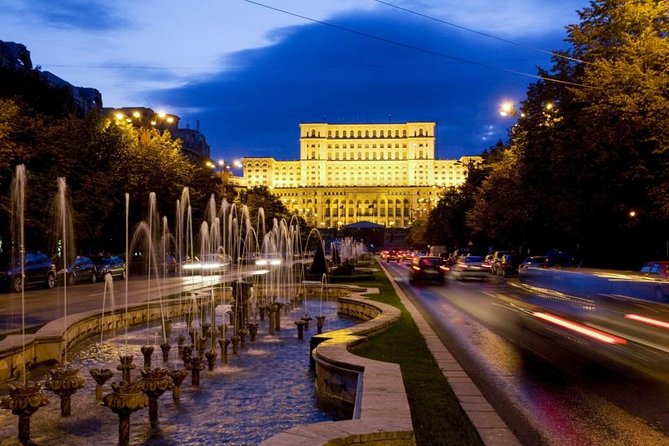
After Sinaia, the group returns to Bucharest for a panoramic tour. The route includes the Triumph Arch, Romanian Athenaeum, Revolution Square, and Parliament Palace. This is an overview rather than a series of long interior visits, so use it to mark places you might want to revisit on a separate Bucharest stay.
What the $1,163.56 price really covers
At $1,163.56 per person, the price is not a budget independent trip, but it bundles several costly and awkward pieces. You receive an air-conditioned vehicle, a licensed guide who also drives, five breakfasts, and six nights in 3- and 4-star hotels.
The small group matters most here. With a maximum of seven people, the tour can feel more personal than a large coach circuit, and the guide has a better chance to explain local details or help when timing gets tight. George is the guide named for some departures, and his approach is described as especially enthusiastic about Romania’s political, social, artistic, and historical story.
The price does not include entrance tickets, tips, the optional lunch in Sighisoara, or most other meals. A single-room supplement of 120 euros is payable locally by cash or card. You should also allow extra money for ceramic, painted eggs, and other purchases in Bucovina.
The value is strongest if you want a ready-made route and do not want to arrange intercity transport or several hotel stays yourself. It is weaker if you prefer long stays in each town, cheap guesthouses, or complete control over your daily schedule.
Who should book this six-day route
I would choose this tour if you want a broad first look at Romania and prefer a guide to explain the political and cultural background. It suits you especially well if the painted monasteries, medieval towns, mountain roads, and castles all sound appealing.
The route also suits solo visitors who want organized company. A minimum of two people is required, but the group can be as small as two and no larger than seven. One solo participant joined a couple on a departure guided by George and had a good experience, though the single-room supplement still applies if you want your own room.
I would hesitate if you need a slow holiday. Several towns receive only 30 minutes to an hour, and days four and five include substantial driving. The tour is also less attractive if you want every admission included or need a flexible cancellation policy, since the booking is non-refundable and cannot be changed after purchase.
Bad weather can affect the operation. If the tour is canceled because of weather or because the minimum group size is not reached, you are offered another date or experience, or a full refund.
Final call: a strong first taste, not a leisurely stay
Book this tour if you want Romania’s major highlights connected into one practical route. The best parts are the small group, the guide’s country-wide perspective, Bucovina’s painted monasteries, and the contrast between Bran and Peles.
Skip it if you want several free afternoons, long museum visits, or a trip built around one region. Six days is enough to see a lot, but the price buys range more than depth. For a first Romanian visit, that trade can make good sense, especially if you value a guide and do not want to manage the long distances yourself.
FAQ
How long is the tour?
The tour title and day-by-day schedule describe a six-day trip. Some descriptive text refers to an eight-day tour, so confirm the exact dates and duration before booking.
Where does the tour start?
It starts in Bucharest at 8:00 a.m. Pickup is offered.
How large is the group?
The tour requires at least two participants and has a maximum of seven travelers.
Is transportation included?
Yes. Transport is provided in an air-conditioned minivan or coach, with a professional licensed guide who also serves as the driver.
What accommodation is included?
Accommodation in 3- and 4-star hotels is included. A single-room supplement of 120 euros is payable locally by cash or card.
Are meals included?
Five breakfasts are included. Other meals are not included, including the optional lunch at the house associated with Vlad the Impaler in Sighisoara.
Are entrance fees included?
No. Entrance fees for sites such as the monasteries, Bran Castle, Brasov attractions, and Peles Castle are not included.
What should I wear at monasteries and museums?
You must cover your knees and shoulders at places of worship and selected museums. Shorts and sleeveless tops are not allowed, and you may be refused entry if you do not follow the dress code.
Newest Bucharest trips we have written up
- Winery touring & private wine tasting – one day private tour★ 5.0 · 3 reviews
- Bucharest: Dealu Mare Winery Private Trip with Wine Tasting★ 4.9 · 6 reviews
- Traditions in Bucharest: Village Museum and Wine Tasting★ 5.0 · 8 reviews
- Your rendez-vous with Europe’s past: time-travel to Maramures, Transylvania★ 5.0 · 6 reviews
- Village Museum Bucharest Guided Tour★ 5.0 · 6 reviews
- Private Wine Tasting at Bucharest’s First Wine Bar★ 5.0 · 3 reviews
- Walking Tour of Bucharest City Center – Private Tour★ 5.0 · 4 reviews
- Wine tasting in Bucharest Old town – bonus cheese platter★ 4.5 · 6 reviews
Brasov and Transylvania Day Trips from Bucharest, compared.
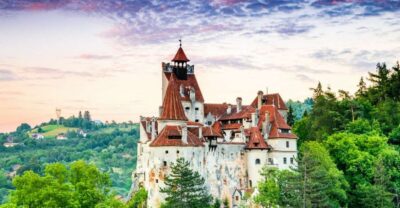
Dracula’s Castle, Peles Castle, & Brasov Old Town
Read our review →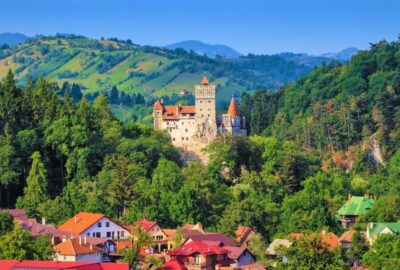
Dracula Castle, Peles Castle & Brasov Old Town
Read our review →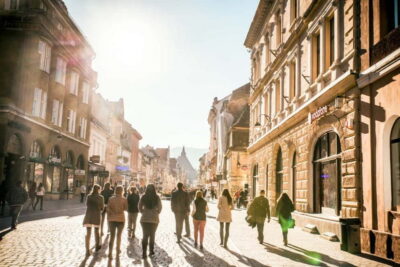
Dracula’s Castle, Peleș Castle & Brașov Day Trip
Read our review →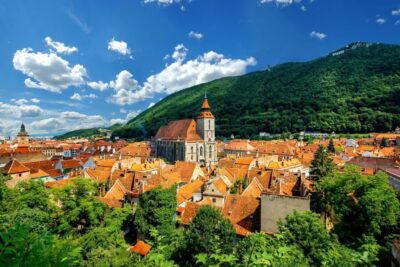
Day Trip to Dracula Castle, Peles Castle & Brașov
Read our review →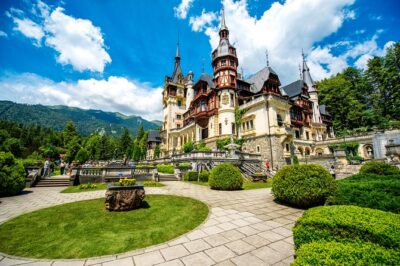
Bucharest to Dracula Castle, Peles Castle and Brasov Guided Tour
Read our review →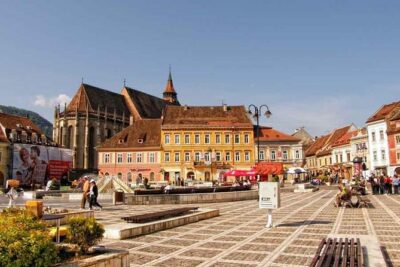
Dracula’s Castle, Peles Castle and Brasov Day Trip from Bucharest
Read our review →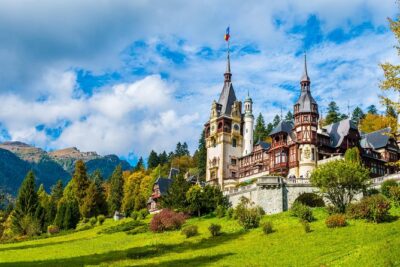
Transylvania and Dracula Castle Full Day Tour from Bucharest
Read our review →
Browse the lists this tour appears in