
Reviewed · BRASOV AND TRANSYLVANIA DAY TRIPS FROM BUCHAREST
A Journey Back in Time: Countryside from Transylvania and Maramures – 15 Days
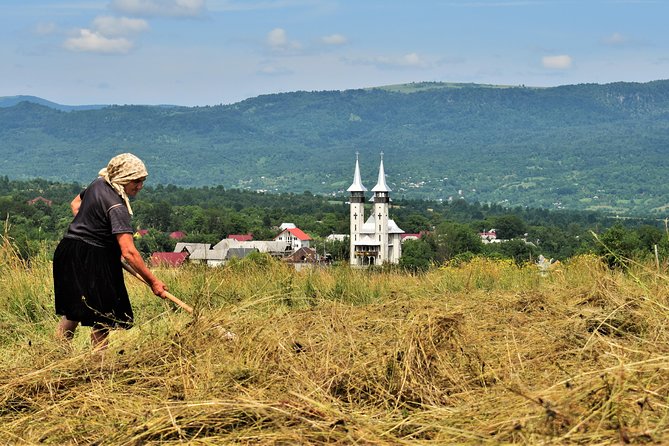
Romania’s best moments often come far from its headline sights. This private journey links Saxon villages, wooden churches, mountain roads, and family-run village stays into one long sweep from Bucharest to Maramures. You get Bran Castle and Peles, but also Alma Vii, Malancrav, Breb, and other places where daily life still feels tied to local customs.
I like the personal scale and the way the trip makes room for food and village life, not just monuments. I also like having George as your driver-guide, since he can explain the difference between Dracula folklore and the real story of Bran Castle while handling the long road days. The main drawback is the pace: this is a 14-day itinerary sold as a 15-day tour, with several long drives and changing accommodations.
Key points to know before booking
- Private travel with George: Your group has its own driver-guide, escort, vehicle, and route rather than joining a large coach.
- Traditional village stays: You spend nights in Fundățica, Viscri, Malancrav, Breb, and Rimetea, including an old Saxon house in Malancrav.
- Romania beyond Dracula: Peles Castle, Biertan, Alba Iulia, Corvin Castle, wooden churches, and remote villages fill out the story.
- Four nights in Breb: This gives you time to slow down in Maramures instead of rushing through it as a day trip.
- Seasonal Transfagarasan plans: From July 1 through October 31, the road is driven by car. At other times, the itinerary uses a cable car for mountain views.
- Meals and admissions included: Breakfast is provided throughout, along with 12 dinners and most listed entrance tickets.
Why this route feels different from a standard Romania tour
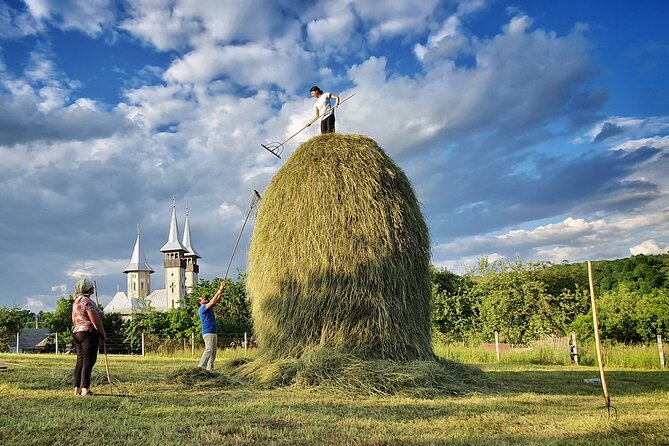
A typical first visit to Romania can become a string of castles and city squares. This route does include the famous stops, but its real character comes from the overnight villages. You are not simply stopping for a photograph before returning to a city hotel. You spend time in places such as Viscri, Malancrav, and Breb, where the setting and food are part of the experience.
That matters because Romania’s rural traditions are not easy to understand from a museum display alone. Walking a village street, eating a traditional meal, and sleeping in an old house give you a clearer sense of how the country’s Saxon and Maramures cultures developed.
The tour begins and ends in Bucharest, with pickup and drop-off arranged for your group. Transport is by air-conditioned minivan or private vehicle. That is a practical advantage in a country where the route covers many mountain and rural roads, and where independent planning would require several separate transfers.
The listed price is $4,585.57 per person. That is a substantial fare, but it includes private transport, a driver-guide, accommodation, 15 breakfasts, 12 dinners, and most admission fees. You are paying for the long-distance logistics as much as the sightseeing. For two or more people who value convenience and a fixed route, the price can make sense. Solo visitors cannot book this experience alone because at least two people are required.
More Brasov and Transylvania day trips from Bucharest:
- Bucharest: Dracula’s Castle, Peles Castle, & Brasov Old Town
★ 4.5 · 17,858 reviews - Bucharest: Dracula Castle, Peles Castle & Brasov Old Town
★ 4.6 · 10,891 reviews - Bucharest: Dracula’s Castle, Peleș Castle & Brașov Day Trip
★ 4.5 · 5,919 reviews
Bucharest to Peles Castle and the mountain villages
Day one is a three-hour walking tour of Bucharest. It is a useful start rather than an overloaded city day, giving you time to see the main sights before the countryside portion begins. Since the tour is private, the pace can be adjusted to your group, though the supplied plan does not list specific Bucharest monuments.
The next morning takes you to Sinaia and Peles Castle, the former summer residence of Romania’s royal family. Two hours is enough for a proper visit without turning the palace into a rushed photo stop. Afterward, the route heads toward Fundățica, a mountain village where you spend two nights.
Fundățica is one of the places that gives this tour its rural flavor. The plan allows eight hours there, with time for the scenery and village setting rather than a quick stop between attractions. The tradeoff is simple: remote villages are rewarding because they are quiet and less polished, but they can also feel slow if you prefer a packed schedule of major monuments.
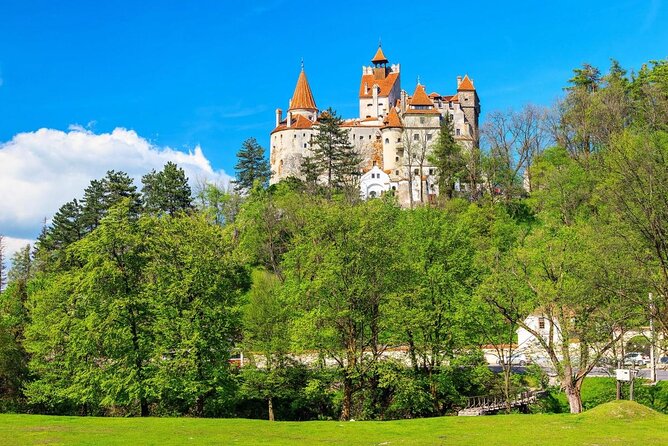
Day three brings three contrasting stops. Bran Castle takes about an hour. The guide’s role matters here because the Dracula connection is partly fiction, while the castle also has its own Romanian royal story. George is described as especially strong at explaining the difference between the legend and the historical record, which helps keep the visit grounded.
You then visit Rasnov Fortress, an 800-year-old citadel, for panoramic views and a garden area. The final stop is Libearty Bear Sanctuary in Zarnesti, where around 80 bears live in a forested setting. This adds a nature and animal welfare element to a day otherwise focused on medieval sites.
Viscri, Sighisoara, and the Saxon villages
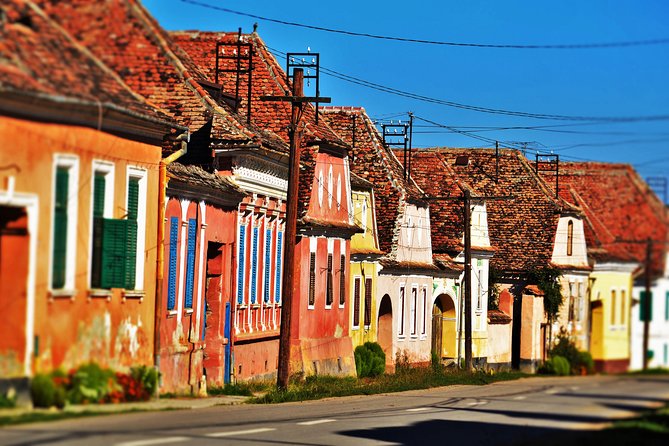
Viscri gets a full day and one overnight stay. The village is known for its Saxon character, fortified church, traditional food, and association with Charles, Prince of Wales. You have time to walk the streets and see how the village is arranged, rather than treating the church as an isolated attraction.
The route then moves to Sighisoara, one of Europe’s last inhabited medieval citadels and a UNESCO World Heritage site. Three hours gives you time to walk its historic center and appreciate its unusual quality: this is not only a preserved monument but also a living town.
After Sighisoara, you spend two nights in Malancrav in a traditional old Saxon house. This is one of the most distinctive lodging choices on the trip. It also means you should be comfortable with a more rural style of accommodation. The material provided does not describe room facilities, so ask for details before booking if private bathroom arrangements or modern amenities matter to you.
Malancrav’s 700-year-old fortified Lutheran church anchors the stay. The village is less famous than Sighisoara, and that is exactly its appeal. You get more time to notice the small details of Saxon settlement design, local food, and the quiet rhythm of a remote community.
Day six is packed with fortified churches. Biertan, another UNESCO World Heritage site, receives about an hour. Valea Viilor, also a UNESCO site, receives 45 minutes. Alma Vii adds two hours and a traditional lunch in a remote Saxon village.
The timing is workable, but keep your expectations realistic. You will see several important churches in one day, yet you will not have endless time at each one. If you prefer slow photography, long conversations, or detailed architectural study, ask George in advance where the schedule has flexibility.
Cluj and four nights in Maramures
Cluj-Napoca provides a two-hour walking tour on the way north. As Transylvania’s largest city, it offers a useful contrast to the fortified villages. You see a more urban side of the region before entering Maramures.
The day continues to Surdesti, home to one of Maramures’ tallest wooden churches. The visit lasts about 45 minutes, so the stop is focused, but it introduces the timber architecture that becomes a major theme of the next several days.
Then comes Breb, your base for four nights. I consider this one of the smartest choices in the whole route. Maramures can feel rushed when treated as a quick northern detour. Four nights let you walk the village, eat local food, and have one relaxed day without packing and unpacking every morning.
Day eight links three important Maramures sights. At Merry Cemetery in Sapanta, painted grave markers present death through colorful scenes and plain-spoken verses. The result is unusual without being merely quirky. It shows a local way of facing loss with humor, memory, and visual storytelling.
Desesti brings another wooden church, described as the best preserved in Maramures and around 250 years old. It sits in a beautiful cemetery, so the setting is part of the visit. Barsana Monastery then offers a very different style, with its Orthodox religious buildings and polished grounds.
Day nine is reserved for the Mocanita Maramures railway. The six-hour ride uses an old train pulled by steam locomotives. This is one of the longer single activities on the schedule, but it gives the trip a change of pace after several church and village visits. Train enthusiasts will be especially pleased, while anyone who dislikes long rides should take the duration seriously.
Day ten is deliberately light. You can walk Breb and enjoy the village without another major attraction on the clock. That free time is valuable after the long railway day and is one reason the four-night stay works better than a hurried overnight visit.
Same city, a completely different sort of day:
- Bucharest: Palace of Parliament Tickets and Guide
★ 4.3 · 3,182 reviews - Bucharest: Day Trip to Dracula Castle, Peles Castle & Brașov
★ 4.4 · 3,049 reviews - Bucharest to Dracula Castle, Peles Castle and Brasov Guided Tour
★ 4.5 · 2,933 reviews - Bucharest: Palace of Parliament Tickets and Guided Tour
★ 4.4 · 1,877 reviews
Rimetea, Alba Iulia, Corvin Castle, and Sibiu
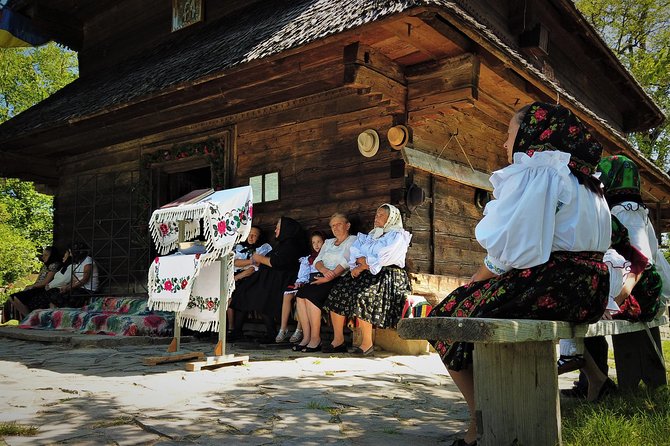
Day eleven takes you toward Rimetea, another village often praised for its beauty. You spend one night there and visit its ethnographic museum. The museum helps put the village’s buildings, tools, clothing, and customs into context, though the listed visit lasts only 45 minutes.
The following day covers a lot of ground. Alba Iulia Citadel is described as Romania’s most important historical site, and the two-hour visit gives you time to understand its place in the country’s story. This is more than a scenic fortress stop, so the guide’s explanations are important.
Corvin Castle follows, with one hour inside Romania’s largest Gothic castle. It was built in the 1400s and has a very different feel from Peles Castle. Peles is a royal residence with ornate interiors, while Corvin is the dramatic medieval fortress of the route.
The day ends in Sibiu, where you take a walking tour of the medieval city. The listed tour lasts one hour, making it a highlights visit rather than a full exploration. Still, Sibiu provides a welcome urban finish after the countryside and castle stops.
The sequence is ambitious. Alba Iulia, Corvin Castle, and Sibiu in one day means substantial time in the vehicle. You gain variety, but you give up the freedom to linger. This is a good example of the tour’s overall style: broad coverage, private comfort, and many sights, with some long days in exchange.
The Transfagarasan and Curtea de Arges
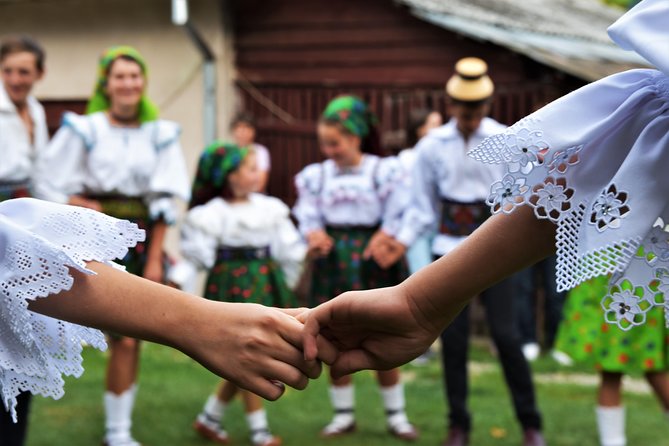
Day thirteen is devoted to the Transfagarasan Highway. From July 1 through October 31, the tour drives the road by car. Outside that period, the plan uses a cable car for mountain views because the highway is closed seasonally.
The exact road experience therefore depends heavily on your travel dates. If driving the Transfagarasan is a major reason for booking, schedule between July and October and confirm current road conditions. The six-hour allocation allows room for mountain scenery and stops, but this is still a full day on the road.
Your final listed sightseeing stop is Curtea de Arges Monastery, visited on the return to Bucharest. The church is around 500 years old and is presented as one of Romania’s finest Orthodox buildings. The visit lasts about 45 minutes, a fitting final stop before the capital.
One detail deserves clarification before you pay: the experience is described as a 15-day tour, while the itinerary lists days one through fourteen and the duration is also shown as approximately 14 days. Ask the operator to confirm the exact number of nights, the final return time, and how the 15 breakfasts relate to the schedule.
What is included, and what still costs extra
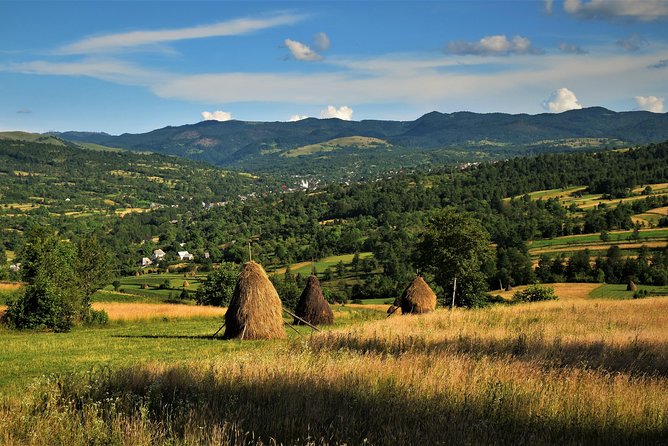
The package includes hotel pickup and drop-off, private round-trip transfers, an air-conditioned vehicle, a driver-guide, a professional guide, and a tour escort or host. It also includes all taxes and handling charges, 15 breakfasts, 12 dinners, and the admission tickets listed for major attractions.
That makes the price easier to assess. You are not just buying sightseeing. You are paying to avoid arranging rural accommodation, finding transport between small villages, locating churches, and managing a route that crosses much of central and northern Romania.
Photo fees are not included. Some attractions are closed on Mondays and public holidays, so your exact dates may affect the order or availability of visits. Confirmation is subject to availability and is provided within 48 hours of booking.
The tour has a top rating from seven submitted assessments, with repeated praise for George’s driving, flexibility, history explanations, and ability to adjust the trip to personal interests. One private group used the experience as a roots journey, while another added wineries to a customized route. Those examples suggest that George can tailor the program, but you should make requests before departure rather than assume every change is automatic.
Who should book this Romanian journey?
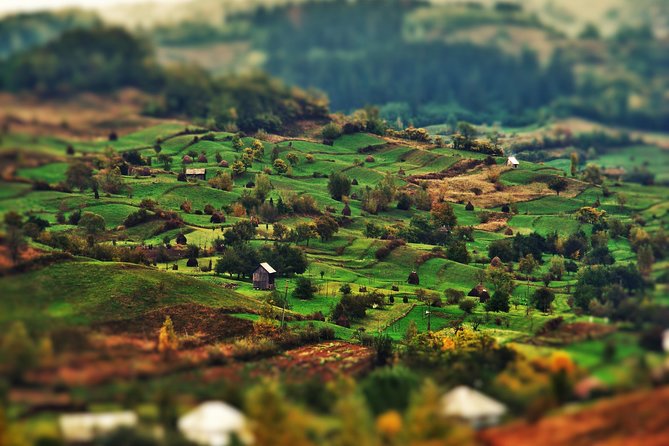
I would recommend it to couples, families, and small groups who want a broad first look at Romania without renting a car. It is particularly good for people who care about village life, religious architecture, traditional meals, and local history as much as famous castles.
It also suits anyone who likes a private guide who can explain context and make small adjustments. George’s role as driver and guide means you have one person managing both the road and the story, and the supplied comments repeatedly praise his calm driving and personal care.
I would hesitate to recommend it to someone who wants a relaxed luxury holiday, a fixed hotel base, or only famous attractions. You change locations often, spend long periods in the vehicle, and stay in traditional village accommodation. The route also demands flexibility around weather, road access, church hours, and the seasonal Transfagarasan schedule.
The cancellation rule is strict: the experience is non-refundable and cannot be changed for any reason. Check your dates, group size, road-season plans, and accommodation expectations carefully before booking.
FAQ
How long is the tour?
It is promoted as a 15-day tour, but the supplied schedule lists days one through fourteen and describes the duration as approximately 14 days. Confirm the exact length with Touring Romania before booking.
Where does the tour begin?
The tour begins in Bucharest, Romania, with hotel pickup offered.
What time does the tour start?
The stated start time is 9:00 am.
Is this a private tour?
Yes. Only your group participates, and a minimum of two people is required per booking.
Who guides the tour?
The experience includes a driver-guide, professional guide, and tour escort or host. George is identified in the supplied information as the main guide and driver associated with the experience.
Are meals included?
Yes. Breakfast is included throughout the tour, listed as 15 breakfasts, along with 12 dinners.
Is transportation included?
Yes. Private round-trip transfers, hotel pickup and drop-off, and transport in an air-conditioned minivan or private vehicle are included.
Is the Transfagarasan Highway open all year?
No. The stated road season is July 1 through October 31. Outside that period, the itinerary uses a cable car for mountain views.
Are entrance tickets included?
Most listed admission tickets are included, including Peles Castle, Bran Castle, Rasnov Citadel, the bear sanctuary, fortified churches, the Mocanita train, Alba Iulia Citadel, Corvin Castle, and the Transfagarasan activity.
Are photo fees included?
No. Photo fees are specifically excluded.
Should you book it?
Book this tour if you want Romania’s famous sights tied to real time in rural communities. The strongest parts are the two nights in Fundățica, the overnight in Viscri, two nights in Malancrav, and four nights in Breb. Those stays turn a sightseeing route into a cultural journey.
Before committing, confirm the 14-day versus 15-day schedule, ask about the exact traditional accommodations, and choose dates carefully if the Transfagarasan drive matters to you. If you are comfortable with long road days and a changing bed, this is a strong way to see far more of Romania than a standard city-and-castle trip.
Newest Bucharest trips we have written up
- Bucharest: Dealu Mare Winery Private Trip with Wine Tasting★ 4.9 · 6 reviews
- Winery touring & private wine tasting – one day private tour★ 5.0 · 3 reviews
- Traditions in Bucharest: Village Museum and Wine Tasting★ 5.0 · 8 reviews
- Your rendez-vous with Europe’s past: time-travel to Maramures, Transylvania★ 5.0 · 6 reviews
- Village Museum Bucharest Guided Tour★ 5.0 · 6 reviews
- Private Wine Tasting at Bucharest’s First Wine Bar★ 5.0 · 3 reviews
- Walking Tour of Bucharest City Center – Private Tour★ 5.0 · 4 reviews
- Wine tasting in Bucharest Old town – bonus cheese platter★ 4.5 · 6 reviews
Brasov and Transylvania Day Trips from Bucharest, compared.
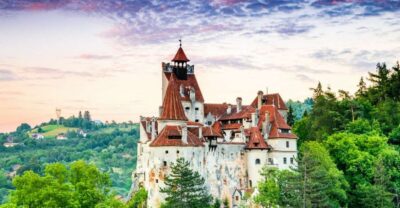
Dracula’s Castle, Peles Castle, & Brasov Old Town
Read our review →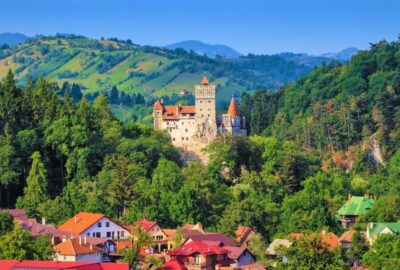
Dracula Castle, Peles Castle & Brasov Old Town
Read our review →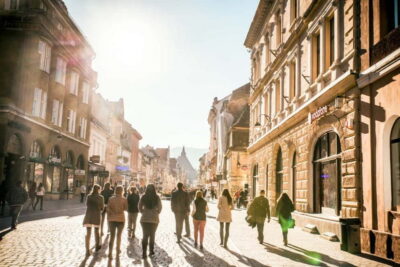
Dracula’s Castle, Peleș Castle & Brașov Day Trip
Read our review →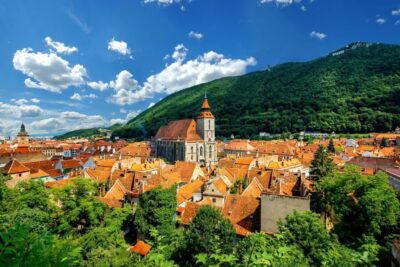
Day Trip to Dracula Castle, Peles Castle & Brașov
Read our review →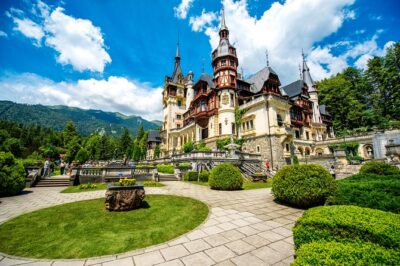
Bucharest to Dracula Castle, Peles Castle and Brasov Guided Tour
Read our review →
Dracula’s Castle, Peles Castle and Brasov Day Trip from Bucharest
Read our review →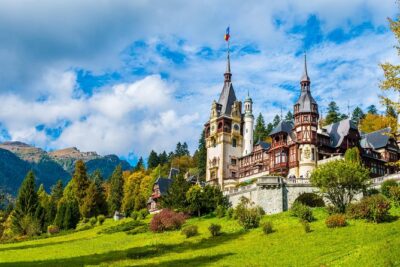
Transylvania and Dracula Castle Full Day Tour from Bucharest
Read our review →
Browse the lists this tour appears in