
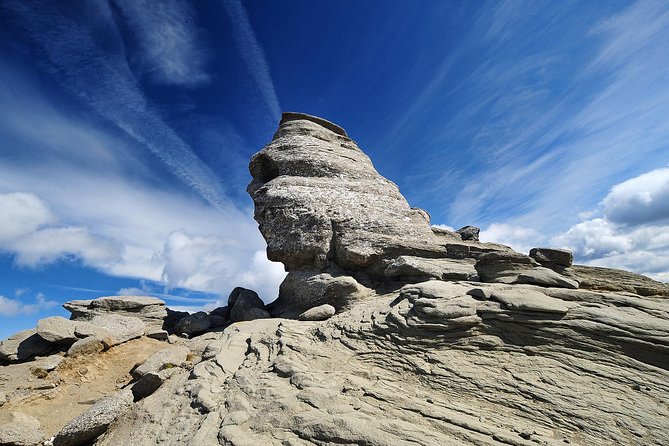
Reviewed · 7-DAY EXPERIENCES
Amazing Romania – Seven day private tour from Bucharest
Romania reveals its best sides on the road: Vlad the Impaler’s mountain fortress, Saxon villages with bread ovens and fortified churches, and the high roads of the Carpathians. This private tour gives you a driver, guide, hotels, entrance fees, and several meals, so you can focus on the country rather than the logistics.
I like the mix of famous sights and working rural life. You get Peles Castle and Bran Castle, but also help on a family farm, bake Saxon bread, meet people who chose to live in Romania, and visit the Libearty bear sanctuary. I also like the private format, since guides such as Emil, Laurentiu, also called Max, and Cristi have been praised for bringing local history and customs to life.
The main caution is the tour description itself. It says seven days, yet the overview refers to 11 days and 10 nights. The inclusions list six hotel nights, six breakfasts, four dinners, and three lunches, while each listed day is described as about six hours. Confirm the exact schedule, hotels, meals, and route before paying.
What makes this Romanian tour worth considering
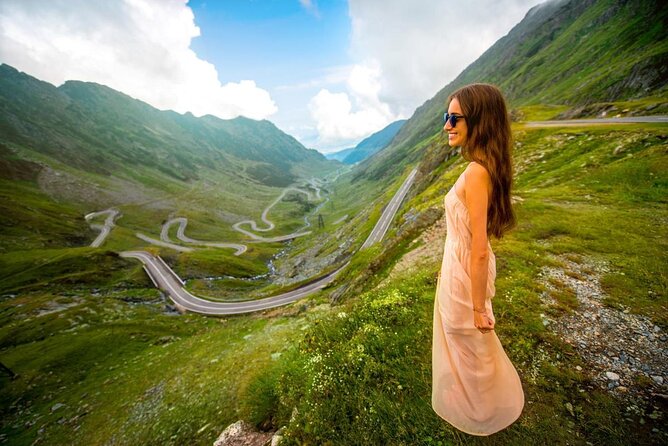
- Poenari Citadel requires 1,480 stone steps, so the Dracula connection comes with a real climb.
- The Transfagarasan Highway brings mountain views and winding roads, with weather affecting access.
- Saxon culture is hands-on, including bread baking, farm work, and a visit to Biertan’s fortified church.
- Carpathian wildlife is part of the plan, with wild animal tracking and a stop at Libearty Bear Sanctuary.
- Peles Castle and Bran Castle provide two very different royal and Dracula-themed experiences.
- Private touring keeps the pace personal, with a modern vehicle, an English-speaking guide, and pickup included.
Bucharest begins with Old Town and a private welcome
Your guide and driver meet you on arrival and transfer you to a centrally located boutique hotel. The first day includes time in Bucharest’s Old Town, a useful introduction to a capital built from sharp contrasts.
The city’s name is linked in local tradition to bucurie, meaning joy. Another founding story connects Bucharest with Mircea the Elder, a prince of Wallachia who defeated the Turks and established the city. These legends help explain the tone of the opening walk: part history lesson, part orientation, and part introduction to Romanian identity.
I like starting in the Old Town because it gives you a feel for Bucharest before the long drives begin. The six-hour day is not simply a transfer. It gives you time to settle in, ask questions, and get a first look at the country with your own guide.
The centrally located hotel also matters. You can spend your free time close to the city center rather than being left on the outskirts. The exact hotel category is listed as three-star, with en suite rooms, so expect practical comfort rather than luxury.
A few more Bucharest trips worth putting side by side
- 7-Day Private Tour of Transylvania from Bucharest
★ 5.0 · 13 reviews - 4×4 Driving Experience at Flying Altitudes – 7 Days
★ 5.0 · 13 reviews - Transylvanian week
★ 5.0 · 7 reviews
Poenari and the Transfagarasan make day two active
Day two is the tour’s first big test of fitness. After breakfast, you climb the 1,480 stone steps to Poenari Citadel, a fortress connected with Vlad the Impaler. It is a stronger Dracula stop than a simple photo opportunity because the steep approach gives you a sense of why a mountain stronghold mattered.
You should be comfortable with sustained stairs before choosing this trip. The description calls for moderate physical fitness, and that advice deserves attention. Good shoes, water, and a willingness to climb are more important here than polished clothing.
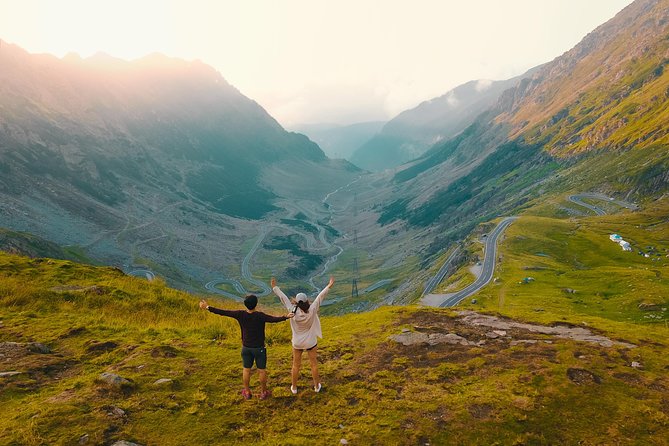
After Poenari, the route follows the Transfagarasan Highway. The road is famous for its high mountain setting and sweeping bends. You can expect forest, steep slopes, and broad views when conditions are good. Bring a camera, but do not treat this as a guaranteed scenic stop in every season. Mountain weather can affect visibility and road access.
The day is listed at about six hours, though road conditions and stops can affect the pace. A private vehicle gives you more flexibility than a large coach, but this is still a driving-focused day. If you prefer slow village walks and long museum visits, this portion may feel rushed. If mountain roads and dramatic scenery appeal to you, it is one of the tour’s strongest sections.
Transylvania becomes personal on the farm
Day three shifts away from castles and toward daily life. You learn about Transylvanian food, bake Saxon bread, and visit a local family’s animal farm and organic garden. You may help with housekeeping and feeding the animals, making this more active than a standard village visit.
This is the kind of experience that gives a tour its character. Medieval churches and fortresses explain the past, but a family farm shows how rural traditions continue. The Saxon communities shaped much of Transylvania’s food and village design, and bread is a practical way to connect with that culture.
The farm visit may appeal especially to families and people who want contact with local life. It is less suitable if you want every stop to be a formal attraction with a polished presentation. The value comes from participation, not spectacle.
The day is again described as around six hours. Breakfast is included, and the wider package includes three lunches and four dinners, but not every meal is included. Ask which day includes which meal, and budget for drinks and any food not named in the final schedule.
Biertan and Sighisoara show the Saxon past
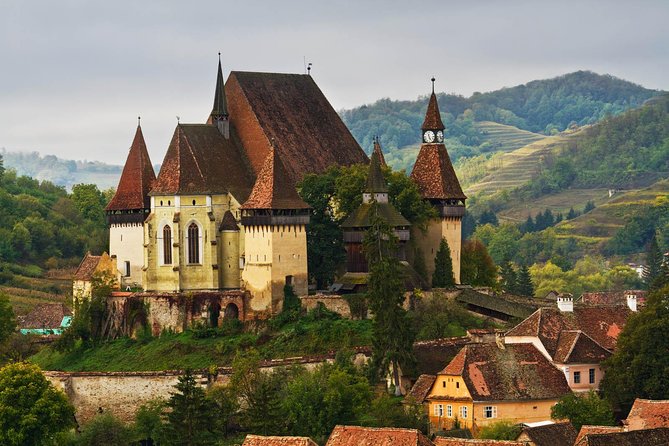
Day four focuses on cultural sites, including Biertan Fortified Church, a UNESCO World Heritage Site. The church was fortified during the Middle Ages, and its defensive design reflects the unsettled conditions of that period.
Biertan is known for its unusual marriage-related room, often described as a place where couples with serious problems could be confined together. The story is memorable, but the wider point is more useful: this was a community organized around religion, defense, farming, and strict social order.
The village layout also deserves attention. Saxon settlements commonly placed rows of houses around a central square, with a compact urban plan that feels different from the scattered villages elsewhere in Romania. Look closely at the houses and gates rather than rushing straight to the church.
Sighisoara adds another layer. Its historic center is one of Transylvania’s best-known medieval areas, with steep streets, old buildings, and a strong connection to Vlad the Impaler’s legend. This is a day for walking, so comfortable shoes will help.
The tour combines the major sight with smaller details, which I consider a good use of private guiding. Your guide can explain how the fortified church, village plan, and local traditions fit together instead of treating each stop as an isolated monument.
Same city, a completely different sort of day:
- Bucharest: Dracula’s Castle, Peles Castle, & Brasov Old Town
★ 4.5 · 17,858 reviews - Bucharest: Dracula Castle, Peles Castle & Brasov Old Town
★ 4.6 · 10,891 reviews - Bucharest: Dracula’s Castle, Peleș Castle & Brașov Day Trip
★ 4.5 · 5,919 reviews - Bucharest: Palace of Parliament Tickets and Guide
★ 4.3 · 3,182 reviews
Rupea and Saschiz connect history with modern life
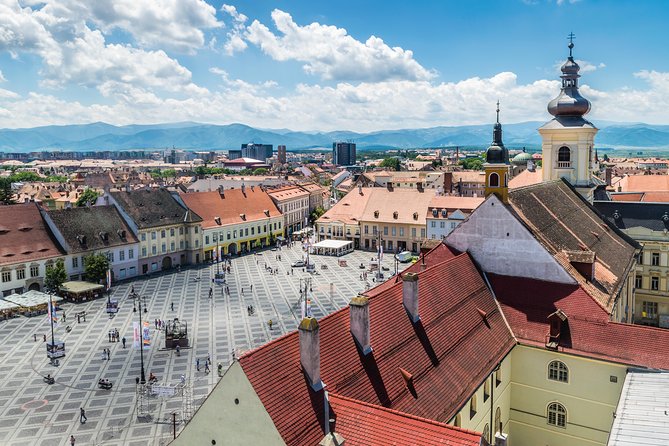
Rupea Citadel is one of the oldest fortifications in Brasov County. Its three courts were built and expanded between the 13th and 17th centuries, partly because the local population grew. The fort served both as a defensive stronghold and as an administrative center for the Saxon settlement.
Its position gives you broad views over the village and surrounding countryside. The site is not only about walls and towers. It shows how regional power worked, how settlements protected themselves, and how fortifications changed over time.
After Rupea, you continue to Saschiz, where the focus turns to people who have chosen to make Romania their home and who have worked on local projects. This brings a modern question into the trip: how do small communities keep going when old industries and rural habits change?
That human focus is a welcome counterpoint to Dracula stories. You are not only looking backward at medieval Romania. You are also meeting people connected with its present-day life.
The day includes breakfast, with other meals depending on the final arrangement. Since the tour advertises three workshops and a wine tasting, confirm whether the Saschiz visit includes one of those activities or whether it takes place elsewhere.
Bears, Brasov, and a walk above the city
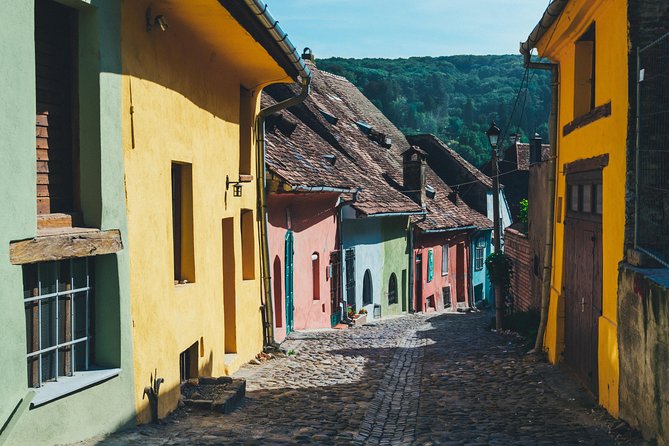
Day six begins with the natural side of Transylvania. Romania’s Carpathians support large populations of bears and wolves, along with lynx, deer, wild boar, and chamois. The tour includes wild animal tracking and a visit to Libearty Bear Sanctuary in Zarnesti.
Libearty is a strong choice for anyone interested in animal welfare. It gives the wildlife portion of the tour a clear purpose, rather than reducing bears to a quick roadside sighting. You should still expect a structured visit, not a promise of seeing wild animals on demand.
Later, you head toward Brasov and climb Tampa Mountain in the natural reservation above the city. The climb adds another physical element to the program. It may be modest compared with Poenari’s staircase, but together the walks make comfortable footwear essential.
Brasov itself is one of the most attractive urban stops in the route. Its central setting in Transylvania makes it a natural base for understanding the region’s mixture of Romanian, Saxon, and other influences. The private format helps here because your guide can adjust the explanation to your interests instead of giving a fixed speech to a large group.
The exact amount of walking depends on the group and conditions. Tell the guide early if someone needs a slower pace. Past guides named in the tour’s guest feedback include Emil, Laurentiu, also called Max, and Cristi, all praised for adapting to individual needs and explaining Romanian history clearly. Your assigned guide may be different, so request a name and contact before departure.
Bran Castle and Peles Castle finish with two kinds of grandeur
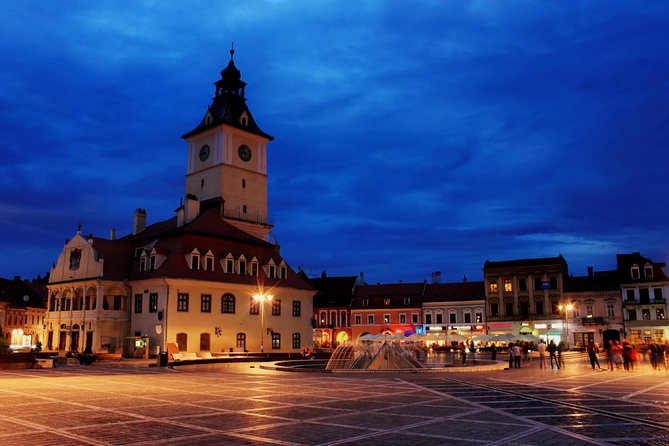
The final listed day follows the Dracula trail to Bran Castle. Its popular name, Dracula’s Castle, attracts many visitors, but the real value is seeing how modern legend has been attached to a historic fortress. Go for the setting and the story, but keep your expectations realistic: the castle is not a literal home of a vampire.
The route then continues to Sinaia and Peles Castle, the former residence of Romania’s royal family. Peles offers a sharp contrast with Bran. Instead of a defensive medieval fortress tied to vampire fiction, you see a royal residence connected with the Hohenzollern-Sigmaringen dynasty and Europe’s royal families.
I particularly like this pairing because it separates myth from monarchy. Bran is about storytelling, mountain passes, and Dracula’s shadow. Peles is about royal taste, architecture, and Romania’s place among European dynasties.
Entrance fees are included, which makes the day easier to budget. Photography fees are not included, so check the rules before taking pictures inside. The route is full enough that you should not expect a slow, open-ended visit at both castles.
Meals, hotels, and the value of a private vehicle
The advertised price is $2,930.18 per person. That is a serious sum for seven days, but the package includes airport transfers, six hotel nights, a private vehicle, a professional English-speaking guide, entrance fees, wildlife tracking, three workshops, a wine tasting, six breakfasts, three lunches, and four dinners.
The price makes more sense for a couple, family, or small group that values privacy and convenience. You are paying for more than sightseeing tickets. You also get route planning, driving between scattered sites, local interpretation, and a vehicle that does not have to follow a large group’s schedule.
It is less compelling if you mainly want Bucharest, Brasov, and a few castles. You could spend less with independent transport and fewer included services. This tour earns its price through the remote stops, rural activities, and time saved arranging a complex route.
The accommodation is described as centrally located three-star hotels with en suite rooms. That means practical bases, not palace hotels. The supplied details conflict on the number of nights, so get the final hotel list in writing.
All alcoholic drinks, unlisted meals, room service, personal calls, souvenirs, travel insurance, airline tickets, and photography fees are extra. Those costs can add up, especially on a private trip.
Who should book this Romania itinerary
I would recommend this tour to you if you want Romania’s main themes in one package: Dracula legends, Saxon villages, royal architecture, mountain roads, wildlife, food, and village life. It suits people who prefer a private guide and vehicle over trains, buses, and self-drive planning.
It is also a good fit for small groups with mixed interests. One person can focus on churches and history, another on food and farm life, and another on bears and mountain views. The guide can shape the conversation around the group.
You should think twice if you dislike long drives, steep climbs, or an active schedule. Poenari requires 1,480 steps, Tampa Mountain involves a climb, and the seven listed days each run about six hours. The program is broad, not leisurely.
The private format is a major advantage. Past guide names connected with this experience include Emil, Laurentiu, also called Max, and Cristi. They have been praised for attentive service, strong storytelling, and care with individual needs. Still, do not assume one of them will lead your departure. Ask who your guide will be.
Should you book Amazing Romania?
Book it if you want a guided introduction that reaches beyond Bucharest and the standard castle circuit. The farm work, Saxon bread workshop, wildlife tracking, bear sanctuary, and meetings with local people give the trip more substance than a string of photo stops.
Before booking, confirm the basic facts that do not line up: seven days versus 11 days, six nights versus 10 nights, and the exact meal plan. If the final plan really delivers seven days with the listed inclusions, this is a strong choice for a private first visit to Romania.
If you want a slower trip, more free time, or higher-end hotels, ask for a revised version. If you want variety, local contact, and a guide who can connect Romania’s legends with its everyday life, the route offers good value.
FAQ
How long is the tour?
The experience is presented as a seven-day private tour, with each listed day taking about six hours. The overview also refers to 11 days and 10 nights, so confirm the final duration before booking.
Where does the tour start?
The tour starts in Bucharest, Romania, with airport pickup and transfer to a centrally located boutique hotel.
Is this a private tour?
Yes. Only your group participates, and transportation is provided in a modern vehicle.
Is an English-speaking guide included?
Yes. A professional English-speaking guide is included. Names connected with past departures include Emil, Laurentiu, also called Max, and Cristi, but your assigned guide is not specified.
How many hotel nights are included?
The inclusions list six nights in centrally located hotels. The wider tour description mentions 10 nights, so ask for written confirmation of the exact accommodation plan.
Are meals included?
Six breakfasts, three lunches, and four dinners are included. Meals not mentioned, alcoholic drinks, and other personal purchases are extra.
How fit do I need to be?
You need a moderate level of physical fitness. The visit to Poenari Citadel involves climbing 1,480 stone steps, and the itinerary also includes a climb on Tampa Mountain.
Are entrance fees included?
Yes, entrance fees are included. Photography fees are not included.
Can I cancel for a full refund?
You can cancel at least 24 hours before the experience starts for a full refund. Cancellations or changes made less than 24 hours before the start time are not accepted for a refund.
Newest Bucharest trips we have written up
- Bucharest: Dealu Mare Winery Private Trip with Wine Tasting★ 4.9 · 6 reviews
- Winery touring & private wine tasting – one day private tour★ 5.0 · 3 reviews
- Traditions in Bucharest: Village Museum and Wine Tasting★ 5.0 · 8 reviews
- Your rendez-vous with Europe’s past: time-travel to Maramures, Transylvania★ 5.0 · 6 reviews
- Village Museum Bucharest Guided Tour★ 5.0 · 6 reviews
- Private Wine Tasting at Bucharest’s First Wine Bar★ 5.0 · 3 reviews
- Walking Tour of Bucharest City Center – Private Tour★ 5.0 · 4 reviews
- Wine tasting in Bucharest Old town – bonus cheese platter★ 4.5 · 6 reviews
7-Day Experiences, compared.
4×4 Driving Experience at Flying Altitudes – 7 Days
Read our review →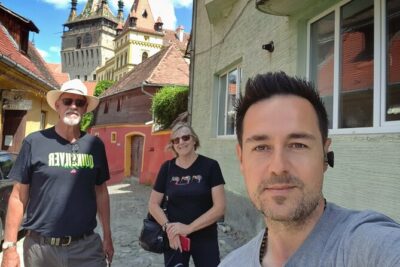
7-Day Private Tour of Transylvania from Bucharest
Read our review →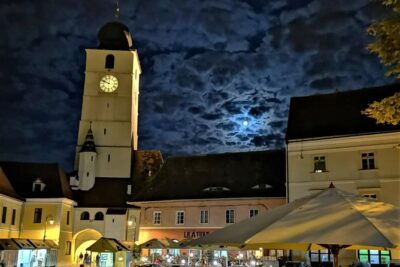
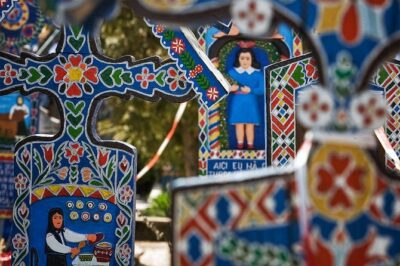
7 days Private Romania Grand Tour from Bucharest
Read our review →
7 Days Private Guided Tour in Romania from Bucharest
Read our review →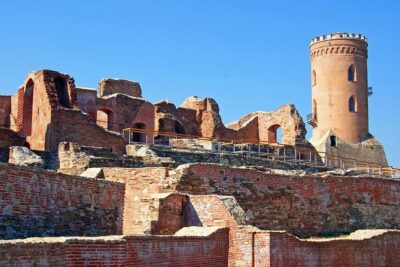
7-Day Dracula Tour in Romania from Bucharest including ‘The Ritual of Killing of a Living Dead’
Read our review →Browse the lists this tour appears in