
Reviewed · BUCHAREST
Bucharest: The Italian emigration in Romania
Bucharest’s Italian story is hiding in plain sight. This two-hour walk follows Italian influence through the old center, from the Palace of Justice beside the Dambovita River to the CEC Palace, Revolution Square, the Athenaeum, and the Italian Church. I like the clear focus on one overlooked part of the city’s past, and I like that the route also covers Bucharest’s best-known avenue, Victory Road. The main drawback is practical: the office meeting point can be hard to spot, so confirm exactly where your guide will meet you.
I also like the small-group feel suggested by the personal guiding, and the chance to ask questions in Italian throughout the walk. Daniel, one guide named in the feedback, was punctual, friendly, informative, and willing to adjust the start for a hotel pickup. That sort of flexibility may not be guaranteed, though, so treat it as a helpful possibility rather than a standard feature.
Key points
- Italian immigration is the central theme: Learn how Italian arrivals in the late 18th and early 19th centuries affected Bucharest’s buildings, institutions, and urban development.
- Victory Road links the main sights: Walk one of Bucharest’s most important avenues while connecting the National History Museum, CEC Palace, Revolution Square, Athenaeum, and Italian Church.
- The route begins beside the Dambovita River: Meet near Piata Natiunile Unite, cross the river, and enter the old central district on foot.
- The tour is conducted in Italian: A live local guide leads the walk and answers questions as you go.
- It ends in the Old Town: You finish with a short recap of Italian influence in Bucharest and Romania.
- Allow extra care at the meeting point: The office is at Bulevardul Natiunile Unite 4, but the stated meeting spot is Piata Natiunile Unite, about 100 meters away.
Why Bucharest’s Italian story is worth two hours
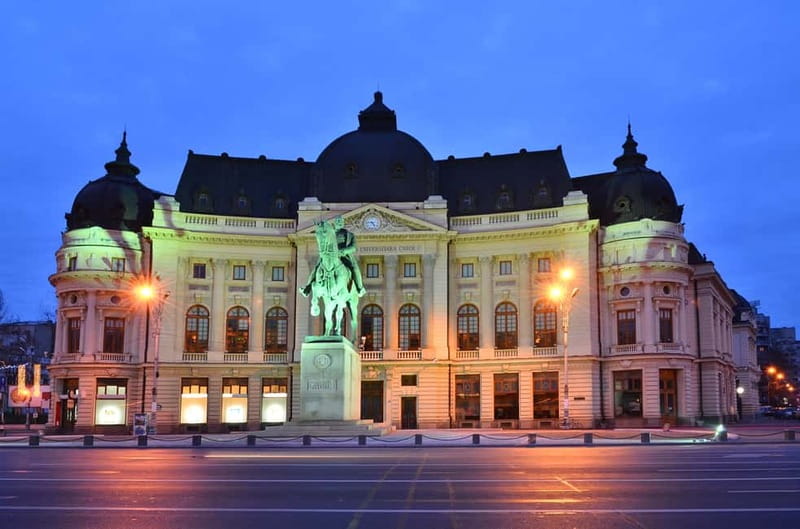
Most first visits to Bucharest focus on grand avenues, old churches, communist-era landmarks, and the lively center. This walk gives you a narrower lens: the part played by Italian immigration in the city’s development during the late 18th and early 19th centuries.
That focus makes the route more useful than a simple checklist of buildings. You are not only looking at facades. You are being asked to notice where Italian influence appears in Bucharest’s architecture and civic life, and how newcomers helped shape the city during an important period of change.
The subject is especially practical for anyone who enjoys architecture or local history but has only a short time in the capital. Two hours is enough to see several major sights without turning the outing into an exhausting full-day commitment. You also finish close to the Old Town, where you can continue exploring on your own.
The guide speaks Italian, so this is best suited to Italian-speaking visitors or anyone comfortable following a historical walking tour in Italian. If you need English, another language, or multilingual commentary, confirm availability before booking.
Other Bucharest Old Town trips people line up next to this one:
- Bucharest: Dracula’s Castle, Peles Castle, & Brasov Old Town
★ 4.5 · 17,858 reviews - Bucharest: Dracula Castle, Peles Castle & Brasov Old Town
★ 4.6 · 10,891 reviews - Bucharest: Peles Castle, Bran Castle, & Brasov Old Town Tour
★ 4.5 · 1,035 reviews
Starting beside the Dambovita River
The official office is Transylvanian Wonders on Bulevardul Natiunile Unite 4, Bloc 107/A. The meeting point, however, is Piata Natiunile Unite, about 100 meters from the office. That distinction matters.
One piece of feedback describes difficulty finding the office because there were no clear signs and no guide was present at the expected time. A separate note says the group meets in Piata Natiunile Unite, not necessarily inside the office itself. I would arrive early, keep the provider’s contact details handy, and make sure you know whether your guide is waiting in the square or at the office entrance.
Once everyone is together, the walk begins by crossing the Dambovita River. This is a good opening because it gives you a simple sense of place. The river separates the starting area from the old central streets, and the crossing marks the move from meeting point to tour route.
You will be on foot for the full two hours. Wear comfortable shoes and clothing suited to the weather. There is no indication of transport between stops, so plan for a steady urban walk rather than a sightseeing ride.
The Palace of Justice and the first look at central Bucharest
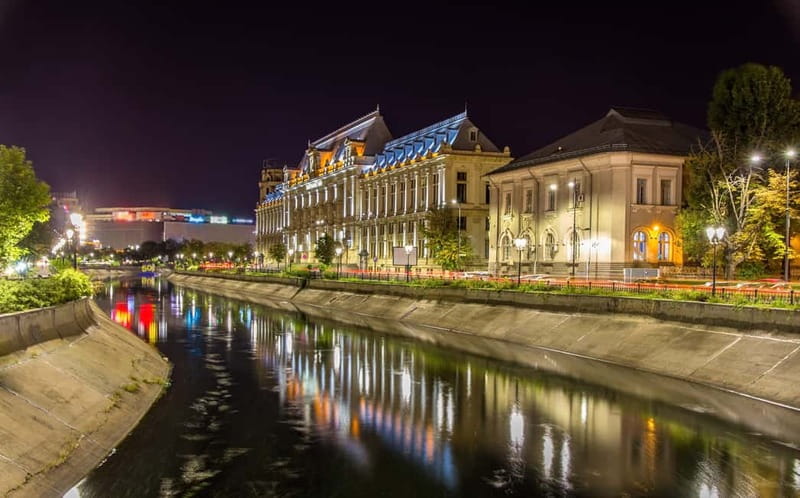
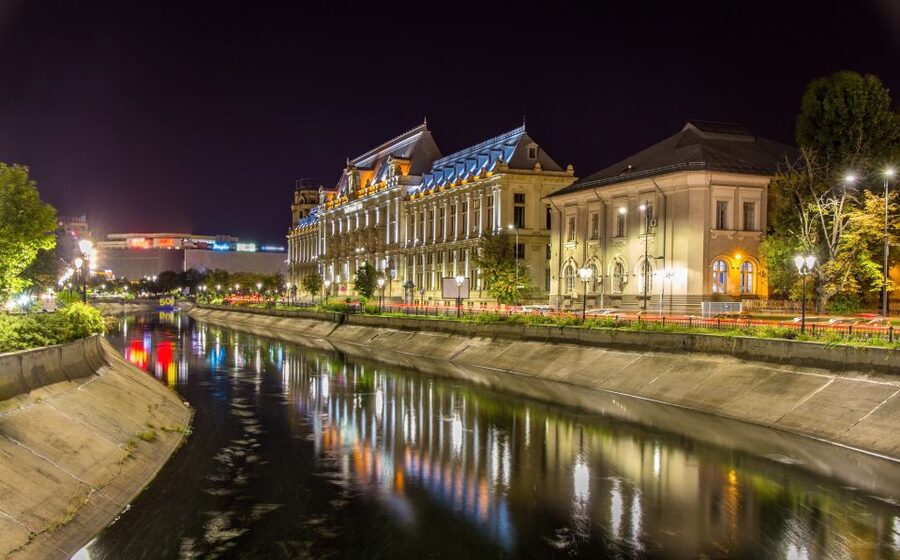
The Palace of Justice is one of the first major sights on the route. Its position beside the Dambovita makes it an easy landmark to understand geographically, and it gives the guide a strong place to begin discussing Bucharest’s public architecture and urban growth.
The value here is not just the building itself. A good guide can use the riverside setting to explain how the center is arranged and how the major civic buildings relate to one another. Since the tour’s subject is Italian influence, listen for the connection between immigration, building work, architectural taste, and the wider development of the city.
The tour does not list an interior visit to the Palace of Justice. Expect to view the building from the outside and hear commentary while walking. That is typical of a compact city walk, but it is worth knowing if you were hoping to go inside several landmarks.
Victory Road, Bucharest’s main urban stage
After the river crossing, the route enters Victory Road. This is the spine of the experience and the place where the tour’s separate themes come together.
The avenue is presented as Bucharest’s most famous street, and the walk follows the traces of Italian immigration along it. You will pass a sequence of important buildings rather than stopping at one single attraction. That format keeps the tour moving and helps you see how architecture, government, banking, culture, and religion all fit into the same city center.
I like this part of the route because you can compare different kinds of public space within a short distance. The street is not being treated as a backdrop for photos alone. Your guide is meant to explain the Italian mark left on the city and the role that Italian arrivals played in Bucharest’s development.
The route includes the National History Museum and the CEC Palace. These are exterior highlights in the stated program, so expect historical explanation and street-level views rather than museum entry or an indoor bank visit.
Same city, a completely different sort of day:
- Bucharest Pub Crawl in the Old Town
★ 5.0 · 462 reviews - Bucharest: Dracula’s Castle, Peles Castle, & Brasov Old Town
★ 4.6 · 229 reviews - Bucharest Essential Tour: Old Town, Calea Victoriei & Communism
★ 5.0 · 142 reviews - Dracula’s Castle, Peles Castle and old town Brasov from Bucharest
★ 4.5 · 121 reviews
CEC Palace and the National History Museum
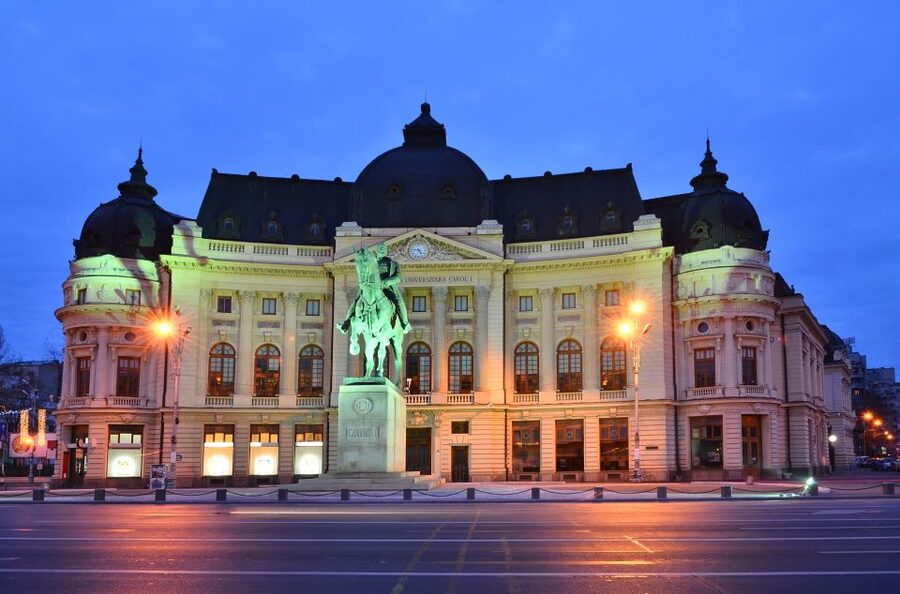
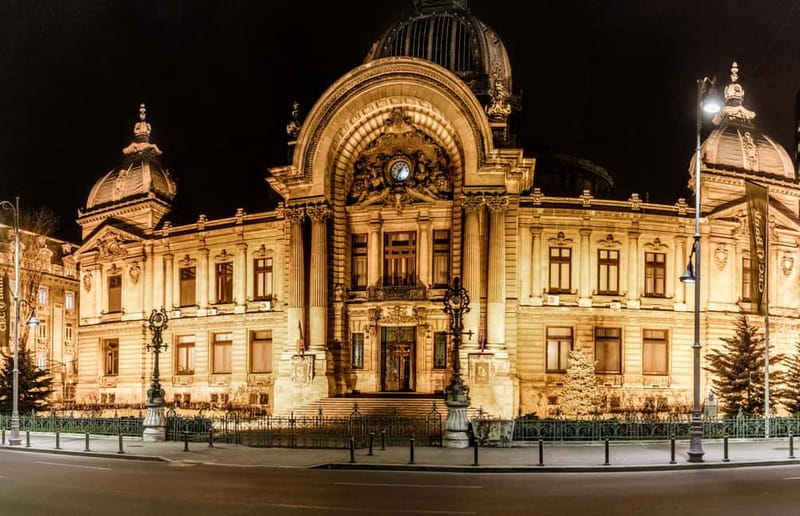
The CEC Palace is one of the tour’s most visually important stops. The building is specifically highlighted, and its location on Victory Road makes it a natural point for discussing Bucharest’s architectural character and civic ambition.
You will want to keep your attention on the details above street level. A walking guide can point out features that are easy to miss when you pass by alone, then place the building within the story of the city’s Italian connections. Since the tour is conducted in Italian, you can ask for clarification as the route moves along.
The National History Museum adds another public institution to the sequence. Even without an interior visit, its presence helps show that Victory Road is more than a shopping or dining street. It is a corridor of national memory, government, finance, and culture.
If you want to spend real time inside the museum, save that for another visit. The two-hour walk is designed to cover several sites, so lingering indoors would likely mean missing later stops.
Revolution Square and the old Senate house
Revolution Square brings a different layer to the walk. The square is tied to Bucharest’s troubled modern history, and the tour includes both the square and the old Senate house.
This stop broadens the experience beyond Italian immigration. You still follow the Italian thread, but you also see the setting in which later political events unfolded. That is useful because Bucharest’s past is not divided into neat sections. A building can carry architectural importance, political meaning, and links to the city’s international development at the same time.
The square is also a practical place to pause and get your bearings. After the succession of buildings along Victory Road, the open space gives you room to understand how the central district fits together.
Again, the program does not promise entry into the old Senate house. Expect an exterior explanation. If you want detailed political history from every period of Bucharest’s past, this walk may feel selective, since its main purpose remains the Italian influence on the city.
The Athenaeum and Italian Church
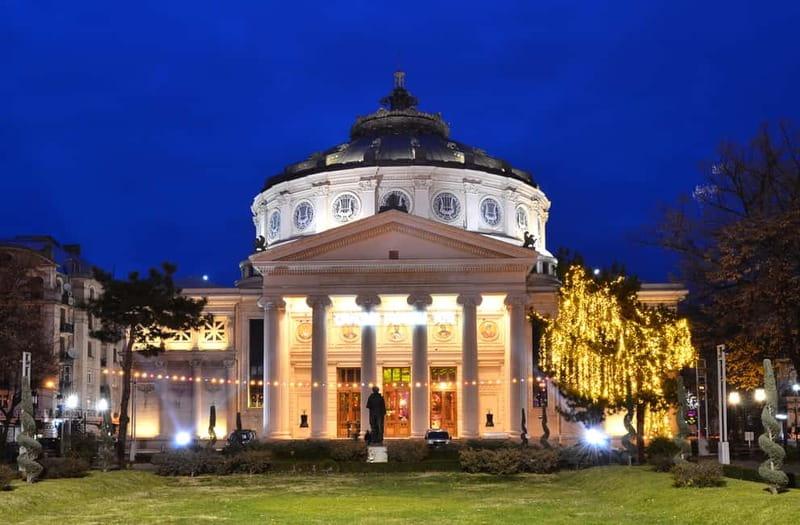
The Athenaeum is another major cultural stop on the route. Together with the Italian Church, it gives the walk a useful shift from public administration and finance toward culture and religious life.
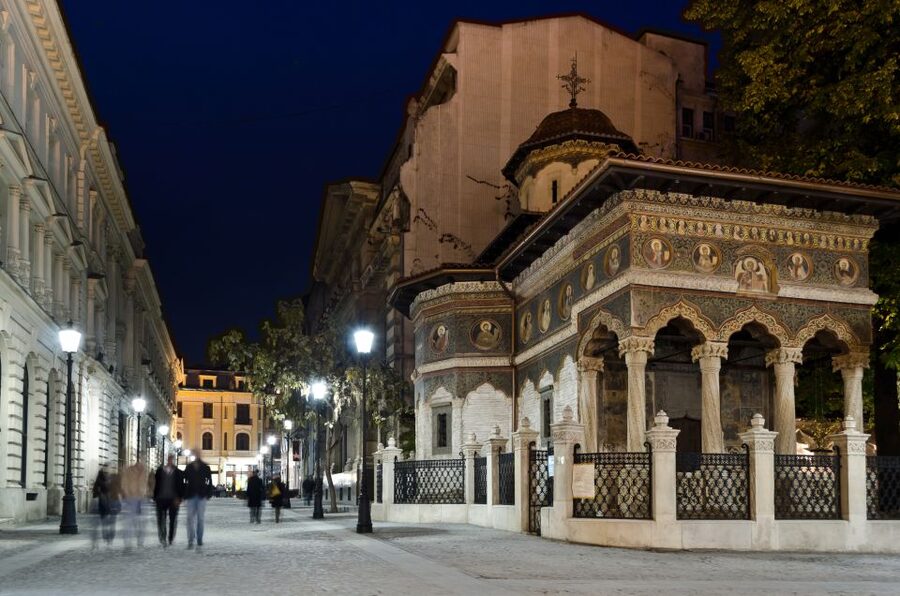
The Athenaeum helps show the city as a center of music, art, and civic pride. The Italian Church offers a more direct connection to the Italian community. These stops make the tour’s theme easier to grasp because Italian influence is not limited to construction or individual buildings. It also appears through community institutions and cultural links.
The itinerary does not include an interior visit to either place. You should expect to see them from the street and hear the guide explain their place in the story. That is enough for a first orientation, but anyone with a particular interest in the Athenaeum or Italian Church may want to return independently.
This is also the part of the route where a live guide matters most. Buildings can look impressive on their own, but the historical connection between them is not always obvious. The guide’s job is to show why these places belong in the same story.
Finishing in Bucharest’s Old Town
The walk ends in the Old Town after a short recap of Italian immigration in Bucharest and Romania. The ending is well placed for a first-day visit because you are left in one of the city’s main areas for further walking, food, or independent sightseeing.
Do not expect the tour to end with a long lecture. The format is a quick review of the main historical points and the Italian contribution to Bucharest’s development. That is useful after a route with several buildings and public spaces, especially if you want to remember the connections rather than only the names.
The experience ends back at the meeting point according to the activity details, while the route description says it finishes in the Old Town. Those details do not fully match, so ask your guide at the start where the final handoff will be. This is a small but important point if you have a restaurant reservation, museum ticket, or onward transport planned.
What the two-hour format gives you
At $34 per person, this is not the cheapest way to take a general walk around Bucharest. Its value depends on whether the Italian theme matters to you.
You are paying for a focused route, a professional local guide, and commentary in Italian. The price makes more sense if you want context that you would not get from simply walking along Victory Road with a guidebook. It is less compelling if you only want quick photos of the main buildings or a broad introduction to Bucharest.
Two hours is a sensible length for this subject. You can see the main places without giving up an entire day, and the walk leaves time for the Old Town afterward. The tradeoff is that the tour cannot spend much time inside museums or explain every era of Bucharest’s past.
A named guide, Daniel, received particular praise for answering questions, keeping to time, showing a good sense of humor, and making special arrangements for requested stops. He also arranged to start from a hotel on one occasion. That tells you the provider may be able to offer some flexibility, but you should request any pickup or route change before assuming it is included.
Who should book this Bucharest walk
I would recommend this experience to you if you:
- Speak Italian and want a city walk in that language.
- Enjoy architecture, immigration stories, and local urban history.
- Have only two hours for central Bucharest.
- Want to see Victory Road while following a clear historical theme.
- Prefer an outdoor walking route over a long museum visit.
- Are happy to view major buildings from outside.
I would be more cautious if you need a clearly marked office, have mobility concerns, or want a broad introduction in English. The meeting point needs careful attention, and the tour is not described as suitable for people over 95 years old. It also does not list accessibility details, so ask the provider directly if step-free access or a modified route is important to you.
Alcohol and drugs are not allowed, and audio recording is prohibited. Bare feet are also not allowed, which is easy to follow but worth noting for anyone treating the outing as a casual stop between other activities.
Free cancellation is available up to 24 hours before the start, and you can reserve now and pay later. Those terms are useful if your Bucharest schedule is still shifting.
My call: a focused walk with one practical warning
Book this tour if the story of Italian immigration interests you and you want to connect that story to Bucharest’s major central buildings. The route covers a lot in two hours: the Palace of Justice, CEC Palace, National History Museum, Revolution Square, the old Senate house, Athenaeum, Italian Church, Victory Road, and the Old Town area.
I especially like the combination of a specific theme and a useful first look at the city center. The strongest version of the experience will depend on meeting your guide smoothly, so confirm whether you should wait in Piata Natiunile Unite or at the nearby Transylvanian Wonders office.
If you want a general Bucharest highlights tour, this may feel too specialized. If you want to understand an overlooked connection between Italy and Romania while walking through the capital’s historic center, it offers good value for a compact afternoon or morning.
FAQ
How long is the Bucharest Italian immigration tour?
The tour lasts two hours. Starting times depend on availability.
What language is the tour conducted in?
The live tour guide speaks Italian.
Where does the tour start?
You meet at Piata Natiunile Unite, about 100 meters from the Transylvanian Wonders office at Bulevardul Natiunile Unite 4, Bloc 107/A.
Where does the tour end?
The route description says the walk ends in Bucharest’s Old Town, while the activity details say it ends back at the meeting point. Confirm the final location with your guide before arranging anything immediately afterward.
What sights are included?
The walk includes the Palace of Justice, CEC Palace, Victory Road, the National History Museum, Revolution Square, the old Senate house, the Athenaeum, the Italian Church, and Bucharest’s Old Town area.
What should I bring?
Bring comfortable shoes and clothing suitable for the weather.
Can I cancel the booking?
Yes. You can cancel up to 24 hours before the activity for a full refund. You can also reserve now and pay later.
Newest Bucharest Old Town trips we have written up
- Wine tasting in Bucharest Old town – bonus cheese platter★ 4.5 · 6 reviews
- Legends & Stories from Transylvania -2 Castles & Brasov Old Town★ 5.0 · 3 reviews
- Bucharest VIP Bar Crawl in Lipscani ‘Old Town’★ 5.0 · 3 reviews
- Bucharest Old Centre Tour★ 5.0 · 5 reviews
- Bucharest: 4-Hour Walking Food Tour in the Old Town★ 4.1 · 8 reviews
- Bucharest Old Town Walking Tour★ 4.0 · 13 reviews
- A Taste of Transylvania: Bran & Peles Castles, Brasov Old Town★ 5.0 · 13 reviews
- Dracula’s Castle & Peles Palace Tour from Bucharest Including Brasov Old Town★ 5.0 · 14 reviews