
Reviewed · BRASOV AND TRANSYLVANIA DAY TRIPS FROM BUCHAREST
Bucovina Painted Monasteries & Transylvania Tour: 4-Day Private
The blue frescoes of Voroneț, the fortified churches of Transylvania, and the quiet convents of Neamț County make this a packed but rewarding four-day journey. You move through three distinct parts of Romania: Orthodox Moldavia, Saxon Transylvania, and the royal Carpathian route near Sinaia.
I like the private vehicle and guide, since long distances are far easier when you are not managing buses or train changes. I also like the mix of major sights and quieter religious sites, especially Agapia and Văratec. The main drawback is the pace: several days involve long drives and two-hour visits, so this suits you best if you want broad coverage rather than slow mornings in one town.
Key points to know before booking
- Voroneț’s blue frescoes are the artistic high point, with vivid medieval paintings covering the church exterior.
- Agapia and Văratec offer a closer look at living Orthodox convents, not just historic monuments.
- Sighișoara, Viscri, and Brașov bring medieval Transylvania into the same trip.
- Toni and Marius are named guides associated with the company, but your individual guide is not guaranteed in advance.
- Three hotel nights and three breakfasts are included, while meals, drinks, snacks, and some entrance fees are not.
- The private format is valuable for couples, families, or small groups who want flexible attention from the guide.
Why this four-day route works
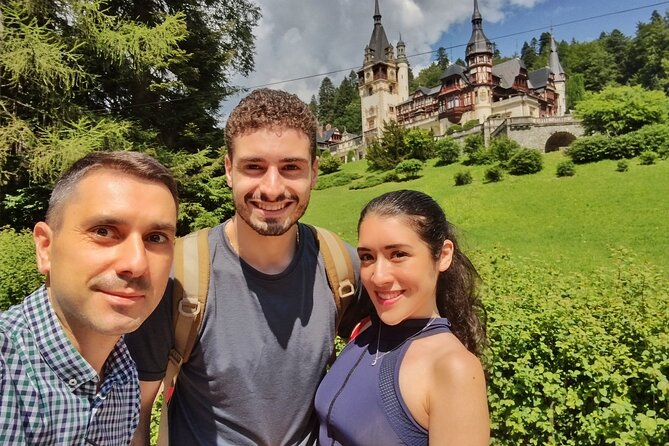
This tour connects places that are difficult to combine neatly by public transport. From Bucharest, you head north into Neamț County and Bucovina, then cross toward Transylvania before returning through Brașov and Sinaia.
That route gives you more than a church checklist. You see how Romanian religious art developed in the Moldavian principalities, how Saxon communities fortified their villages, and how the modern kingdom later built a lavish mountain residence at Peleș.
The private setup matters here. You can ask questions as you go, and a guide can explain the difference between a working nunnery, a medieval monastery, a fortified church, and a royal castle. The company’s guides include Toni and Marius, although the person assigned to your departure should be confirmed when you book.
The price is listed at $1,356.43 per person. That is not a cheap four-day excursion, but it includes private transport, Bucharest hotel pickup and drop-off, three hotel nights, three breakfasts, and guiding. For two people, the cost buys convenience and personal attention rather than a large coach experience. Group discounts may improve the value for a larger party.
You should compare the final price carefully with the entrance-fee information. The tour description says entrance fees are included in the highlights, but the inclusions section says inside visits are not included and gives a figure of about €25 to €30 per person. Treat that as an item to confirm before paying. The Black Church, Peleș Castle, and Viscri Fortified Church are specifically marked as not included.
More Snagov Monastery and grave trips from Bucharest:
- Private Tour to Salt Mine, Lunch at Winery and Dracula Grave
★ 5.0 · 60 reviews - Princely Court of Târgoviște and Curtea de Argeș Monastery
★ 4.5 · 50 reviews - Small Group Tour to Mogosoaia Palace & Snagov Monastery
★ 4.4 · 41 reviews
Day one: Agapia and Văratec in Neamț County
The first day focuses on two major convents near Târgu Neamț. Each visit is planned for about an hour, which gives you time to see the church, grounds, and surrounding religious community without turning the day into a long museum stop.
Agapia Monastery
Agapia was built between 1641 and 1643 by Gavriil Coci, a Romanian nobleman and brother of ruler Vasile Lupu. Its church was later painted by Nicolae Grigorescu between 1858 and 1861, giving the site a different artistic character from the older exterior frescoes you see in Bucovina.
This is one of Romania’s largest nunneries, with roughly 300 to 400 nuns. That living presence changes the mood. You are not simply walking through an abandoned medieval monument. You are visiting a functioning Orthodox community where architecture, worship, and daily life remain connected.
An hour is enough for an introduction, but it is not generous if you want to study every painting or spend much time in the grounds. Dress respectfully, especially since these are active religious sites. Trousers or a long skirt are the safest choice. One important practical note from the supplied information: photography rules can apply, and exterior photographs at some monasteries may require a small fee, while interior photography may not be allowed.
Văratec Monastery
Văratec is described as Romania’s largest nun monastery, with more than 400 nuns. Like Agapia, it gives you a chance to see Orthodox monastic life as a present-day institution rather than only as a historical subject.
The two monasteries make a good pair because they are close to one another but do not feel like duplicate stops. Agapia is closely linked with Grigorescu’s nineteenth-century painting, while Văratec offers the scale and quiet of a very large convent community.
The first day is a gentle introduction to the religious side of the journey. It also sets up the more dramatic painted churches coming on day two.
More Brasov and Transylvania day trips from Bucharest:
- Bucharest: Dracula’s Castle, Peles Castle, & Brasov Old Town
★ 4.5 · 17,858 reviews - Bucharest: Dracula Castle, Peles Castle & Brasov Old Town
★ 4.6 · 10,891 reviews - Bucharest: Dracula’s Castle, Peleș Castle & Brașov Day Trip
★ 4.5 · 5,919 reviews - Bucharest: Day Trip to Dracula Castle, Peles Castle & Brașov
★ 4.4 · 3,049 reviews
Day two: the painted churches of Bucovina
Day two is the artistic heart of the tour. You visit Sucevița, Moldovița, and Voroneț, with about two hours planned at each. That time allows for more than a quick photograph, but you will still need to manage your attention. These churches are packed with scenes, symbols, color, and architectural details.
Sucevița Monastery
Sucevița combines Byzantine and Gothic influences with the local Moldavian church style. Both its interior and exterior walls are covered in murals depicting biblical episodes from the Old and New Testaments.
Two hours is useful here. The paintings are not something you can absorb in a few minutes, particularly if your guide explains the order of scenes and the religious ideas behind them. You can look for the relationship between the church’s shape and its painted surfaces, rather than treating the walls as a simple backdrop.
Sucevița also helps you understand why these churches are so important. The paintings served as visual teaching in a largely non-literate society, turning the outside of a church into a public religious text. The result is both decorative and instructional.
Moldovița Monastery
Moldovița was built in 1532 by Petru Rareș, the son of Stephen the Great. It was founded partly as a defensive religious center against Ottoman pressure from the east.
That history gives the monastery extra weight. The painted churches were places of worship, but they also expressed the strength and identity of the Moldavian principality. You can expect a strong blend of religious storytelling and political memory.
The two-hour visit should leave room for questions about the artists, the preservation of the murals, and the differences between this church and Sucevița. The provided information also points to restoration work and to the contrast between older painted monasteries and a newer monastery painted in more recent times. If this subject interests you, ask the guide to compare technique, age, and preservation directly.
Voroneț Monastery
Voroneț is the best-known stop of the day, and with good reason. Stephen the Great built the monastery in 1488 after his victory at the Battle of Vaslui. Its frescoes are famous for their intense blue, commonly called Voroneț blue.
The nickname Sistine Chapel of the East is easy to understand once you see the walls, though the comparison can oversimplify what makes the church special. Voroneț has its own Moldavian style, with paintings designed for the exterior walls and for the local religious setting.
Give yourself time to look beyond the famous color. The figures, scenes, and arrangement of the paintings matter as much as the blue itself. A strong guide can help you read the images and explain how the church fits into the wider story of medieval Moldavia.
The day is demanding. Three major churches, each with a two-hour visit, require concentration, and the driving between them adds to the total. The reward is a close look at one of Europe’s most distinctive groups of medieval religious monuments.
Day three: Sighișoara, Viscri, and Brașov
After Bucovina, the tour shifts from Orthodox Moldavia to Saxon Transylvania. The change is clear in the architecture, town planning, and defensive buildings.
Sighișoara’s medieval citadel
Sighișoara has a well-preserved walled old town and UNESCO World Heritage status. Two hours gives you time to see the central historic area and understand its compact medieval form.
This is a place where you should walk slowly, even if the schedule is tight. Look at the walls, towers, streets, and colorful historic buildings. The fortified layout tells you about trade, defense, and the Saxon communities that shaped Transylvania.
The limitation is time. Sighișoara deserves longer than two hours if you want museums, a relaxed meal, and a thorough walk through the citadel. On this tour, you get a useful first look rather than a full town stay.
Viscri Fortified Church
Viscri offers one of the clearest links to Saxon village history. Its fortified church is a UNESCO World Heritage Site and remains a well-preserved example of medieval defensive architecture.
The visit lasts about an hour, and the entrance fee is not included according to the supplied details. Carry some Romanian currency or confirm the accepted payment method before setting out.
Viscri is valuable because it is smaller and more rural than Sighișoara and Brașov. You see how defense and worship were combined in a village setting, not just in a major walled town. The stop adds texture to the Transylvanian portion of the trip.
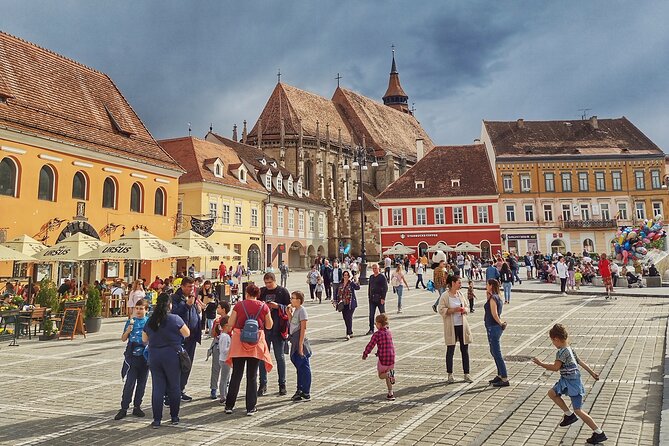
Brașov Historical Center
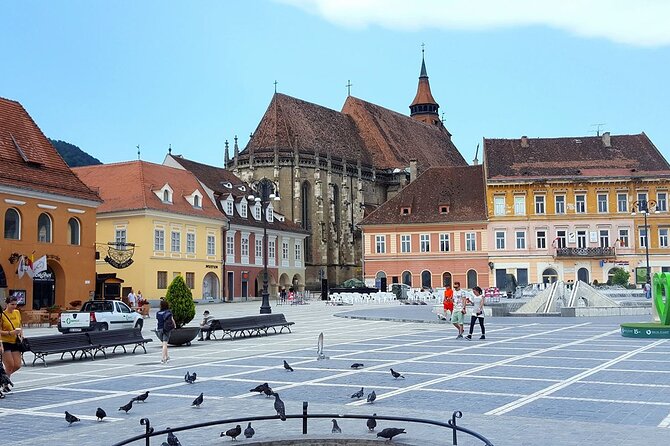
Brașov was an important center for the Transylvanian Saxons and a commercial hub on routes between East and West. Two hours in the historic center lets you connect the city’s architecture with its trading past.
The city also has a strong national connection: it is the birthplace of Romania’s national anthem. You will have enough time for a compact walk and an overview, but not for a full museum program.
Brașov is a practical overnight base because it places you near the next morning’s sights. It also gives the tour a livelier urban finish after the quieter village and monastery stops.
Day four: the Black Church and Peleș Castle
The final day begins in Brașov and heads south toward Sinaia before returning to Bucharest.
The Black Church
The Black Church was built by Brașov’s German community and is the country’s main Gothic monument. It is also the largest and one of the most important Lutheran churches in the region.
The planned visit lasts about an hour. The entrance fee is not included, so budget for it separately. The church gives you a final look at the cultural contrast running through the trip: Orthodox monasteries in Moldavia, fortified Saxon churches in Transylvania, and a major Lutheran Gothic church in Brașov.
Peleș Castle
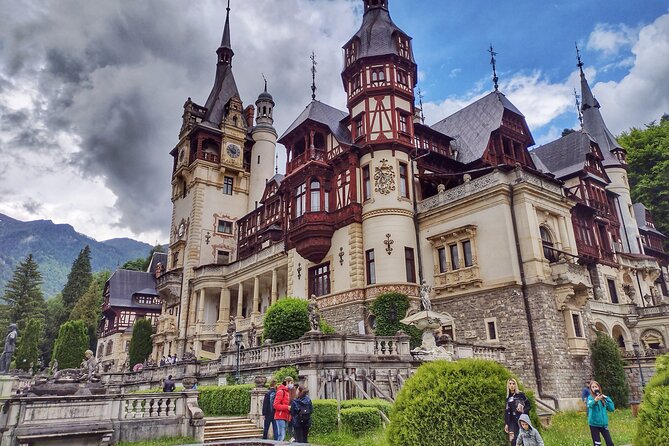
Peleș Castle was built between 1873 and 1914 as the summer royal residence of King Carol I. Its Neo-Renaissance design and Carpathian setting make it a very different experience from the medieval churches.
The castle sits near Sinaia on an old route linking Transylvania and Wallachia. Its inauguration took place in 1883, and its purpose was royal rather than defensive or monastic.
The visit is planned for about an hour, and the entrance fee is not included. That time works for a focused visit, but you should not expect to see every room at a leisurely pace. Confirm which interior areas are open on your date and what ticket is required, since the supplied information only gives the general entrance-fee warning.
Peleș is a fitting final stop because it shows Romania moving into the modern royal era. After days of medieval painting and fortified worship, you finish with royal architecture, elaborate interiors, and a very different idea of power.
Hotels, meals, transport, and daily comfort
Three nights in three-star hotels and three breakfasts are included. The supplied comments also describe the rooms as comfortable and the van as new, spacious, and air-conditioned, but the exact hotels are not named in the tour details.
Private transport is one of the strongest practical reasons to choose this trip. Northern Romania covers large distances, and the route includes rural monasteries and villages that are not simple to connect by public transport. You can also ask questions during the drive instead of spending the day navigating.
Lunches, dinners, drinks, and snacks are not included. That gives you control over spending, but you should plan for extra food costs each day. One benefit of having a private guide is the ability to ask for help choosing restaurants, although specific restaurants are not guaranteed.
The physical requirement is moderate. You should be comfortable with repeated walking, standing during church visits, and long periods in a vehicle. The schedule is full, but it is not described as a strenuous hiking trip.
The guide can make or break the experience
A private tour depends heavily on the guide. Toni Tatar is associated with the company, and Marius is another named guide. The supplied accounts describe guides who explain art, religion, and Romanian history in detail, while also helping with practical problems.
Marius is specifically described as assisting a group member who needed emergency medical care, including help finding an emergency room and navigating the medical system. That does not guarantee the same situation or response on your trip, but it shows why personal guiding matters on a route far from Bucharest.
You should ask in advance who will lead your departure and what language support is available. English is offered. A good guide will help you notice differences among the monasteries instead of presenting three similar-looking stops.
Is $1,356.43 per person good value?
The price makes the most sense if you value privacy, door-to-door service, and a guide who stays with your group. You are paying for more than admission to monuments. You are paying to connect distant parts of Romania in four days without arranging transport, hotels, and route planning yourself.
The value is weaker if you prefer independent travel, long stays in one town, or low-cost public transport. The schedule is fixed, and the price does not include other meals or clearly all entrance fees.
Before booking, get written confirmation of:
- Which entrance fees are included
- The exact hotel names and locations
- The guide assigned to your group
- The final amount for monastery, church, and castle tickets
- Any group discount available
Those questions matter because the tour details give conflicting information about admission costs.
Who should book this tour?
I would choose this trip if you want a strong first look at Bucovina and Transylvania and prefer a private guide to independent planning. It suits couples, families, and small groups who want comfort and a flexible conversation with the guide.
It is especially good for people interested in religious art, medieval architecture, Romanian history, and cultural contrasts. The painted monasteries deserve the most attention, while Sighișoara, Viscri, Brașov, and Peleș Castle keep the route varied.
I would hesitate if your main goal is rest. Four days cover a lot of ground, and the monastery days are full. I would also hesitate if you want guaranteed long visits inside every castle and church, since several stops are limited to one or two hours.
FAQ
Where does the tour start and finish?
The tour starts and ends in Bucharest, Romania. Hotel pickup and drop-off can be arranged anywhere in Bucharest.
What time does the tour begin?
The scheduled start time is 9:00 am.
Is this a private tour?
Yes. Only your group participates, and private transport and a private guide are provided.
How many nights of accommodation are included?
Three nights in three-star hotels are included, along with three breakfasts.
Are meals other than breakfast included?
No. Lunches, dinners, drinks, and snacks are not included.
Are entrance fees included?
The tour information is inconsistent. The highlights say entrance fees are included, but the inclusions section says inside visits are not included and gives an estimated cost of about €25 to €30 per person. Viscri Fortified Church, the Black Church, and Peleș Castle are specifically marked as not included, so confirm the final ticket policy before booking.
What happens if I need to cancel?
You can receive a full refund if you cancel at least six full days before the start time. A cancellation two to six full days before the tour may receive a 50 percent refund, while cancellation less than two full days before the start time is not refunded. Poor weather may lead to a new date or a full refund.
More multi-day Romania trips starting in Bucharest
- 2-Day Medieval Transylvania with Brasov,Sibiu and Sighisoara Tour from Bucharest
★ 4.5 · 145 reviews - 2-Day Transylvania from Bucharest: Brasov, Bran, Sighisoara
★ 5.0 · 60 reviews - 4-Day Private Tour in Transylvania from Bucharest
★ 5.0 · 48 reviews - 3-Day Medieval Transylvania Package Tour
★ 4.7 · 31 reviews
Newest Bucharest trips we have written up
- Bucharest: Dealu Mare Winery Private Trip with Wine Tasting★ 4.9 · 6 reviews
- Winery touring & private wine tasting – one day private tour★ 5.0 · 3 reviews
- Traditions in Bucharest: Village Museum and Wine Tasting★ 5.0 · 8 reviews
- Your rendez-vous with Europe’s past: time-travel to Maramures, Transylvania★ 5.0 · 6 reviews
- Village Museum Bucharest Guided Tour★ 5.0 · 6 reviews
- Private Wine Tasting at Bucharest’s First Wine Bar★ 5.0 · 3 reviews
- Walking Tour of Bucharest City Center – Private Tour★ 5.0 · 4 reviews
- Wine tasting in Bucharest Old town – bonus cheese platter★ 4.5 · 6 reviews
Brasov and Transylvania Day Trips from Bucharest, compared.
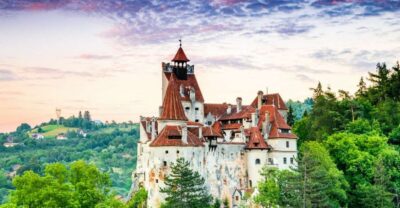
Dracula’s Castle, Peles Castle, & Brasov Old Town
Read our review →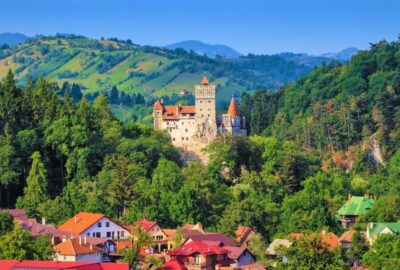
Dracula Castle, Peles Castle & Brasov Old Town
Read our review →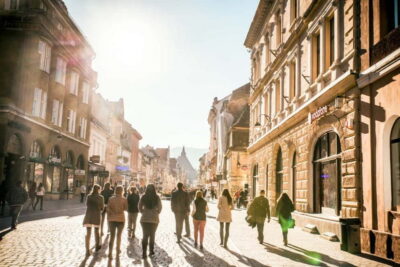
Dracula’s Castle, Peleș Castle & Brașov Day Trip
Read our review →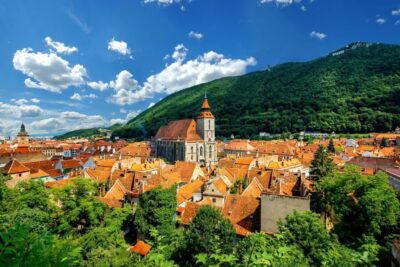
Day Trip to Dracula Castle, Peles Castle & Brașov
Read our review →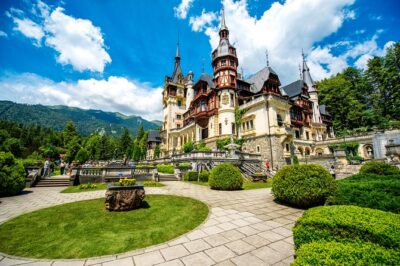
Bucharest to Dracula Castle, Peles Castle and Brasov Guided Tour
Read our review →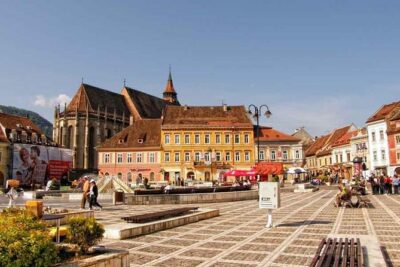
Dracula’s Castle, Peles Castle and Brasov Day Trip from Bucharest
Read our review →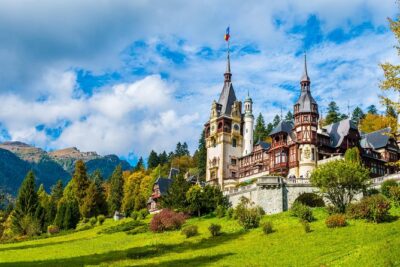
Transylvania and Dracula Castle Full Day Tour from Bucharest
Read our review →
Browse the lists this tour appears in