
Reviewed · BUCHAREST FOOD TOURS
Cooking Class traditional food
Romania’s best food lesson may be the one that ends with a plate of bulz and papanasi made by your own hands. This private Bucharest experience takes you to a local market, then into the kitchen to prepare creamy polenta with Transylvanian cheese and a classic fried cheese dessert.
I like the personal scale, with Lavinia and Dan welcoming only your group, and I like the useful recipes you can take home. The conversations can range beyond cooking, too, with local tips and stories about Romanian life. The main consideration is the price: at $108.02 per person, it makes most sense if you value company, instruction, and a home-style meal over a quick restaurant lunch.
Key points to know before booking
- Market first, kitchen second: You may help choose seasonal ingredients before cooking begins.
- Two unmistakably Romanian dishes: Make bulz, a hot polenta dish with cheese, then papanasi with sweet cheese, sour cream, and jam.
- Private instruction: Only your group takes part, so the pace can suit children, couples, solo visitors, or a small family.
- Warm local hosting: Lavinia and Dan are praised for making the class feel like lunch with friends rather than a formal demonstration.
- Recipes go home with you: You receive instructions designed to help you recreate the dishes, including with ingredients available in the United States.
- A compact midday plan: The experience lasts about two and a half hours, from 11 a.m. to 2 p.m., and returns to the starting point.
Why this Bucharest cooking class feels personal
Many food classes show you a recipe, hand you a plate, and send you on your way. This one is built around a private meeting with local hosts. Lavinia leads the practical cooking, while Dan adds conversation and information about Bucharest and Romania. One useful detail is that Dan is not presented as the main cook, so his role adds a different voice rather than another person crowding the kitchen.
That arrangement matters. You are not just watching a chef perform. You can ask questions, work through the steps, and talk about Romanian food in an ordinary home setting. If you want a polished restaurant-style lesson with several professional chefs, this may feel modest. If you want a friendly introduction to food served in Romanian homes, the setting is a strong match.
The class is offered in English. Some visitors have also used the time to practice Romanian, while the hosts remain fluent English speakers. That makes the experience suitable for someone who wants conversation along with cooking, not just a silent list of instructions.
More food tours in Bucharest:
- Street Food’n’Culture Tour
★ 5.0 · 209 reviews - Discover Bucharest: Private Highlights and Traditional Food Tour
★ 5.0 · 86 reviews - Bucharest: Street Food Tour with a Local Guide
★ 4.3 · 21 reviews
The local market sets the tone
The day begins at the meeting point at Bloc 20A, Calea Rahovei 352, in Bucharest. The activity is near public transportation, and the same location is used at the end. The market visit is an important part of the plan because it connects the food on your plate with the ingredients you see being sold.
You will shop for seasonal ingredients with your guide rather than simply arriving to find every item measured and waiting. A local market can also give you a more useful look at everyday Romanian food than a staged food display. In one account of the experience, the group met a farmer who comes to the market once a week to cook for local people. That kind of encounter is exactly why this stop is worthwhile.
The market portion is not described as a long guided food tour, so keep your expectations sensible. It is a practical shopping stop for the cooking class, not a full survey of Bucharest’s markets. Still, it gives you a chance to ask what ingredients are common, what is seasonal, and how Romanian cooks choose cheese or produce.
The market also helps explain why the meal has a homemade feel. You are not being served a generic European menu. You are using ingredients connected to dishes with a clear regional identity, including cheese from Transylvania.
Making bulz, Romania’s hot polenta dish
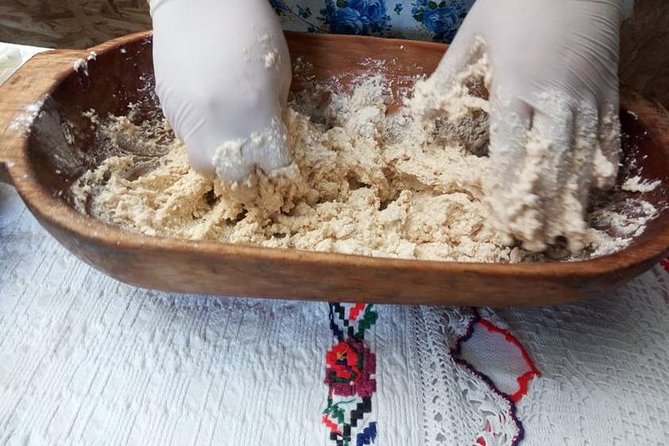
The first hands-on dish is bulz. Think of it as a rustic, filling preparation built around polenta, but do not expect plain cornmeal. You prepare creamy polenta with corn flour, salt, and sour cream, then combine it with authentic Transylvanian cheese and melted cheese.
The method is simple enough to follow, but the details matter. Polenta can be smooth and creamy or stiff and heavy, depending on how it is cooked. Working beside a local guide gives you a chance to see the texture the dish should have and how the cheese is folded into the mixture.
Bulz is a good choice for a class because it shows how a few everyday ingredients can produce a substantial meal. Corn flour, dairy, and seasoning are not complicated, yet the result depends on balance and timing. You get to handle the preparation instead of merely hearing a description.
It is served hot, like polenta, so you eat it soon after cooking. That is worth knowing if you prefer a leisurely meal with long pauses between courses. The food is at its best while warm, and the class naturally moves from preparation to eating.
The dish also provides a small lesson in regional food. The use of Transylvanian cheese gives the meal a connection to a particular part of Romania, rather than presenting polenta as a general side dish. If you have only tried polenta in Italian or other Western European cooking, bulz offers a different combination of texture and dairy flavor.
Making papanasi with cheese, cinnamon, and jam
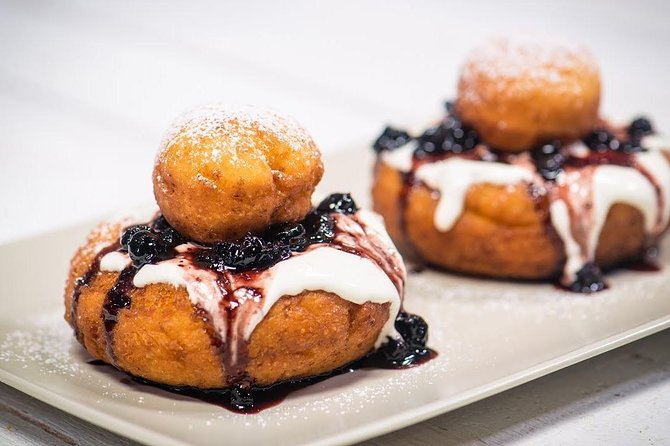
The dessert is papanasi, one of the best-known Romanian sweets. You make a dough from sweet cheese, eggs, flour, and a little cinnamon. It is then fried until golden and crisp outside, while remaining soft inside.
The finishing touch is important. Papanasi is served with sour cream and strawberry or blueberry jam, and another menu description specifies cream and cherry jam. The exact jam may vary, so you can expect a fruit topping rather than one fixed flavor. The contrast is the point: warm fried dough, cool cream, and sweet-tart fruit.
This is a particularly useful recipe to learn because it is familiar enough to understand but different enough to remember. The dough is not simply a plain fritter, and the sweet cheese gives it a distinctive Romanian character. You also get a practical sense of how the dish is shaped and fried, two parts that are difficult to judge from a written recipe alone.
Come hungry. The class includes time to eat what you prepare, and additional Romanian foods may also be sampled. The meal is described as a homemade three-course lunch, although the listed hands-on menu specifically identifies bulz and papanasi. If you are booking mainly for a broad, multi-course tasting, ask the host what will be included on your date.
Same city, a completely different sort of day:
- Bucharest: Dracula’s Castle, Peles Castle, & Brasov Old Town
★ 4.5 · 17,858 reviews - Bucharest: Dracula Castle, Peles Castle & Brasov Old Town
★ 4.6 · 10,891 reviews - Bucharest: Dracula’s Castle, Peleș Castle & Brașov Day Trip
★ 4.5 · 5,919 reviews - Bucharest: Palace of Parliament Tickets and Guide
★ 4.3 · 3,182 reviews
Lunch with conversation, not a quick tasting
Once the cooking is done, you sit down with your own creations. This is where the private format pays off most. The meal is not rushed through as a final sample after a demonstration. You have time to talk, ask questions, and hear local suggestions for the rest of your Bucharest stay.
Dan often contributes information about Bucharest and Romania, while Lavinia guides you through the cooking. The hosts have also helped people with practical trip advice. That makes the class useful early in a Bucharest visit, when you may still be deciding what neighborhoods, sights, or foods to seek out.
The tone is informal. Several accounts describe feeling like part of the family or as though they had been invited to lunch with friends. That will appeal to you if you enjoy small-scale cultural experiences and direct conversation. It may not suit you if you prefer a quiet meal or a highly structured culinary school format.
A small group also helps with questions. You can ask why a certain cheese is used, how the dish changes from one household to another, or how to adapt a Romanian recipe outside the country. One especially practical feature is receiving the recipes afterward. They are intended to work with ingredients found in the United States, which is useful if you want more than a holiday memory.
Allergies, children, and the private format
The class can work well for families because the cooking is hands-on and the recipes are straightforward. One account specifically describes a good experience with children. Young participants can take part in mixing and shaping, though the adults in the group should remain responsible around hot food and frying.
The private setup is also helpful for dietary concerns. The hosts have accommodated allergies and made an effort to adjust the experience. Still, you should tell them about allergies before arrival. The available information confirms consideration for allergies, but it does not promise that every ingredient can be replaced or that the kitchen is free from cross-contact.
Solo visitors can book as well. A private class for one person may feel more expensive than joining a large group, but you get direct attention and a more conversational visit. Couples and families may find the price easier to justify because the whole group shares one private session.
The class is conducted in English, which removes a major concern for most international visitors. If you speak some Romanian, you may also get a chance to practice during the meal.
Is $108.02 per person good value?
The cost is $108.02 per person, which is not a bargain if you measure value only by the amount of food. You could eat a filling Romanian meal for less at a restaurant. The price covers more than lunch, though: a market visit, private instruction, ingredient preparation, the meal, conversation, and recipes for home use.
I would judge the value by your interests. If you want a quick introduction to Romanian cuisine, the class gives you several useful layers in two and a half hours. You see ingredients, learn techniques, cook the dishes, eat them, and get advice from people who live locally.
The price is harder to defend if you mainly want to taste papanasi or polenta. In that case, order them in a restaurant and spend the balance on another activity. The class earns its cost through access and attention, not through an unusually large menu.
The experience is scheduled from 11 a.m. to 2 p.m., Monday through Sunday, during the stated operating period of December 27, 2025, through December 26, 2026. That timing works well as a midday break, especially if you want a substantial meal before sightseeing later in the day.
It is often booked about 33 days ahead, so I would not leave it until the last minute if your Bucharest dates are fixed. Confirmation arrives when you book, and the activity requires good weather, likely because of the market portion. If weather causes cancellation, you are offered another date or a full refund.
Practical details for your Bucharest day
The meeting point is Bloc 20A, Calea Rahovei 352, București 052034, Romania. The experience ends at that same point. Since the activity is near public transportation, check your route before setting out and allow enough time to arrive without rushing into the market visit.
The duration is approximately two hours and 30 minutes. That is long enough for cooking and a proper meal, but short enough to fit into a day of sightseeing. You should avoid scheduling a major attraction immediately afterward if you want time for conversation or if the meal runs at a relaxed pace.
The activity is private, and only your group participates. That is one of its clearest advantages. You do not have to keep up with a large class or wait while strangers take turns. The tradeoff is that private activities usually offer less price efficiency than group classes.
Free cancellation is available if you cancel at least 24 hours before the start time. Changes or cancellations made inside that window are not refunded, and the cut-off follows local time. Keep that deadline in mind if your Bucharest schedule is still shifting.
Who should book this Romanian food experience?
I would recommend it to you if you want to meet local people, prefer cooking to passive sightseeing, or like bringing recipes home from a trip. It is also a good fit for a couple, family, or solo visitor who values a private setting and conversation.
It makes particular sense during a first Bucharest visit. The hosts can offer local suggestions, and the market and meal give you context for foods you may see elsewhere in Romania. You also get a gentle introduction to two dishes that are easy to remember: savory bulz and sweet papanasi.
I would think twice if your priority is a formal culinary curriculum, a large tasting menu, or the lowest possible food cost. The class is home-style and personal, not a professional cooking-school production. The menu centers on two main preparations, even though the lunch is described as three courses and may include other Romanian samples.
Should you book it?
Book this class if you want your Bucharest food experience to feel social, practical, and local. The strongest reasons are the private format, the warm hosting from Lavinia and Dan, the chance to shop before cooking, and the recipes you can use after returning home.
At $108.02, it is a considered purchase, not an impulse lunch. But if you are willing to pay for personal attention and a meal made with local guidance, the two and a half hours offer a good connection to Romanian food and daily life. Arrive hungry, tell the hosts about allergies in advance, and leave room in your schedule for conversation.
FAQ
Where does the cooking class begin?
It begins at Bloc 20A, Calea Rahovei 352, București 052034, Romania.
Where does the activity end?
The activity ends back at the meeting point.
How long does the experience last?
It lasts approximately two hours and 30 minutes.
What days and times is the class offered?
It is offered Monday through Sunday from 11 a.m. to 2 p.m. during the stated operating period of December 27, 2025, through December 26, 2026.
What food will I prepare?
You will prepare bulz, a hot polenta dish with Transylvanian and melted cheese, and papanasi, a fried sweet-cheese dessert served with sour cream and fruit jam.
Is the class conducted in English?
Yes. The experience is offered in English.
Is this a private activity?
Yes. Only your group participates.
How much does the experience cost?
The listed price is $108.02 per person.
Can I cancel for a full refund?
Yes, if you cancel at least 24 hours before the experience start time. Cancellations or changes made less than 24 hours before the start are not refunded.
More hands-on workshops in Bucharest
- Bucharest: Real Roma Community – Crafting Workshop
★ 5.0 · 13 reviews
Newest Bucharest trips we have written up
- Bucharest: Dealu Mare Winery Private Trip with Wine Tasting★ 4.9 · 6 reviews
- Winery touring & private wine tasting – one day private tour★ 5.0 · 3 reviews
- Traditions in Bucharest: Village Museum and Wine Tasting★ 5.0 · 8 reviews
- Your rendez-vous with Europe’s past: time-travel to Maramures, Transylvania★ 5.0 · 6 reviews
- Village Museum Bucharest Guided Tour★ 5.0 · 6 reviews
- Private Wine Tasting at Bucharest’s First Wine Bar★ 5.0 · 3 reviews
- Wine tasting in Bucharest Old town – bonus cheese platter★ 4.5 · 6 reviews
- Walking Tour of Bucharest City Center – Private Tour★ 5.0 · 4 reviews
Bucharest Food Tours, compared.
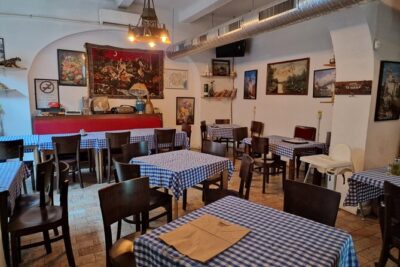
Discover Bucharest: Private Highlights and Traditional Food Tour
Read our review →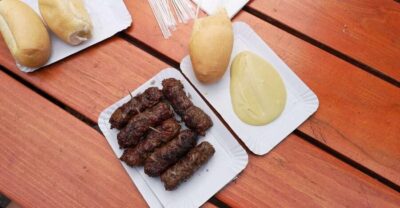

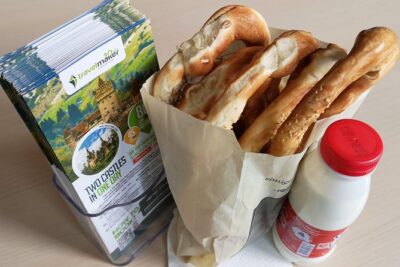
Premium 8-Day Private Culinary Vacation in Romania
Read our review →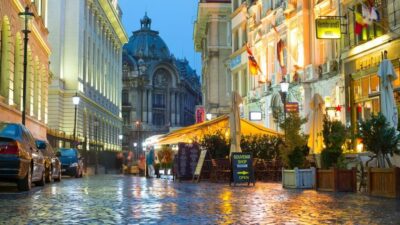
Browse the lists this tour appears in