
Reviewed · BRASOV AND TRANSYLVANIA DAY TRIPS FROM BUCHAREST
Private Tour: 4-day Transylvania Famous Landmarks
Transylvania packs an astonishing amount into four days: royal castles, Dracula lore, fortified Saxon churches, medieval citadels, and a spectacular mountain road. This private tour gives you a comfortable way to connect the dots from Bucharest without wrestling with Romanian roads or changing hotels every night.
I especially like the small private format, which lets your guide adjust the pace, and the overnight stops in central old towns. The included breakfasts, snacks, drinks, parking, and three nights of accommodation also make the $1,324.52 price easier to judge.
The main catch is the seasonal Day 4 route. The Transfagarasan Highway is used from July through October, while the trip follows the Olt River gorge and visits Cozia Monastery from November through June or July. You also spend several hours in the vehicle each day, so this suits you best if you want broad coverage rather than a slow stay in one town.
Key points to know before booking
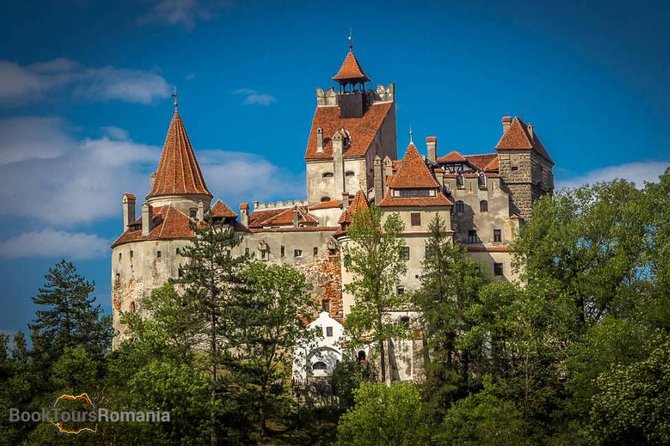
- Royal castles and Dracula lore: Visit Peles Castle in Sinaia and Bran Castle, then hear the real history behind the Dracula legend.
- Saxon Transylvania: See Viscri and Biertan, two villages known for fortified churches and centuries-old German Saxon heritage.
- Three central overnight stays: Sleep in Brasov, Sighisoara, and Sibiu, with old-town access for evening walks.
- A flexible private guide: Guides named Victor, Nick, Gelu, Marcel, and Bogdan have led this route, with praise for their English, driving, and personal service.
- Seasonal mountain scenery: The Transfagarasan Highway is included in summer, with the Olt gorge and Cozia Monastery used when the high road is closed.
- A full package: Transport, fuel, parking, road fees, three breakfasts, snacks, non-alcoholic drinks, lunch, and admission to selected sites are included.
Why this four-day route works
This is a sightseeing loop, not a single-base holiday. You leave Bucharest, cross into the Carpathian Mountains, continue through Transylvania, and return by one of Romania’s most dramatic roads or river valleys.
That structure matters. Romania’s major sights are spread across a wide area, and public transport can make a castle-and-village route slow and awkward. Here, your driver and guide handle the long connections while you look out the window and stop for photographs.
I like the balance of famous names and less familiar places. Peles Castle and Bran Castle draw the crowds, but Viscri, Biertan, and the old centers of Sighisoara and Sibiu give you a better feel for the region’s layered past.
You should expect active sightseeing rather than long stretches of free time. The schedule includes walking tours, castle interiors, church visits, and several hours on the road. Most people can take part, but comfortable shoes and a willingness to keep moving will help.
More Brasov and Transylvania day trips from Bucharest:
- Bucharest: Dracula’s Castle, Peles Castle, & Brasov Old Town
★ 4.5 · 17,858 reviews - Bucharest: Dracula Castle, Peles Castle & Brasov Old Town
★ 4.6 · 10,891 reviews - Bucharest: Dracula’s Castle, Peleș Castle & Brașov Day Trip
★ 4.5 · 5,919 reviews
Day 1: Peles Castle, Bran Castle, and Brasov
Your guide collects you from your Bucharest hotel or address, or from Otopeni Airport if your arrival is arranged ahead of the tour. The drive north takes about two hours to Sinaia, a mountain resort in the Prahova Valley.
Peles Castle in Sinaia
Peles Castle is the first major stop, and the three-hour visit gives you time for both the gardens and the interior. This former royal residence is one of Romania’s most polished sights, with a setting that makes the approach feel special before you even enter.
The standard interior tour is included, as is admission to the castle. You will want to check the photography rules on the day, since photo and video fees are not part of the price.
The appeal here is not simply the building. The visit introduces you to Romania’s monarchy and gives useful context before the tour turns toward medieval fortresses and Vlad Tepes. The gardens also offer a break from the enclosed rooms and a chance to stretch after the drive.
Three hours is generous, though the exact rhythm depends on opening arrangements and how much time your guide spends explaining the site. If grand interiors are high on your list, this is one of the day’s strongest stops.
Bran Castle and the Dracula story
From Sinaia, the route follows the Prahova Valley toward Bran. The mountain drive is scenic, but this is also one of the busier parts of the itinerary, with a major name at the end of it.
Bran Castle is widely promoted as Dracula’s Castle, yet the real story is more interesting than the label. The guided visit explains the link between the castle, Vlad Tepes, and Bram Stoker’s fictional count. You get about two hours here, with admission included.
Go in expecting a historic castle with a powerful legend, not a literal Dracula museum. That distinction will make the visit more rewarding. The castle’s fame brings crowds, and the experience can feel more commercial than Viscri or Biertan, but it remains an essential first-time stop in Transylvania.
More multi-day Romania trips starting in Bucharest:
- 2-Day Medieval Transylvania with Brasov,Sibiu and Sighisoara Tour from Bucharest
★ 4.5 · 145 reviews - 2-Day Transylvania from Bucharest: Brasov, Bran, Sighisoara
★ 5.0 · 60 reviews - 4-Day Private Tour in Transylvania from Bucharest
★ 5.0 · 48 reviews - 3-Day Medieval Transylvania Package Tour
★ 4.7 · 31 reviews
Brasov after the castles
The day ends in Brasov, where you take a guided walk through the old city for about two hours. This is your first chance to see how a larger Transylvanian town works beyond its headline attractions.
The walking tour helps you read the city’s streets, architecture, and Saxon influence. Because you spend the night here, you can also walk on your own after the formal tour ends.
That overnight location is a real advantage. Several people who took this route appreciated hotels in the heart of the old towns, where an evening stroll did not require another ride. Hotel names are not specified, so you should confirm the exact property before booking if location or room style matters greatly to you.
Day 2: Viscri and the living citadel of Sighisoara
Day 2 leaves the larger city behind for a quieter side of Transylvania. Viscri and Sighisoara show two different forms of Saxon heritage: a rural village with a fortified church and a medieval citadel that is still inhabited.
Viscri’s fortified church and village life
Viscri is known for its fortified church, first built around 1100 and listed as a UNESCO World Heritage Site since 1993. The stop lasts about two hours, and lunch is served in the village.
This is one of the most meaningful parts of the route because the setting feels less like a standard monument visit. You see a village shaped by Saxon settlement, defense, farming, and local traditions. The fortified church also shows why churches in this region were built to protect communities as well as serve them.
A particularly distinctive detail is the chance to visit an old Saxon house associated with King Charles of Britain, who owns a property in the village. That connection adds modern interest, but the real value is seeing how rural heritage has been maintained.
Lunch is included, although other meals are not. Alcoholic drinks are also excluded, so budget separately if you want wine or beer with meals.
Sighisoara after dark
Sighisoara is presented as Romania’s best-preserved medieval town and one of the few inhabited citadels in Europe. Its UNESCO listing dates from 1999, and the guided citadel walk takes about two hours.
This is the kind of place where the overnight stay improves the visit. After the guided portion, you have the evening to explore at your own speed rather than rushing back to a distant hotel.
Sighisoara has a strong visual identity, with a compact historic center and a sense of daily life continuing inside old walls. You will get more from it if you allow time to pause between the formal explanations. Look for small details in the lanes and buildings, not only the major sights named by the guide.
The day is not long in terms of formal touring, but driving between rural sites takes time. The tradeoff is worthwhile if you want to see authentic village settings instead of only Romania’s headline cities.
Day 3: Biertan and Sibiu’s elegant old center
The third day continues through Saxon country before moving to Sibiu. It is a quieter historical day, with one fortified church followed by a city walking tour.
Biertan’s fortified church
Biertan is another major Saxon village, and its fortified church has been on the UNESCO World Heritage list since 1993. The visit lasts about an hour, with admission included.
The shorter stop works well after Viscri. You see another defensive religious complex without spending half a day repeating the same format. Your guide can help you compare the two sites and explain how Saxon communities organized themselves in Transylvania.
If you are especially interested in church interiors, medieval defense, or local architecture, this stop may feel too brief. Still, it adds depth to the route and makes clear that Transylvania is more than castles tied to Dracula.
Sibiu’s old town
Sibiu receives about two hours of guided walking. The old center entered the competition for UNESCO World Heritage status in 2004, and it is one of the most attractive urban stops on the trip.
I like the change of pace here. After two village visits and several fortified churches, Sibiu gives you a broader city experience, with time to notice the way historic streets function as everyday public spaces.
Your accommodation is in Sibiu, and the central location reported for the tour’s hotels makes an evening walk practical. You can use that free time to revisit a street from the guided walk or simply sit down for a meal.
Do not expect a long museum program or a slow architectural study. The tour gives you an introduction, then leaves room for personal exploration. That is a good arrangement for a short trip, but you may want to add a separate night in Sibiu if this city interests you most.
Day 4: The Transfagarasan Highway or the Olt gorge
The final day is built around the return to Bucharest. The route changes with the season, and this is the most important planning point in the whole trip.
Summer on the Transfagarasan
From July through October, the vehicle uses the Transfagarasan Highway. The road climbs through the Carpathians and includes several stops for photographs and mountain views. The driving portion is listed at about three hours, not counting the full return journey or sightseeing pauses.
This is a highlight for anyone who enjoys dramatic roads and open scenery. The route also gives you a final change from medieval towns to high mountain country. One account of the trip included sightings of wild bears, but you should treat that as a possibility rather than a promised feature.
The highway is weather and road-condition dependent. Dates close to the seasonal boundary can be worth confirming directly, since the route may not operate exactly like a normal city attraction.
Curtea de Arges Monastery
When the Transfagarasan route is open, you also visit Curtea de Arges Monastery for about 30 minutes. It is both an architectural sight and the burial place of Romanian kings.
Half an hour is enough for a focused stop, but not for a lengthy visit. Think of it as a final cultural marker on the drive south. Admission is included.
The Olt gorge and Cozia Monastery
From November through July, when the high road is inaccessible, the return route follows the Olt River gorge. The itinerary includes a 30-minute stop at Cozia Monastery, an important site in Romanian history.
The substitution means the winter and early summer version is not simply a reduced tour. It offers a different kind of scenery, with a river route and a historic monastery instead of the high mountain road.
Check the exact operating dates before you book, because the listed periods overlap in July. If the Transfagarasan is the main reason you want this tour, ask the operator which route is expected for your departure.
What the price covers, and what it does not
At $1,324.52 per person, this is not a budget bus trip. It is a private, four-day package with a guide, vehicle, hotels, and a route that would be difficult to reproduce efficiently on your own.
The included value is substantial:
- Three nights of accommodation in Brasov, Sighisoara, and Sibiu
- Three breakfasts
- Lunch
- Transport in a modern, air-conditioned car
- An English-speaking licensed guide
- Non-alcoholic drinks and snacks
- Fuel, parking, and road fees
- Admission to Peles Castle, Bran Castle, and Biertan Fortified Church
You still pay for other meals, alcoholic drinks, photo and video fees at sites, and flights. The tour also includes free-admission walking stops, but that does not mean every attraction you might choose in your free time is covered.
The private format is the key value. If you are traveling alone or with a small group, you avoid a large coach and can ask for explanations along the way. Past guide assignments have included Victor, Nick, Gelu, and Marcel. The strongest recurring praise is for their English, punctuality, driving, historical explanations, and ability to adjust the pace.
That said, private touring costs more than arranging trains and hotels yourself. You are paying for convenience, route planning, door-to-door transport, and local interpretation. If you enjoy making your own transport plans and prefer long stays in one place, this may feel expensive. If you have only four days and want to see the main Transylvanian sights, the price is easier to justify.
Who should book this tour?
I would choose this for a first visit to Romania, especially if you want a strong overview without handling rural transport. It also suits couples, families with older children, and active older adults who can manage several walking tours and long driving days.
The tour works well for solo visitors too. A private guide can make a four-day trip feel less awkward, and the schedule can be adjusted to your walking pace within reason.
You should think twice if your ideal holiday means sleeping late, lingering over meals, or spending two full days in one city. This route covers a lot of ground. The reward is variety, but the cost is a steady rhythm of departures, drives, and short site visits.
The tour is offered in English, with hotel or address pickup in Bucharest and airport pickup available when flight details are provided. Booking confirmation is normally immediate, though reservations made within nine days of departure may take up to 48 hours and remain subject to availability. Children must be accompanied by an adult, and medical insurance is recommended.
Cancellation is flexible only up to three full days before the start time. After that point, the amount paid is not refunded, and late changes are not accepted.
Should you book the four-day Transylvania tour?
Book it if you want castles, Saxon villages, medieval towns, and mountain scenery in one well-organized private loop. The best reasons are the central overnight locations, the broad mix of sights, and the chance to travel with a guide such as Victor, Nick, Gelu, or Marcel rather than relying on a fixed group schedule.
Before paying, confirm the expected Day 4 route, the exact hotels, and how much flexibility you want in each stop. If the Transfagarasan is essential, plan for the July to October operating window. If you value convenience and context more than the lowest possible price, this is a strong way to get your first clear sense of Transylvania.
FAQ
Where does the tour begin?
Pickup is available from any hotel or address in Bucharest. Airport pickup from Otopeni Airport can also be arranged on days before the tour when you provide accurate flight details.
Is this a private tour?
Yes. Only your group participates in the activity, rather than joining a shared coach group.
What language is the tour offered in?
The tour is offered in English and includes a licensed English-speaking guide.
Which accommodation is included?
Three nights of accommodation are included, with overnight stays in Brasov, Sighisoara, and Sibiu. The specific hotel names are not provided.
Is the Transfagarasan Highway available all year?
No. The route uses the Transfagarasan Highway during the summer period, listed as July through October. From November through July, when the road is inaccessible, the route follows the Olt River gorge and stops at Cozia Monastery.
What is included in the price?
The price includes transport in a modern air-conditioned car, three nights of accommodation, three breakfasts, lunch, an English-speaking guide, non-alcoholic drinks, snacks, fuel, parking, road fees, and admission to selected sites. Other meals, alcoholic drinks, photo and video fees, and flights are not included.
Newest Bucharest trips we have written up
- Bucharest: Dealu Mare Winery Private Trip with Wine Tasting★ 4.9 · 6 reviews
- Winery touring & private wine tasting – one day private tour★ 5.0 · 3 reviews
- Traditions in Bucharest: Village Museum and Wine Tasting★ 5.0 · 8 reviews
- Your rendez-vous with Europe’s past: time-travel to Maramures, Transylvania★ 5.0 · 6 reviews
- Village Museum Bucharest Guided Tour★ 5.0 · 6 reviews
- Private Wine Tasting at Bucharest’s First Wine Bar★ 5.0 · 3 reviews
- Walking Tour of Bucharest City Center – Private Tour★ 5.0 · 4 reviews
- Wine tasting in Bucharest Old town – bonus cheese platter★ 4.5 · 6 reviews
Brasov and Transylvania Day Trips from Bucharest, compared.
Dracula’s Castle, Peles Castle, & Brasov Old Town
Read our review →
Dracula Castle, Peles Castle & Brasov Old Town
Read our review →
Dracula’s Castle, Peleș Castle & Brașov Day Trip
Read our review →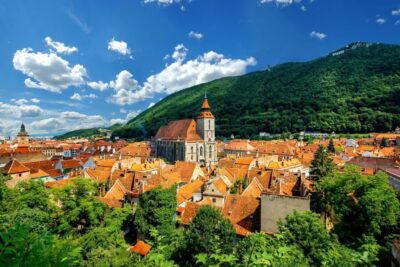
Day Trip to Dracula Castle, Peles Castle & Brașov
Read our review →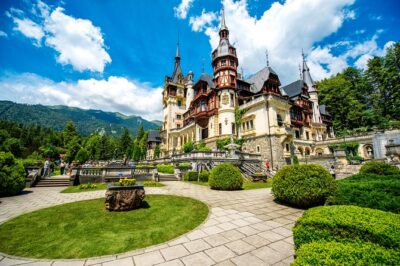
Bucharest to Dracula Castle, Peles Castle and Brasov Guided Tour
Read our review →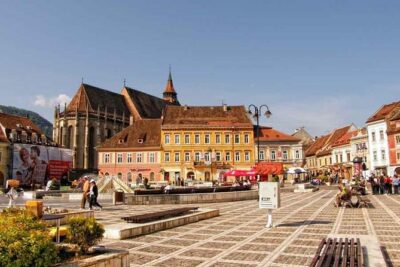
Dracula’s Castle, Peles Castle and Brasov Day Trip from Bucharest
Read our review →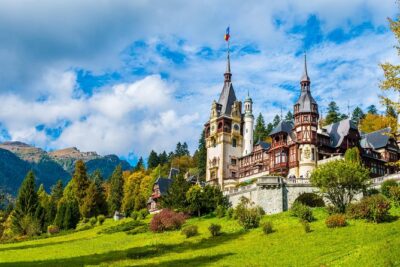
Transylvania and Dracula Castle Full Day Tour from Bucharest
Read our review →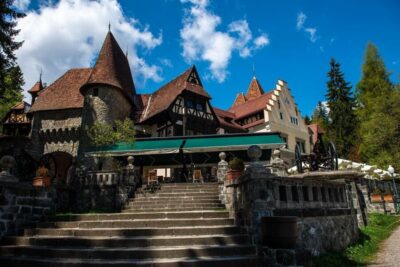
Browse the lists this tour appears in