
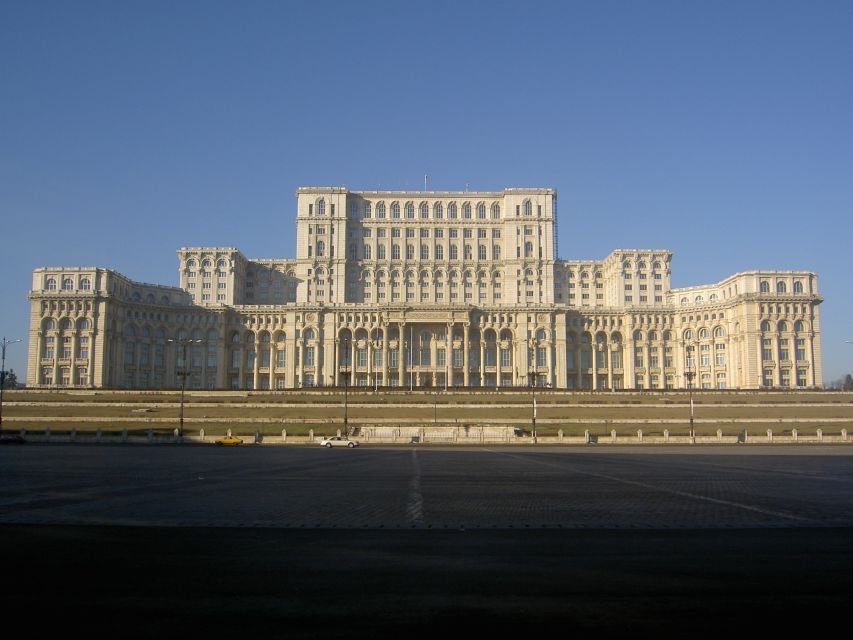
Reviewed · PALACE OF PARLIAMENT TOURS
Bucharest: Palace of Parliament Tickets and Guided Tour
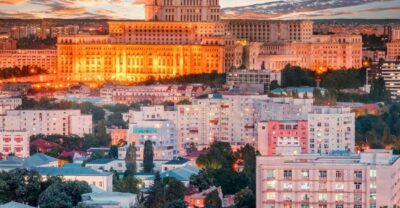
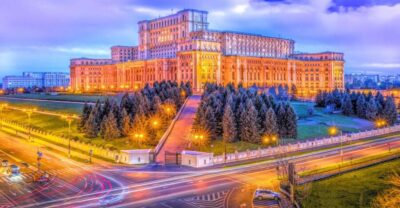
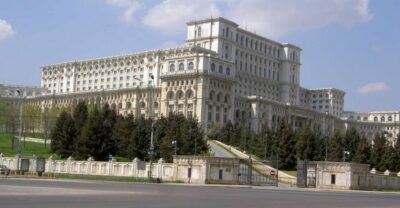
The Palace of Parliament is Bucharest’s great architectural contradiction: a building created by a dictatorship, using Romanian marble, timber, carpets, crystal, and skilled local labor, yet named the House of the People. Inside, enormous staircases and ceremonial halls show the scale of Nicolae Ceaușescu’s ambitions.
I like two things here. First, the official guide gives the building a human and political context instead of treating it as a parade of chandeliers. Guides such as Laurena, Claudiu, and Elena have been praised for clear explanations, humor, and a fair treatment of Romania’s difficult communist period. Second, booking ahead can save you a headache, since arranging Parliament tickets directly is not always simple.
The main drawback is time. The advertised tour lasts one hour, though the full visit with security and entry takes about 1 hour and 15 minutes. You see several major rooms, but not the whole building, and the balcony is currently unavailable. At $28, you are paying partly for convenience and reserved access, not just the admission ticket.
Key points to know before you go
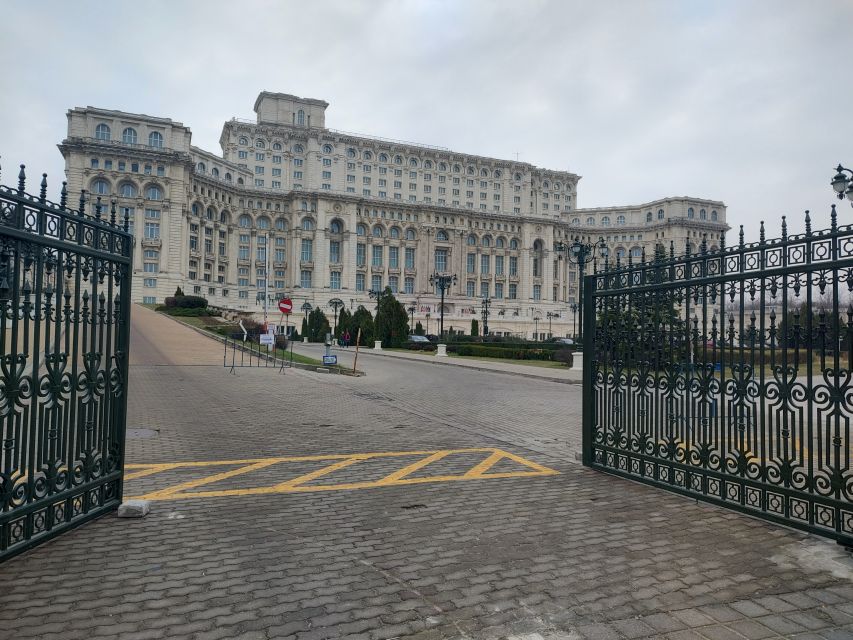
- Built for power, not ordinary people: Construction began in 1984 as a grand headquarters for ministries, Communist Party offices, and senior officials.
- Nine floors rise above four underground levels: The scale becomes clear once you walk through the broad halls and ceremonial staircases.
- Local materials fill the interiors: Romanian marble, crystal, carpets, curtains, timber, and stucco were used throughout.
- The official guide leads the interior visit: Your booking may be coordinated by a local host, but the Parliament guide conducts the actual tour.
- Bring the right identification: An original passport or valid EU identity card is required. A copy or driving license will not be accepted.
- Expect airport-style security: Large bags, luggage, plastic bottles, pets, weapons, and sharp objects are not allowed.
Why the Palace of Parliament matters in Bucharest
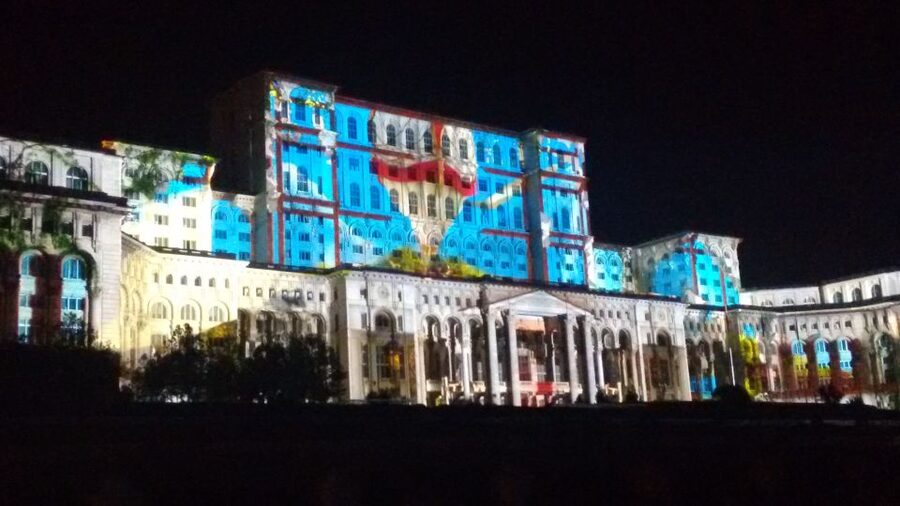
You cannot understand modern Bucharest without seeing this building. It is the clearest surviving symbol of Ceaușescu’s Communist-era rule and one of the largest administrative buildings in the world, often described as the second largest.
Construction began in 1984, during a period when Romania was under severe political control and ordinary people faced shortages. The building was planned to hold government ministries, Communist Party offices, and apartments for senior officials. Its former names tell the story: Casa Republicii, then Casa Poporului, or House of the People.
The last name carried an uncomfortable irony. This was not a public house in the everyday sense. It represented state power, central planning, and the personal ambitions of a ruler who wanted a monumental capital.
The location was chosen with earthquake risk in mind, and the structure includes nine storeys above ground and four underground levels. The result is less a normal palace than a vast ceremonial machine. You walk through spaces designed to impress, control movement, and make visitors feel small.
That political context matters. If you only look at the marble and crystal, you miss why the building can feel both magnificent and troubling. A good guide makes that tension clear.
More Palace of Parliament visits:
- Bucharest: Palace of Parliament Tickets and Guide
★ 4.3 · 3,182 reviews - Bucharest: Parliament Palace Skip-the-line Ticket
★ 4.2 · 1,518 reviews - Bucharest: Parliament Senate Entry Tickets and Guided Tour
★ 4.5 · 163 reviews
Meeting your host and getting through security
Your exact meeting point can change with the option you book. This is the part of the visit where you should pay close attention to messages, especially if the organizer sends updated instructions through WhatsApp.
Several arrangements have been used for this experience. A local host or greeter may help you check in, confirm your reservation, and direct you to the correct entrance. The actual interior tour is generally conducted by a guide working for the Parliament. That distinction explains why the quality of the spoken tour depends mainly on the official guide assigned that day.
The entrance can cause confusion because the building has more than one access point. Do not simply follow a map pin without checking the latest meeting instructions. A few minutes spent confirming the correct door is worthwhile, since late arrival can mean losing your reserved time.
Security is similar to an airport checkpoint. You must show an original passport or valid EU identity card. Copies of documents and driving licenses are not accepted. Leave luggage and large bags elsewhere, and do not bring plastic bottles, pets, weapons, or sharp objects.
The full process takes longer than the advertised one-hour tour. Allow about 1 hour and 15 minutes from the entry procedure through the guided visit. If you have a restaurant booking, airport transfer, or another timed activity, leave a comfortable gap.
The first glimpse: scale before detail
The building’s size is easier to understand inside than from a photograph. Broad corridors, tall stairways, and formal halls repeat one idea: the state is enormous, permanent, and expensive.
You will not walk through every part of the Palace. The route depends on which sections are open and how Parliament is using the building that day. Still, the standard visit includes several of the most important ceremonial spaces and gives you a useful sense of the building’s design.
The first impression is often visual overload. Marble spreads across floors, walls, and staircases. Heavy curtains frame large spaces. Crystal light fittings hang above rooms built for official gatherings rather than comfort. The decorations are lavish, but the style is not delicate or intimate. It is meant to project strength.
I like that the materials themselves tell part of the story. Romanian marble, timber, carpets, crystal, stucco, and curtains were used throughout, with local craftsmen producing much of the work. This gives the building a national identity, even though the political project behind it was highly centralized.
Look closely at the finishing as you move through the rooms. The building is not a museum frozen in time. It remains a working government site, and some practical additions are visible. Cables and signs of wear can interrupt the grand effect. Some visitors have also noticed dirty windows and dusty chandeliers. That contrast is useful: the Palace is impressive, but it is not a perfectly polished movie set.
Conference halls and formal rooms
The route usually passes through conference halls and state rooms used for official meetings. These rooms are much larger than most visitors expect from a normal parliament building.
Here, the guide’s explanation matters more than the room label. You may hear how the rooms were intended to serve the ministries, the Communist Party, or major state gatherings. You may also learn how Romania’s political system shaped the building’s scale and layout.
The decoration has a consistent message. Large carpets, marble surfaces, tall curtains, carved details, and heavy furniture create a formal setting. The rooms are less about personal taste than about ceremony. They were designed to make meetings feel historic before anyone had spoken.
Guides have been praised for adding facts and stories rather than reciting a dry architectural description. Claudiu, for example, has been singled out for explaining the history, decorative styles, and background stories in an engaging way. Laurena has also been praised for presenting the communist period with balance and care, which is especially valuable in a building tied so closely to a painful era.
The group can be moving through echoing halls, so sound quality is not always perfect. One visitor found it hard to hear the guide, while others praised guides who projected clearly. Stay near the guide when possible, and do not hesitate to ask for a point to be repeated.
A few more Bucharest trips worth putting side by side
- From Bucharest: Slănic Prahova Salt Mine Ticket and Transfer
★ 4.6 · 790 reviews - Bucharest: Therme Bucharest Entry Ticket and Transfer
★ 4.6 · 608 reviews - Bucuresti: Therme Bucharest Evening Entry Ticket & Transfer
★ 4.4 · 552 reviews - Bucharest: Museum of Senses Entry Ticket
★ 4.2 · 364 reviews
Marble staircases, carpets, and local craftsmanship
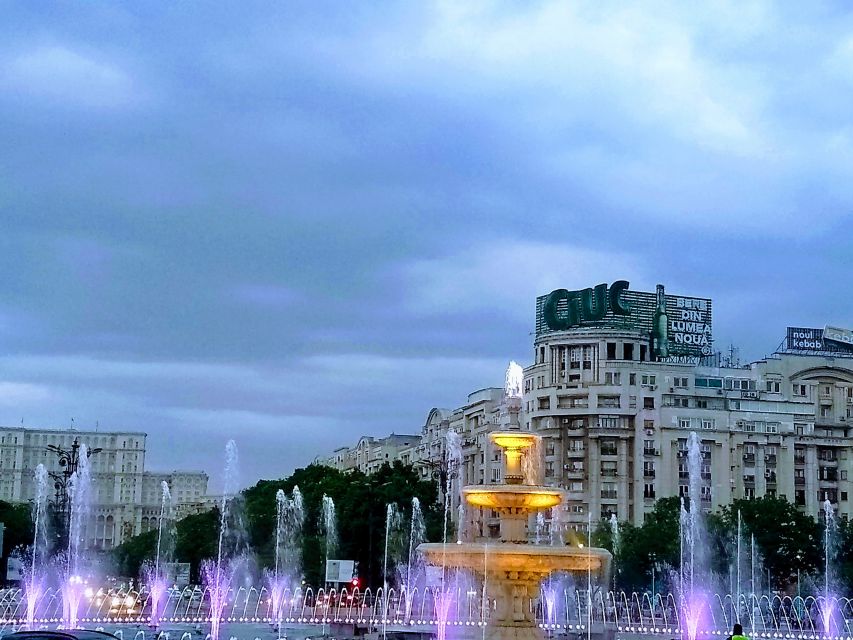
The main staircases are among the most memorable parts of the route. They are wide, ceremonial, and built for processions rather than quick movement. Even without special architectural training, you can see how carefully the building was designed to make ordinary movement feel grand.
The carpets are another strong detail. Large pieces were made in Romania, as were much of the marble and timber work. That local sourcing does not soften the building’s political meaning, but it does show the scale of labor and skill involved.
You may notice that the Palace uses repetition as a design tool. Similar materials and decorative patterns appear across halls and rooms, creating a unified style. The effect is coherent, though some people may find it heavy or excessive.
The building’s craftsmanship is best appreciated slowly. The official route can move quickly, and the hour passes fast. If you are interested in architecture, look up at ceilings, inspect the doorways, and notice how each staircase or gallery frames the next space.
The Senate Plenary Room and changing access
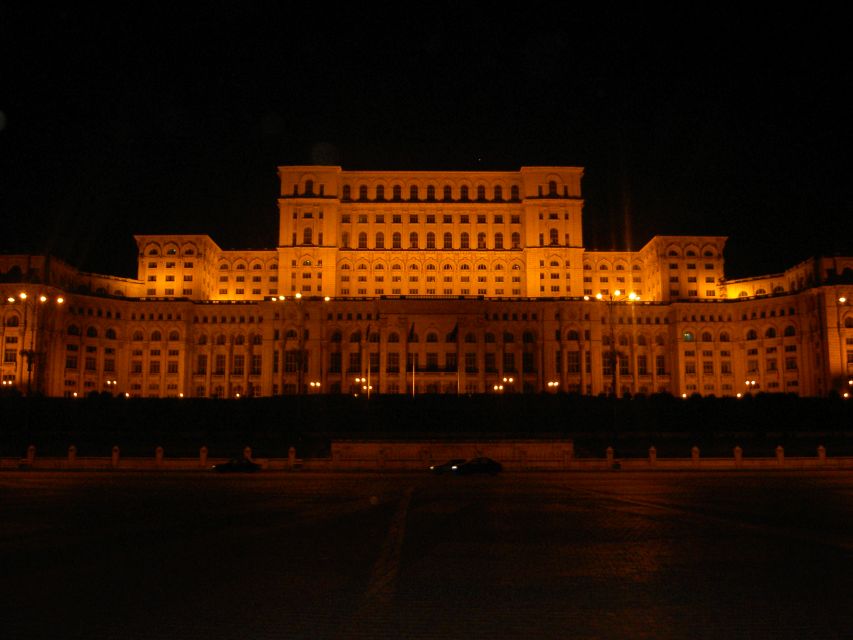
The Plenary Room of the Senate is available only on tours running on that side of the building at weekends. This is an important detail if that room is a priority for you. A standard reservation does not guarantee access to every area.
The same applies to the balcony overlooking the main square. It is currently unavailable, so you should not book this tour expecting the classic balcony view. The building’s interior remains the main attraction.
Access can also change because the Palace is an active government building. Parliament use, security needs, and official events can affect the route. The organization and length of the interior visit are controlled by Parliament, not entirely by the booking company.
That uncertainty is part of the bargain. You get access to a major working state building, but you do not get a fixed museum route with every room guaranteed. If you can accept that, the visit remains worthwhile.
What the guide adds to the experience
The strongest part of this tour is usually the explanation. The architecture is easy to admire, but the story requires care.
You may hear about the decision to build on a site considered relatively safe from earthquakes, the building’s role in Ceaușescu’s plans, and the use of Romanian materials and workers. Good guides also explain what the rooms were meant to do rather than simply naming them.
The best guide reports have included clear English, humor, detailed answers, and a willingness to discuss individual questions. Elena, Alexandra, Claudiu, and Laurena are among the guides specifically praised for friendly and engaging presentations. The guide may be Romanian, English, or Italian depending on the tour and availability.
Language arrangements are not completely firm. If a non-English tour is not available on the day, the reservation may be moved to an English guided visit. If your choice of language is essential, confirm it before relying on the booking.
The booking host and the official guide may be different people. Your local contact may help you reach the correct entrance, while the Parliament guide leads the actual tour. Knowing this avoids confusion if no representative from the booking company walks through the building with you.
Is $28 good value?
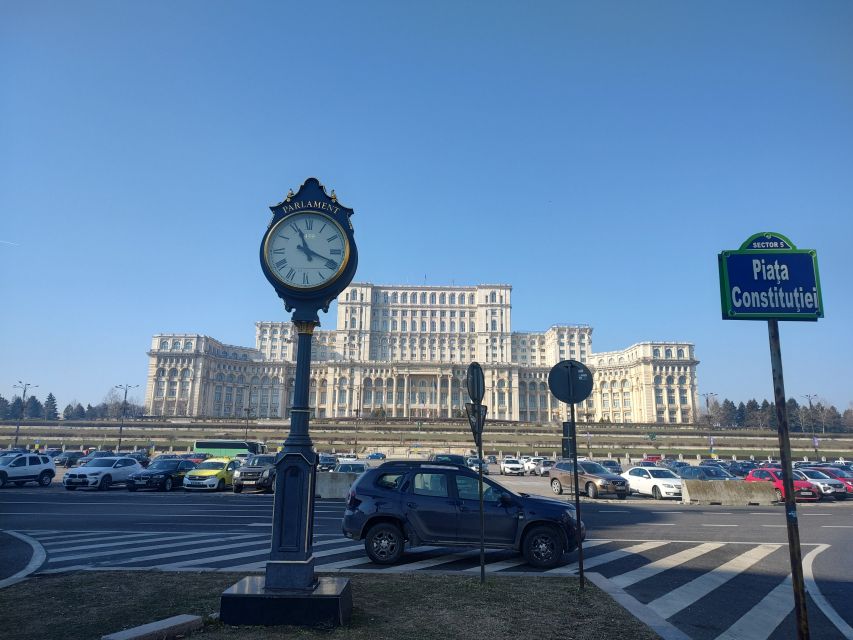
At $28 per person, this is not the cheapest way to see Bucharest’s grandest building. Some direct admission prices may be lower, and several people have questioned the extra commission. The practical value is that you get a reserved place without having to wrestle with an awkward or limited direct booking system.
That convenience matters in Bucharest. The Parliament ticket process can be difficult to arrange, and the official system does not always offer an easy online booking experience. If you have limited time in the city, paying extra for a confirmed reservation can be sensible.
The value also depends on your expectations. You are paying for about one hour inside, not an all-day visit. You will see important rooms and gain useful context, but you will not explore the entire nine-storey building or its four underground levels.
I would call the price fair for a first visit if you want certainty and a guided explanation. It is less attractive if you are price-sensitive, have plenty of time to arrange tickets independently, or expect access to many rooms. The building itself is the reason to go; the booking service is mainly a convenience.
Who should book this Palace of Parliament tour?
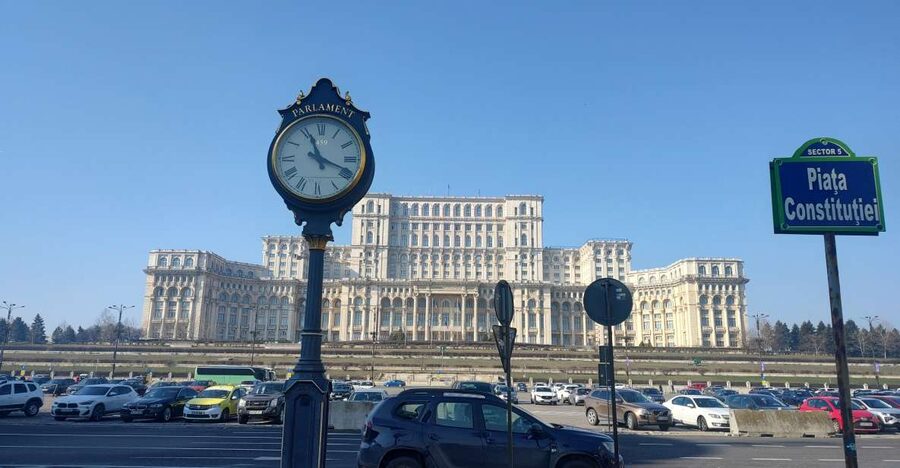
This suits you if you enjoy architecture, political history, or places where beauty and uncomfortable memory share the same room. It is also a strong choice for a first visit to Bucharest, since the Palace is central to understanding the city’s communist past.
The one-hour format works well if your schedule is tight. You can see major interiors without giving up half a day. Families with older children and visitors interested in design should find plenty to discuss, though the formal route may feel serious for very young children.
You should think twice if you need step-free access or have a medical condition that makes standing and walking difficult. The activity is not suitable for wheelchair users or people with pre-existing medical conditions. The route also involves security procedures and movement through large government interiors.
Bring only what you need, arrive early, and keep your identification easy to reach. Do not assume your driving license will work. Most avoidable problems here come from the entrance, the meeting point, or late arrival, not from the tour itself.
Should you book it?
I would book this tour if you want a straightforward way into the Palace of Parliament and value a guide who can explain why the building matters. The architecture is genuinely striking, and the use of Romanian materials gives you details to look for beyond sheer size.
Book with realistic expectations. The visit is short, the balcony is unavailable, the Senate room may depend on the weekend route, and the building can show ordinary maintenance problems. At $28, the strongest argument is reliable access and useful interpretation, not the length of the tour.
If you are in Bucharest for only a few days, this is one of the city’s essential sights. Check the meeting instructions, carry your passport or EU identity card, and leave extra time for security. If you want a long, room-by-room exploration or the lowest possible price, try arranging a direct ticket instead.
FAQ
How long does the Palace of Parliament tour take?
The guided visit inside lasts about one hour. Allow roughly 1 hour and 15 minutes in total, including the entry procedure and security checks.
What identification do I need?
Bring a valid passport or, for EU visitors, an original EU identity card. Copies of documents and driving licenses are not accepted.
Is the balcony open during the tour?
The balcony with views over the main square is currently unavailable. Do not count on balcony access when booking.
Can I visit the Senate Plenary Room?
The Plenary Room of the Senate is available only on tours running on that side of the building at weekends. Access is not guaranteed on every departure.
What languages are available?
The activity is offered in English, Romanian, and Italian. If another language is not available on the day, the reservation may be changed to an English guided tour.
What items are not allowed inside?
Pets, luggage, large bags, plastic bottles, weapons, and sharp objects are not allowed. You must also pass through airport-style security before entering.
Newest Bucharest trips we have written up
- Bucharest: Dealu Mare Winery Private Trip with Wine Tasting★ 4.9 · 6 reviews
- Winery touring & private wine tasting – one day private tour★ 5.0 · 3 reviews
- Traditions in Bucharest: Village Museum and Wine Tasting★ 5.0 · 8 reviews
- Your rendez-vous with Europe’s past: time-travel to Maramures, Transylvania★ 5.0 · 6 reviews
- Village Museum Bucharest Guided Tour★ 5.0 · 6 reviews
- Private Wine Tasting at Bucharest’s First Wine Bar★ 5.0 · 3 reviews
- Walking Tour of Bucharest City Center – Private Tour★ 5.0 · 4 reviews
- Wine tasting in Bucharest Old town – bonus cheese platter★ 4.5 · 6 reviews
Palace of Parliament Tours, compared.
Parliament Senate Entry Tickets and Guided Tour
Read our review →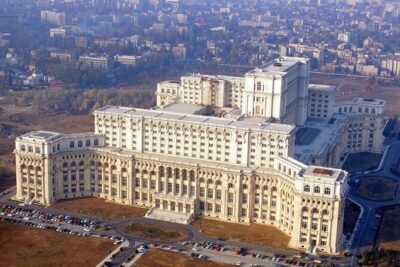
Skip the Line Ticket of the Palace of Parliament in Bucharest
Read our review →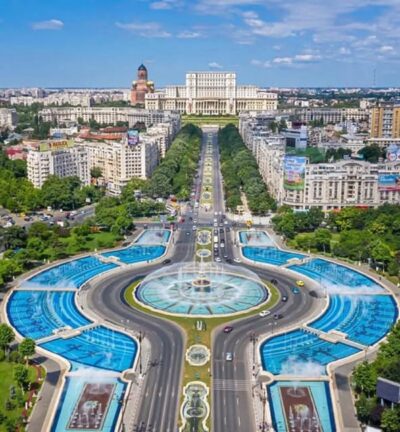
Palace of the Parliament, Village Museum & Ceaușescu Mansion
Read our review →
tour in the Parliament in Italian+exterior visit with guide
Read our review →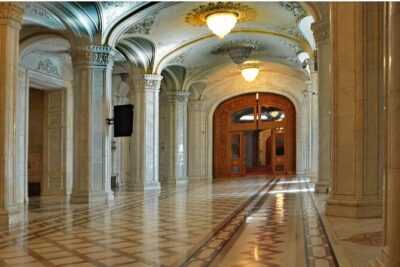
Bucharest Private Tour, Parliament Palace, Ceausescu House Visit
Read our review →
Private Bucharest city tour visit the Palace of the Parliament & Village Museum
Read our review →Browse the lists this tour appears in