
Reviewed · BUCHAREST COMMUNISM AND CEAUSESCU TOURS
Private Bucharest Communist Tour with the People’s House and Ceausescu Residence
The most striking part of this Bucharest tour is the contrast between Ceausescu’s enormous Palace of Parliament and the private world behind the regime’s guarded gates. In one day, you see the building created through national sacrifice, then the polished residence where Nicolae and Elena Ceausescu lived in comfort.
I like the private format, which gives you hotel pickup, your own vehicle, and a guide who can adjust the day to your pace. I also like the human side of the storytelling. Guides such as Mihai, Marcel, Nicole, and Ciprian have brought family memories, old photographs, and clear explanations to the subject. The main drawback is the price, $261.65 per person, plus lunch and a photography fee at Parliament.
Key points
- Palace of Parliament: Enter one of the world’s largest administrative buildings, with a one-hour visit included.
- Spring Palace: See the lavish former home of Nicolae and Elena Ceausescu, now a museum.
- Private transport: Start and finish at your Bucharest hotel, with only your group taking part.
- Personal history: Guides may add old photographs and family stories to explain daily life under communism.
- Soviet-era atmosphere: Stop for lunch at a local restaurant that retains the feel of old Bucharest.
- Full-day scope: Allow 6 to 8 hours for the main sites, driving, lunch, and added city stops.
Why This Tour Helps Explain Communist Bucharest
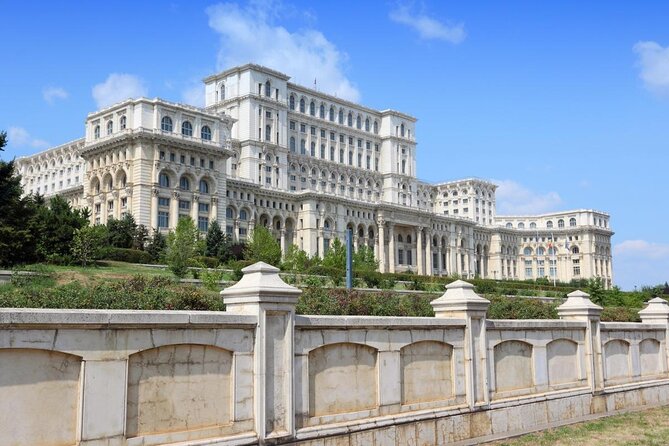
Romania’s communist past can be hard to understand from a quick walk through the Old Town. The architecture is dramatic, but the story behind it involves forced demolitions, political control, shortages, surveillance, privilege, and the violent end of the Ceausescu regime in 1989.
This tour brings those pieces together. You see the public face of power at the Palace of Parliament, the private face at Spring Palace, and the machinery of propaganda at Casa Scînteii, also known as the House of the Free Press or Spark House. You also travel through areas that were once closely controlled because they were connected to the dictator and his family.
I especially like the use of personal stories. Nicole, for example, has used old photographs and memories from her own family to make the period easier to picture. That sort of detail can explain more than a list of dates. It helps you understand how an ordinary person might have experienced life under the regime.
This is not only a tour for political history fans. The buildings also appeal to anyone interested in architecture, urban planning, interiors, or the odd habits of authoritarian rulers. Still, the subject is serious. The tour deals with political prisoners, repression, and the suffering caused by the dictatorship.
More communism and Ceausescu tours in Bucharest:
- The Real tour of Communism
★ 5.0 · 666 reviews - Life under Communism
★ 5.0 · 358 reviews - 3-Hour Guided Tour of Communist Bucharest
★ 4.9 · 303 reviews
Palace of Parliament: A Monument to Excess
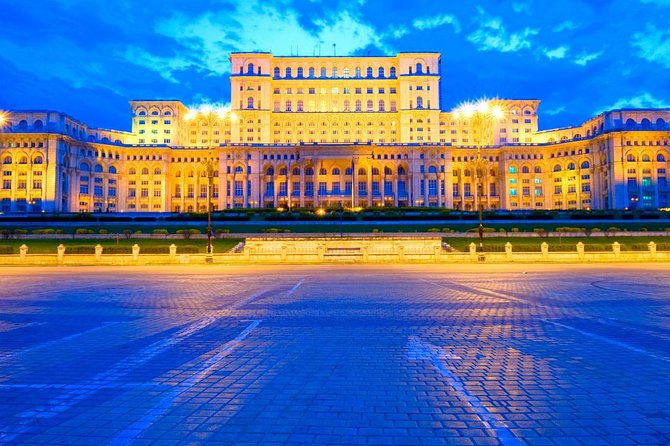
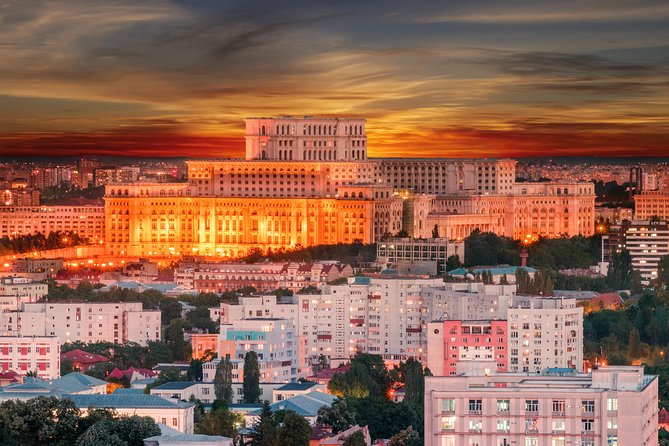
The Palace of Parliament is the main event. Built between 1984 and 1997, it was first called the House of the Republic and later became known as the House of the People. It measures about 240 meters long, 270 meters wide, and 84 meters high.
The building holds a Guinness World Record as the largest administrative building in the world. It is also often described as the second-largest administrative building in the world by overall size, depending on the measurement used. Either way, the scale is difficult to grasp until you are standing in front of it.
Inside, the one-hour visit takes you through grand halls and formal rooms created for state business. The design uses heavy stone, large chandeliers, broad staircases, and lavish materials. The point was not modesty. The building was meant to project the power of the state and the authority of Ceausescu.
The cost behind that display is central to the story. Entire neighborhoods were cleared to make room for the building and its surrounding boulevard. Churches and homes disappeared, and many people were moved with little choice. Your guide can help connect the polished interiors with the hardship outside them.
A photography fee is not included, so budget for that if taking pictures matters to you. The entrance fee itself is included, which removes one common hassle. Parliament security and entry procedures can also take time, so the exact order of the day may shift.
I would not judge this stop only by its size. The best part is the tension between beauty and misuse. It is a place where fine craftsmanship exists beside a painful political legacy.
Casa Scînteia and the Public Face of Propaganda
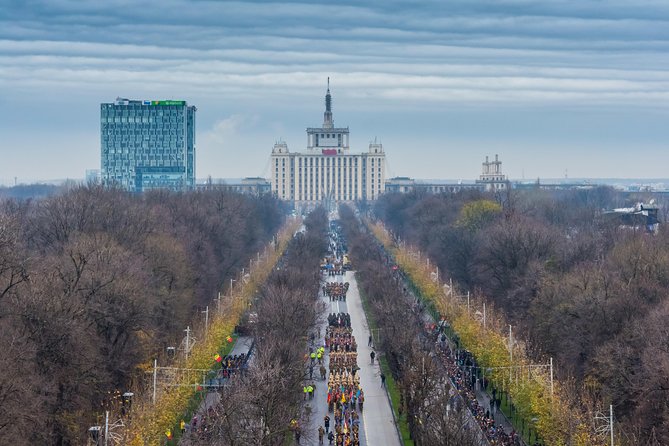
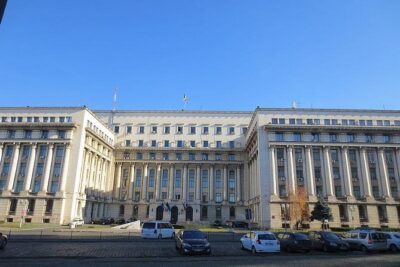
The tour also takes you past Casa Scînteia, the imposing former headquarters of the Central Communist Press. Its name refers to Scînteia, the Communist Party newspaper, and the building once helped control the public message of the regime.
This is an exterior sight rather than a clearly defined interior visit in the supplied schedule, so treat it as a viewing stop during the city drive. Your guide can explain how newspapers and official media shaped what people were allowed to read and believe.
Casa Scînteia matters because communist rule relied on more than police and political prisons. It also needed controlled information. Newspapers, speeches, television, and public ceremonies all helped create the official version of Romania.
For you, the value is in seeing the building in context. The Palace of Parliament shows state power through architecture. Casa Scînteia shows how that power was communicated to the public.
Spring Palace and the Ceausescu Family’s Private World
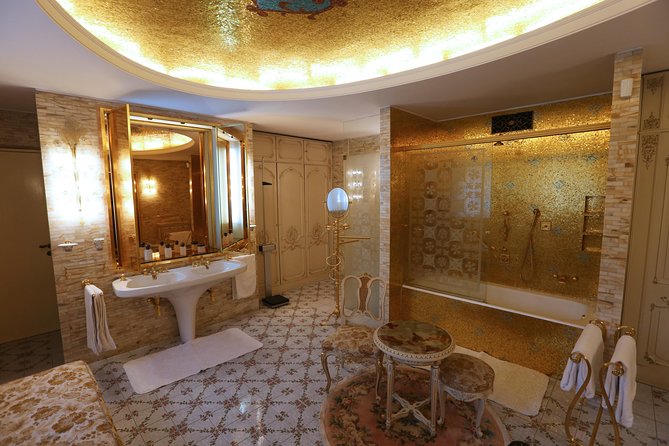
Spring Palace, also called the Ceausescu Residential Palace, offers a very different experience. Built between 1964 and 1965, it was home to Nicolae and Elena Ceausescu from 1965 until their deaths in 1989. It became a museum in 2016.
The house is revealing because it shows private luxury rather than public ceremony. You can expect richly decorated rooms, expensive furnishings, and the comforts of a ruling family that promoted equality while living far above ordinary Romanian households.
This is where the tour’s political story becomes personal. The residence gives you a physical sense of privilege: not just a government office, but a family home protected from the shortages and limits experienced by much of the population.
After the fall of communism, the property served as a VIP residence for official delegations and foreign presidents. That later use adds another layer, but the museum’s main interest remains the Ceausescu period.
You receive admission to Spring Palace, and the visit takes about an hour. The museum is not huge, so the guide’s explanation matters. Without context, you may simply see an old luxury residence. With a good guide, the rooms become evidence of how the regime worked.
Marcel has been praised for explaining the 1989 collapse in detail, and Claudia has been noted for making both the residence and Parliament accessible to people interested in architecture. This is one of the strongest reasons to book a private tour rather than visit the buildings without a guide.
A few more Bucharest trips worth putting side by side
- Castles of Transylvania: Private Day Trip from Bucharest
★ 4.5 · 248 reviews - Dracula’s Castle, Peles Castle and Brasov – Private Day Trip from Bucharest
★ 5.0 · 211 reviews - Best of Bucharest | Private Walking Tour
★ 5.0 · 199 reviews - Bucharest Panoramic Sightseeing – Private City Tour
★ 5.0 · 128 reviews
Formerly Restricted Neighborhoods and the End of the Regime
The tour takes you through the part of Bucharest where Ceausescu and his family lived. This was once an inaccessible area, protected because of its connection to the country’s ruling circle.
The point is not simply to look at grand houses. It is to understand how separate the leadership had become from ordinary life. As you move through the district, your guide can explain how access, security, and privilege worked around the ruling family.
The story reaches its most dramatic point in December 1989, when protests led to the fall of communism. Romania’s transition was especially violent compared with many other countries in Eastern Europe. Nicolae and Elena Ceausescu were captured and executed after a brief military trial.
A good guide will not reduce this to a simple story of villains and heroes. The tour is strongest when it explains the long years of fear and control, then shows how quickly the system broke apart once public resistance reached a critical point.
This part of the day is also where personal accounts help. A guide who can explain how relatives experienced shortages, censorship, or political pressure gives you a more grounded view than a purely official account.
Remembering Prisoners and Victims
The experience includes a tribute to political prisoners and other victims of the communist regime at a memorial museum. The supplied details do not identify the museum by name or specify the length of the visit, so the exact arrangement may depend on the day’s schedule.
This stop matters because the tour is not only about buildings connected to the dictator. It also recognizes the people who suffered under the system. Political imprisonment, intimidation, and forced conformity shaped Romanian life for decades.
Expect the tone to become more reflective here. If you prefer a light sightseeing day, this may feel heavy. If you want to understand the cost of communist rule, it adds necessary balance to the grand architecture and palace interiors.
Ask your guide questions as you go. A private tour gives you room to pause when a subject needs more explanation, rather than moving at the pace of a large group.
Lunch in an Old Bucharest Setting
Lunch is not included in the $261.65 price, but the tour allows a stop at a local restaurant that retains the atmosphere of Soviet-era Bucharest. The estimated cost is about €13 per person.
This is more useful than an ordinary meal break. Food and setting can help you picture how public life felt during the communist period, even if the restaurant is not a perfect recreation of that time. One guide also took a group to a restaurant with a pleasant atmosphere and a pretty view, showing that the meal can be an enjoyable pause between museum visits.
Do not expect lunch to be a formal part of the admission package. You pay for it separately, and the exact menu is not specified. Bring some flexibility, since the timing may depend on the length of the Palace of Parliament visit and traffic.
The stop also gives you time to discuss the morning. After seeing the presidential residence and state buildings, a meal is a useful moment to sort out what you have seen.
Private Transport and the Value of the Price
At $261.65 per person, this is not a budget tour. The value depends heavily on your group size. Since the activity is private, your party receives hotel pickup and drop-off, private transportation, an English-speaking guide, and admission to both major residences.
The cost also buys time. You do not need to work out Bucharest transport between the Palace of Parliament, Spring Palace, Casa Scînteia, the former restricted district, and the memorial stop. You can focus on the story while someone else handles the route.
For a couple or small group, the price may feel high. For a larger private party, group discounts could make the calculation more favorable. The tour lasts about 6 to 8 hours, so you are paying for most of a day rather than a short museum visit.
I would compare the price with the cost of arranging separate tickets, a car, and a guide. You still need to add lunch, personal expenses, and the photography fee at Parliament. The tour is easiest to justify if you value convenience, a private setting, and historical explanation more than the lowest possible price.
What the Guides Add
The guide may be English-speaking or multilingual, so confirm your language needs when booking. The named guides associated with this experience include Mihai, Marcel, Claudia, Ciprian, Bogdan, Nicole, and Alexandra, though the person assigned to your date can vary.
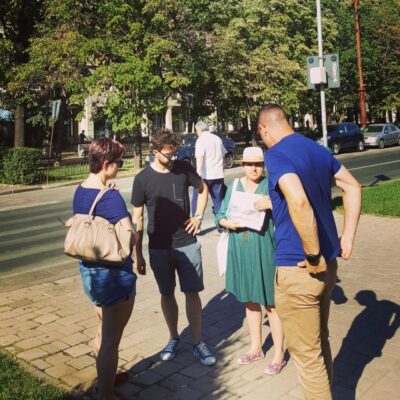
The strongest guide style here is conversational and personal. Mihai has combined the major visits with a walking tour of the historic center and stops at monasteries. Another guide helped a sick participant find a local market and pharmacy, translating along the way. Those examples suggest that the private format can offer practical help when needed.
Alexandra has also included Bucharest highlights, lunch in the Old Town, and an easygoing explanation of communist Romania. Some guides may even use the city metro for part of the day, giving you a chance to see local transport with someone who knows the system. That is not listed as a fixed part of every departure, so do not assume it is guaranteed.
The best fit is a guide who can explain both national politics and daily life. Bogdan has focused on Romania’s wider challenges, while Ciprian has been praised for clear and lively explanations. You should feel free to ask for more detail on subjects that interest you, especially because nobody outside your group is setting the pace.
Timing, Age Limit, and Booking Details
Pickup begins at 10:00 a.m. in front of your hotel anywhere in Bucharest. The tour ends with drop-off at your hotel, though traffic and the day’s exact sequence can affect the finish time.
Plan on 6 to 8 hours. Wear comfortable shoes, since you may combine vehicle stops with walking through large buildings and city areas. The tour is open to most people, but the minimum age is 12, and children must be accompanied by an adult.
Reservations need to be made at least 48 hours ahead. Confirmation arrives at booking, and free cancellation is available until 24 hours before the start time. A cancellation or change made less than 24 hours before departure is not accepted for a refund.
Who Should Book This Bucharest Communist Tour?
I would recommend it most strongly to people who want political history explained clearly rather than simply photographed. It also suits architecture fans, first-time Bucharest visitors who want hotel pickup, and anyone who prefers a private day over a fixed group schedule.
You may want a different plan if you only have a few hours, dislike serious historical subjects, or need to keep costs very low. The tour covers a lot, and the subject matter can be emotionally weighty.
For the best value, book it with at least two or three people, confirm the guide language, and ask what memorial stop and city additions are planned for your date. Bring money for lunch and the Parliament photography fee. If you want the Ceausescu story tied to real places, private transport, and personal explanation, this is a strong full-day choice. If you only want to enter Parliament, a shorter visit will cost less and take less time.
FAQ
How long does the Bucharest Communist Tour last?
The tour lasts approximately 6 to 8 hours, depending on the day’s schedule, traffic, meal stop, and time spent at each site.
What time does the tour begin?
Pickup begins at 10:00 a.m. in front of your hotel in Bucharest.
Is hotel pickup included?
Yes. Pickup and drop-off at any hotel in Bucharest are included.
Is this a private tour?
Yes. Only your group participates in the private activity.
Which main attractions are included?
Admission is included for the Palace of Parliament and the Ceausescu Residence, also known as Spring Palace.
Is lunch included in the price?
No. Lunch is separate and costs approximately €13 per person.
Is the photography fee at Parliament included?
No. The photography fee at the Palace of Parliament is not included.
What language is the tour offered in?
The tour is offered in English, though it may be operated by a multilingual guide.
Is there a minimum age?
Yes. The minimum age is 12, and children must be accompanied by an adult.
How far in advance must I book and cancel?
Reservations should be made at least 48 hours in advance. You can cancel for a full refund up to 24 hours before the start time.
Newest Bucharest trips we have written up
- Bucharest: Dealu Mare Winery Private Trip with Wine Tasting★ 4.9 · 6 reviews
- Winery touring & private wine tasting – one day private tour★ 5.0 · 3 reviews
- Traditions in Bucharest: Village Museum and Wine Tasting★ 5.0 · 8 reviews
- Your rendez-vous with Europe’s past: time-travel to Maramures, Transylvania★ 5.0 · 6 reviews
- Village Museum Bucharest Guided Tour★ 5.0 · 6 reviews
- Private Wine Tasting at Bucharest’s First Wine Bar★ 5.0 · 3 reviews
- Walking Tour of Bucharest City Center – Private Tour★ 5.0 · 4 reviews
- Wine tasting in Bucharest Old town – bonus cheese platter★ 4.5 · 6 reviews
Bucharest Communism and Ceausescu Tours, compared.
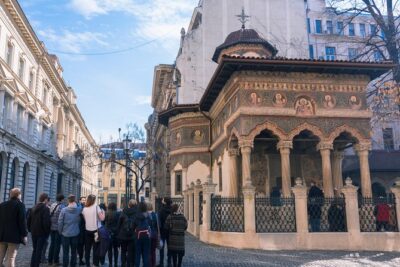
Bucharest Essential Tour: Old Town, Calea Victoriei & Communism
Read our review →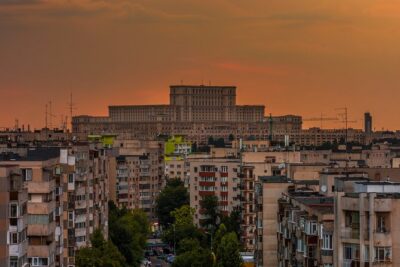
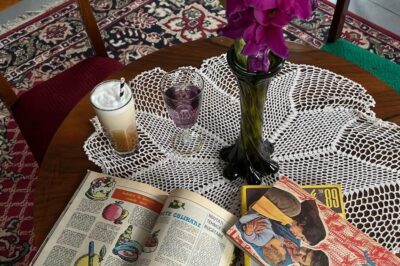

Museum of Communism Ticket with Communist Coffee
Read our review →
Dinner+Tour at Museum of Communism after closing
Read our review →Browse the lists this tour appears in