
Reviewed · BUCHAREST COMMUNISM AND CEAUSESCU TOURS
Bucharest: Private Last Days of Ceausescu Tour in a Dacia
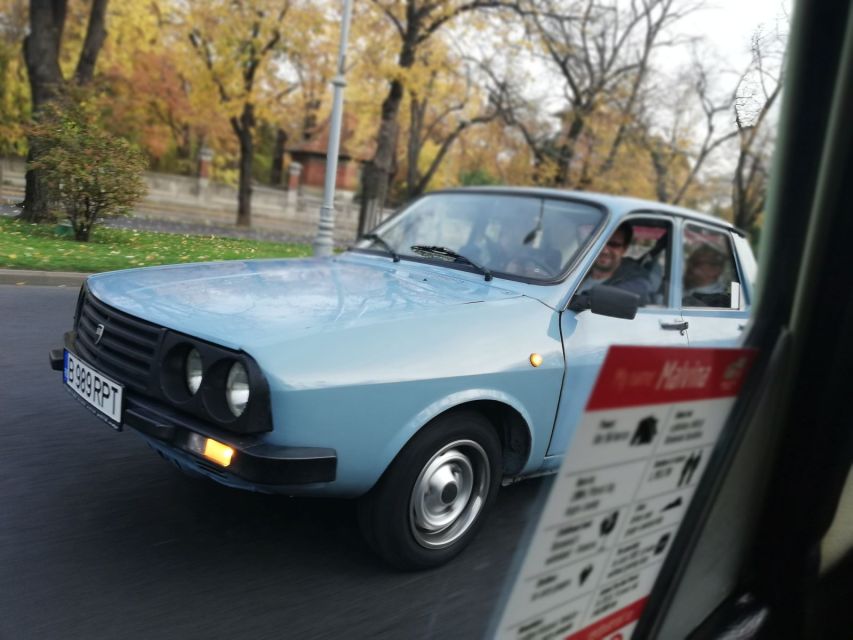
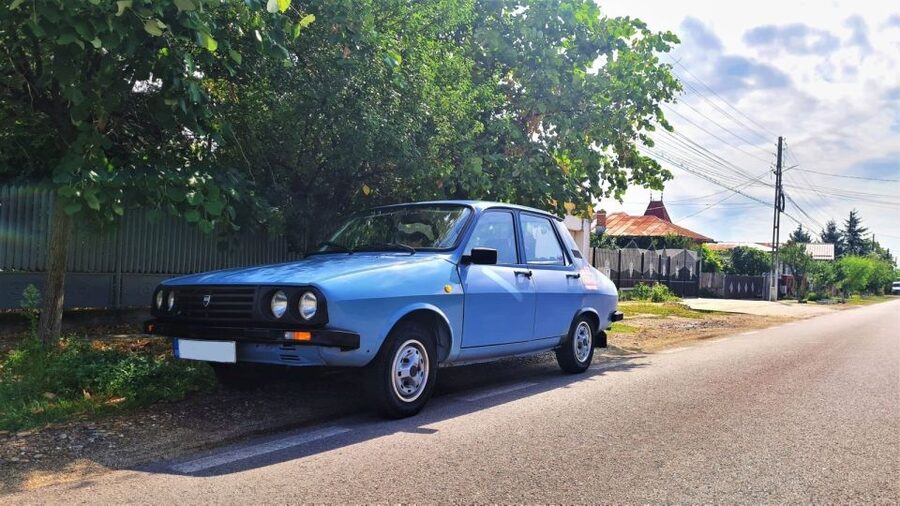
The most unusual part of this Bucharest tour is the car. You follow Nicolae and Elena Ceausescu’s frantic escape from the Communist Party headquarters in a restored classic Dacia, the same kind of practical Romanian car that once filled the country’s roads. The route reaches beyond the capital to Targoviste, where their flight ended in arrest, trial, and execution.
I like the tour’s clear connection between places and events, especially the stop at Revolution Square and the visit to Ceausescu’s private home, Primaverii Palace. I also like the personal touch: guide Serban and his team explain the story in a friendly, flexible way, with time for photographs, water in the car, and breaks along the long drive. The main drawback is the length and road travel. It lasts about six hours, covers roughly 180 kilometers in total, and is not suitable for children under 10, pregnant women, people with back or heart problems, or anyone over 70.
Key points to know before you book
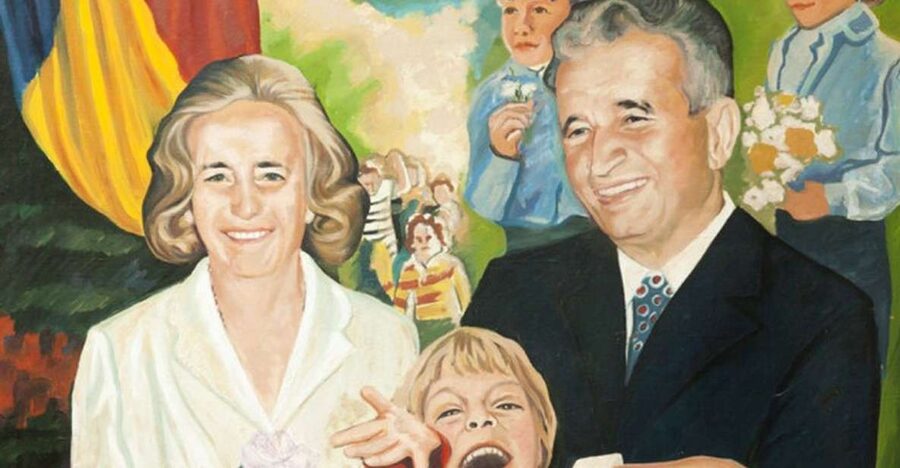
- Follow the escape route in a vintage Dacia: Travel in a fully restored classic car, with no more than three people per car.
- See the final locations in person: Visit Revolution Square, the helicopter stop, the place where Ceausescu sought help, and the detention and execution building near Targoviste.
- Visit Primaverii Palace: Enter the private residence where Nicolae and Elena Ceausescu lived from 1965 to 1989, with admission included.
- Expect a history-led day: The tour focuses on the final hours of the Romanian dictatorship, not general Bucharest sightseeing.
- Plan for a long ride: The route runs out toward Targoviste and back, with about 90 kilometers each way.
- Choose this for a private experience: Hotel pickup and drop-off are included, and larger bookings travel in a small convoy of two or three Dacias.
Why this tour matters in Bucharest
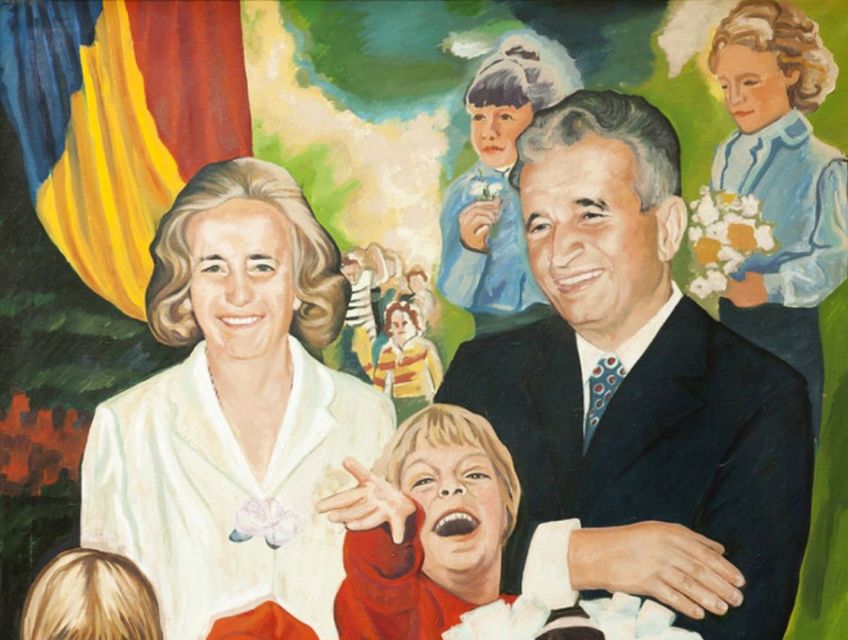
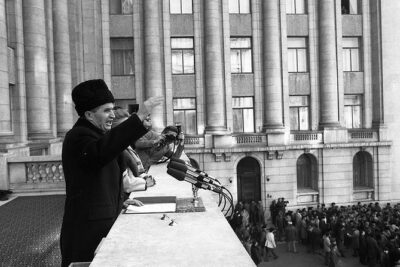
Romania’s 1989 revolution can feel abstract if you only read about it in a book. This tour gives the story a physical route. You begin at the square where Ceausescu addressed a crowd on December 21, 1989, and where the authority of the Communist government began to collapse.
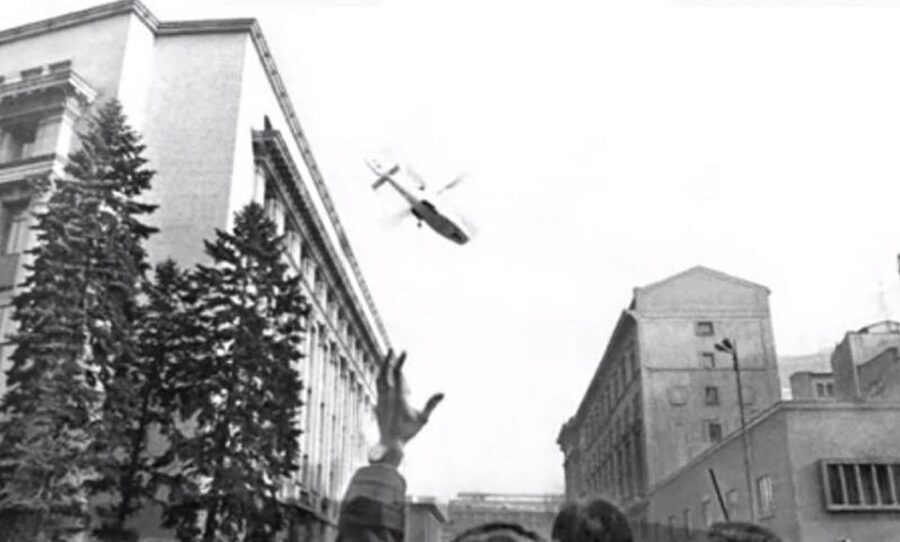
The next day, December 22, the crisis moved quickly. At 12:07 p.m., Ceausescu and Elena left the roof of the Communist Party headquarters by helicopter as about 100,000 people surrounded the building and demanded his resignation. The tour follows what happened after that escape attempt, step by step.
That sequence is the strength of the experience. You are not simply shown a memorial or a museum display. You move through the choices Ceausescu made after he lost control: where he flew, where he abandoned the helicopter, where he tried to find support, and where the authorities detained him.
The guide’s role matters here. Serban, named in the tour information, is described as friendly, attentive, and able to adjust the explanation to your interests. That is useful on a subject with many names, dates, and political details. You can ask questions as the story unfolds instead of trying to absorb everything from a guidebook.
More communism and Ceausescu tours in Bucharest:
- The Real tour of Communism
★ 5.0 · 666 reviews - Life under Communism
★ 5.0 · 358 reviews - 3-Hour Guided Tour of Communist Bucharest
★ 4.9 · 303 reviews
Starting at Revolution Square
The tour begins with pickup in Bucharest, followed by a visit to Revolution Square. Allow about 40 minutes here for photographs, explanation, and a closer look at the place where the old regime began to lose its grip.
This is the right starting point because the square links the public face of power with the first visible signs of collapse. Ceausescu’s speech and the events around the Communist Party headquarters mark the beginning of the final day. From here, the tour shifts from a fixed city site to a moving account of escape.
You will hear about the crowd outside the building, the pressure on the leadership, and the decision to leave by helicopter. The story is not presented as a neat military operation. It was a hurried attempt to regain control after almost 24 years of Ceausescu’s presidency.
The square is also one of the easier stops for photographs. You will leave the car at the main points, so wear shoes that let you walk comfortably around the site. The tour is not built around long city walks, but it does include several short stops.
Riding the Dacia beyond Bucharest
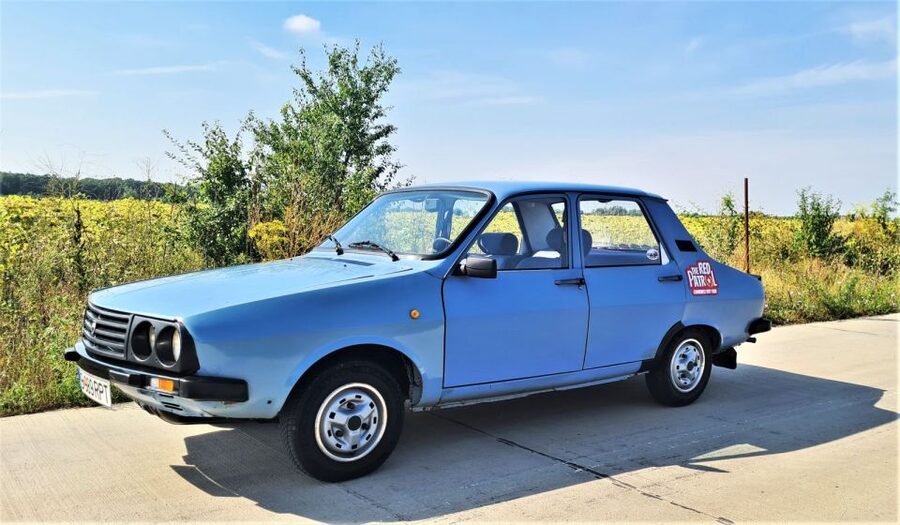
The Dacia is more than a decorative extra. It changes the feel of the day. Instead of sitting in a standard tour van, you ride in a restored Romanian classic that connects the modern trip with the period being discussed.
The car is limited to three people. If your booking includes more than two people, the group travels in a convoy of two or three cars. That keeps the experience private while allowing the tour to handle a slightly larger party.
The drive toward Targoviste is the longest part of the day. The route covers about 90 kilometers toward the detention site and the same distance back to Bucharest, for about 180 kilometers of transport overall. One practical advantage is that water is provided in the car, and breaks for the toilet and lunch can be arranged during the journey.
The Dacia is reported to be more comfortable than some people might expect from a vintage car, but you should still be realistic. This is an old-style vehicle experience, not a luxury road trip. Anyone with back problems should skip it, and the tour is also unsuitable for people with heart problems or pregnant women.
The helicopter escape and the secret stops
After Revolution Square, the route follows the first stage of the escape. Two short stops are described as secret stops, with one lasting about 15 minutes and another about 10 minutes. Their purpose is to explain the places connected with Ceausescu’s movement after leaving Bucharest and to give you time for photographs.
The most striking part of this section is the change in Ceausescu’s situation. He began the day as Romania’s most powerful political figure. Once he left the capital, he was trying to find a safe route and people willing to support him.
At one point, he abandoned the helicopter and continued in a Dacia. That detail makes the vintage car feel especially appropriate. You are not simply driving an old Romanian vehicle for atmosphere. The car reflects the transport used during the confused final stage of his escape.
Because the exact names of the short stops are not given in the tour details, you should think of them as guide-led story stops rather than formal museums. Their value depends on the explanation you receive on site. Serban’s ability to adapt the talk to your questions can make these brief pauses much more useful than a quick photograph alone.
A few more Bucharest trips worth putting side by side
- Castles of Transylvania: Private Day Trip from Bucharest
★ 4.5 · 248 reviews - Dracula’s Castle, Peles Castle and Brasov – Private Day Trip from Bucharest
★ 5.0 · 211 reviews - Best of Bucharest | Private Walking Tour
★ 5.0 · 199 reviews - Bucharest Panoramic Sightseeing – Private City Tour
★ 5.0 · 128 reviews
Targoviste and the last hours museum
The route continues to Targoviste, where Ceausescu tried to find support from workers and the army. The stops include a steel factory and a militia station. His effort to organize a response failed, and he was arrested.
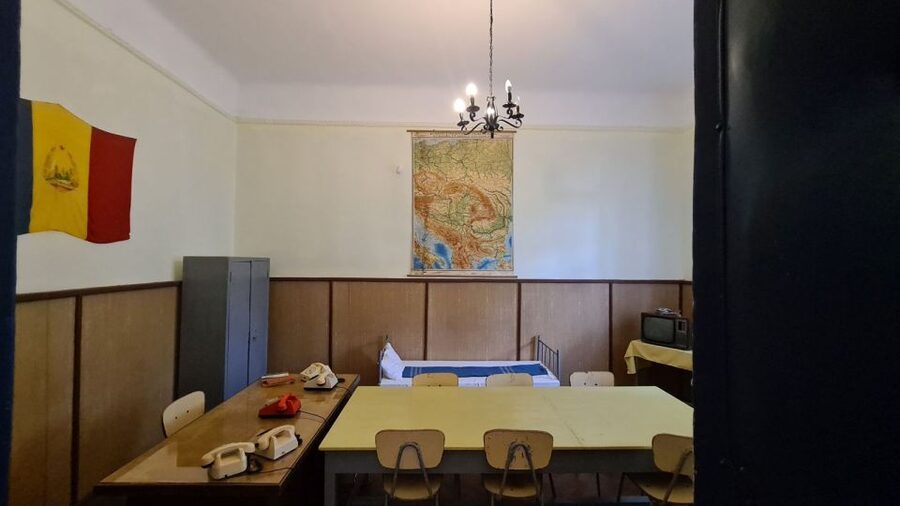
A visit to the Ceausescu Last Hours Museum lasts about 25 minutes. This is the point where the tour moves from escape story to detention. The museum helps set out the final part of the timeline and gives the guide a place to explain what happened after the arrest.
For me, the value of this stop is its scale. Ceausescu’s final day was not only played out in famous government buildings. It also involved ordinary institutions such as a factory, a police or militia station, and a place used for detention. Those locations show how quickly the machinery of power changed sides.
You should not expect a large museum visit with hours of exhibits. The scheduled time is short, so the guide’s narration remains central. Pay attention to the sequence of events and ask questions while the details are fresh.
The detention, trial, and execution building
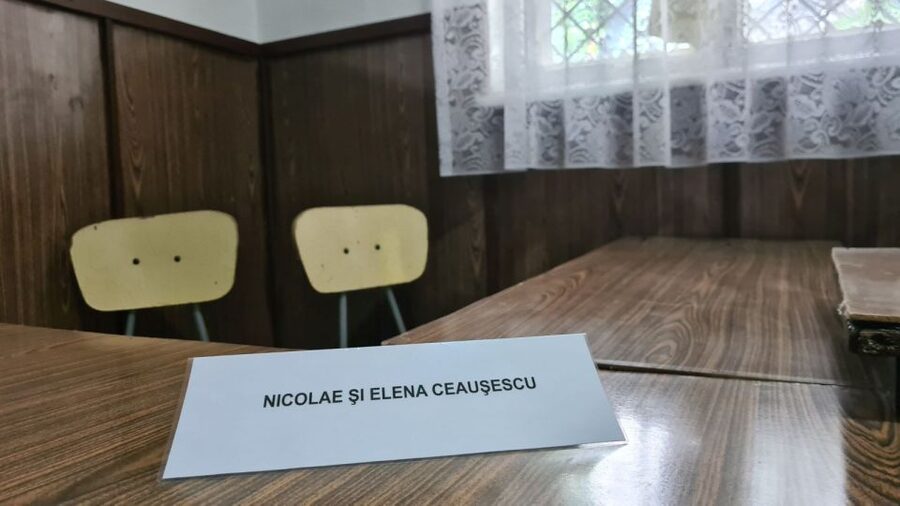
The tour then stops at the building where Nicolae and Elena Ceausescu were detained, judged, and executed on December 25, 1989. This is one of the most serious parts of the day, and the guide’s tone matters more here than a dramatic presentation.
The building’s interior is not accessible because of renovation. You will see the site from the outside and hear the account of the final proceedings. That limitation is important. If you are booking mainly to enter the execution room, this tour will not meet that expectation at present.
Even without interior access, the stop gives the final day a clear endpoint. You have followed the Ceausescus from the political center of Bucharest, through their failed attempt to regain support, to their arrest and detention. The distance between the grand presidential world and the ordinary building used for their final confinement is hard to miss.
The subject can be disturbing. This is not a light sightseeing outing, and children under 10 are not accepted. I would also avoid scheduling it immediately before another major activity if you prefer time to process what you have heard.
Inside Primaverii Palace
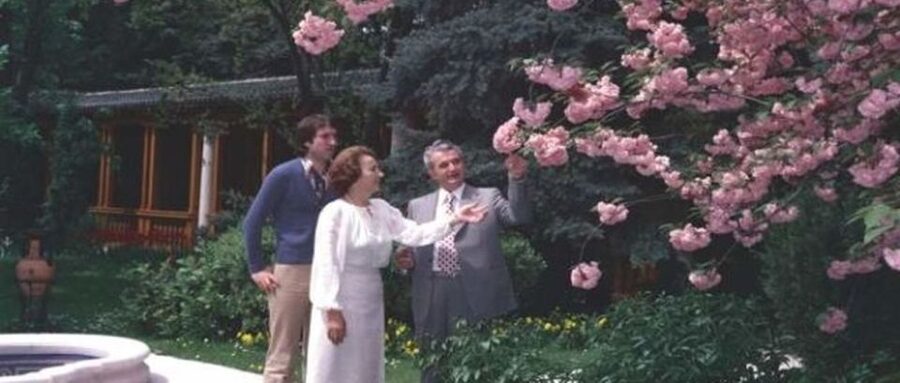
Back in Bucharest, the tour ends with a guided visit to the Palace Primaverii, also called the House of Ceausescu. This was the private residence of Nicolae and Elena from 1965 until 1989. Admission is included.
The palace gives you a useful contrast with the detention site. Earlier in the day, you see how power collapsed in public. Here, you see the private setting built around the ruling couple during their years at the top.
The visit lasts about an hour, making it the longest formal stop after Revolution Square. You can expect a guided look at the presidential residence rather than a general royal palace visit. The point is to understand how the Ceausescus lived and how separate their private world was from the wider Romanian population.
I like the placement of this visit at the end. If you entered the residence first, it might feel like a standard historic-house tour. After following the escape and arrest, the rooms carry more meaning. The visit also rounds out the story by showing the life that ended so abruptly in December 1989.
The guide, the private format, and the pace
This is a private group experience, so you have more room to ask questions than you would on a large coach tour. The guide and driver are included, and the same person may handle both roles depending on the group setup.
The strongest praise attached to the experience is directed at the guides, especially Serban. The useful detail is not simply that he knows the subject. He is described as explaining the story clearly, adjusting information to personal interests, and helping with another trip booking when asked. That suggests a hands-on approach rather than a script delivered at fixed speed.
The pace is fairly full. You begin in central Bucharest, drive to Targoviste, make several short stops, visit the museum, return to Bucharest, and finish at Primaverii Palace. Lunch and toilet breaks are made during the day, but you should still start with comfortable clothes and sensible shoes.
Hotel pickup and drop-off in Bucharest are included. Be ready 10 minutes before your stated pickup time. The tour is conducted in English, and you need to bring a passport or ID card.
What the $223 price means

At $223 per person, this is not a budget sightseeing tour. The price makes more sense if you value a private car, a full-day route outside Bucharest, a local guide, and admission to Primaverii Palace.
You are paying for more than a short city walk. The transport covers roughly 180 kilometers, the group stays small, hotel transfers are included, and the classic Dacia is part of the experience. The Palace museum entrance, water, a tour newspaper, and a personalized gift are also included.
Value depends on your interests. If you only want a general introduction to communism in Romania, a city museum or a shorter walking tour may cost less and take less time. If you want to connect the final day to its actual route and prefer a private setting, the price is easier to justify.
The tour can also work well for two people sharing the experience, since the car holds up to three. Larger groups should remember that they may be split between two or three cars, although the convoy format keeps everyone on the same route.
Who should book this experience
I would choose this tour if you have already seen some of Bucharest and want a focused account of the 1989 revolution. It suits people who like political history, personal stories, unusual transport, and visits that connect directly to major events.
It is also a good choice if you prefer asking questions in a private group. The guide can spend more time on the parts that interest you, whether that means Ceausescu’s leadership, the mechanics of the escape, daily life under communism, or the final trial.
You should think twice if you dislike long drives or vintage cars. The day includes a considerable amount of road travel, and the final site is not open inside because of renovation. People with back or heart problems, pregnant women, children under 10, and those over 70 should not book this activity based on the stated restrictions.
Free cancellation is available up to 24 hours before the start, and you can reserve now and pay later. Those terms help if your Bucharest schedule is still changing, but they do not make the physical demands of the day any lighter.
Should you book the Last Days of Ceausescu Tour?
Book it if you want a specific, place-based account of Romania’s 1989 revolution rather than a broad overview. The restored Dacia, the route to Targoviste, the museum, and Primaverii Palace make this a distinctive six-hour experience.
I would not book it simply because you want to ride in an old car. The car is memorable, but the subject is serious and the route is long. Go for the historical connection, the private guide, and the chance to follow the final day from Revolution Square to arrest and execution.
For many visitors, the strongest combination is the guide-led storytelling and the physical route. You hear how the Ceausescus lost control, then travel through the places tied to their failed escape. If that sounds more valuable to you than a quick city tour, this is a worthwhile use of a day in Bucharest.
FAQ
How long does the tour last?
The activity lasts about six hours. Starting times depend on availability.
Where does the tour begin?
Pickup is available from your hotel in Bucharest. You should be ready 10 minutes before pickup.
Is the tour private?
Yes. It is offered as a private group experience.
What language is the tour in?
The live guided tour is conducted in English.
How many people fit in each Dacia?
Each car carries up to three people. Groups larger than two may travel in a convoy of two or three cars.
Does the tour visit Revolution Square?
Yes. Revolution Square is the first main stop, with about 40 minutes for guided sightseeing and photographs.
Does the tour reach the place where Ceausescu was executed?
Yes. You visit the building in Targoviste where Nicolae and Elena Ceausescu were detained, judged, and executed. The interior is not accessible because of renovation.
Is entry to Primaverii Palace included?
Yes. Entrance to the Palace Primaverii museum is included, along with a guided visit of about one hour.
Is food included?
Food is not listed as included. A lunch break is made during the tour, but you should confirm the arrangements when booking.
Who should not take this tour?
The tour is not suitable for children under 10, pregnant women, people with back or heart problems, or people over 70. Pets, baby strollers, alcohol, and drugs are not allowed.
What should I bring?
Bring a passport or ID card. Comfortable clothing and shoes are sensible for the stops and long drive.
Can I cancel the booking?
You can cancel up to 24 hours in advance for a full refund. Reserve now and pay later is also available.
Newest Bucharest trips we have written up
- Bucharest: Dealu Mare Winery Private Trip with Wine Tasting★ 4.9 · 6 reviews
- Winery touring & private wine tasting – one day private tour★ 5.0 · 3 reviews
- Traditions in Bucharest: Village Museum and Wine Tasting★ 5.0 · 8 reviews
- Your rendez-vous with Europe’s past: time-travel to Maramures, Transylvania★ 5.0 · 6 reviews
- Village Museum Bucharest Guided Tour★ 5.0 · 6 reviews
- Private Wine Tasting at Bucharest’s First Wine Bar★ 5.0 · 3 reviews
- Walking Tour of Bucharest City Center – Private Tour★ 5.0 · 4 reviews
- Wine tasting in Bucharest Old town – bonus cheese platter★ 4.5 · 6 reviews
Bucharest Communism and Ceausescu Tours, compared.

Bucharest Essential Tour: Old Town, Calea Victoriei & Communism
Read our review →

Museum of Communism Ticket with Communist Coffee
Read our review →
Dinner+Tour at Museum of Communism after closing
Read our review →Browse the lists this tour appears in