
Reviewed · SNAGOV MONASTERY AND DRACULAS GRAVE TOURS
Snagov Monastery, Ceaușescu Mansion, & Village Museum – 6h
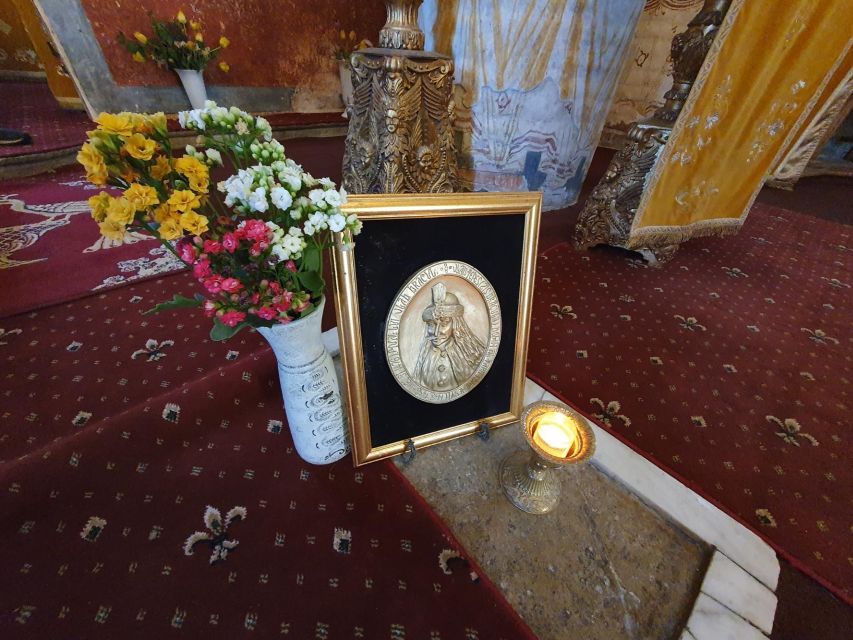
Snagov Monastery is the surprise here: a small island church about 40 minutes from Bucharest, reached as part of a private day that also explores the Ceaușescu family’s former home. The contrast is sharp, from a quiet religious site linked with Dracula to the grand rooms of Romania’s former dictator.
I like the mix of rural tradition and 20th-century politics, and I like having a private car for places that sit outside central Bucharest. The main drawback is time. The published stop list adds up to more than six hours if every visit gets its full allotted time, so you should confirm the day’s exact pacing before you go.
Key points to know before booking
- Snagov Monastery sits on an island: Expect a scenic stop outside Bucharest with a church traditionally identified as the resting place of Dracula.
- The Ceaușescu mansion shows private power: The Spring Palace reveals how Nicolae and Elena Ceaușescu lived away from the public image of Communist Romania.
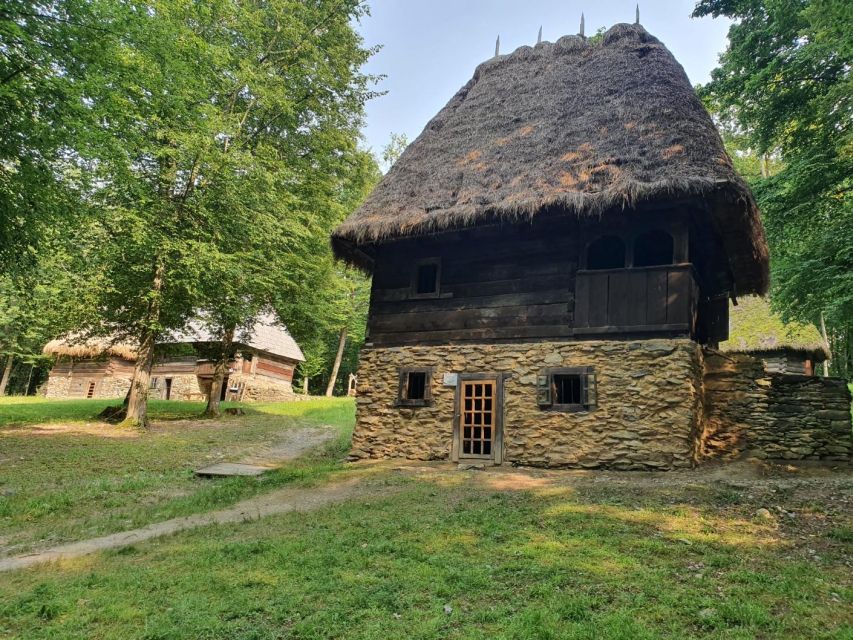
- The Village Museum compresses Romania into one open-air visit: You see traditional homes, mills, wooden churches, and rural building methods from across the country.
- Bucharest’s central stops focus on contrasts: Royal buildings, Communist headquarters, Orthodox churches, theatres, shops, and grand state architecture all appear close together.
- This is a genuinely private outing: Your group gets its own car or minibus, driver-guide, and room to adjust the schedule.
- Budget for admission fees: The tour price is $254 per person, while entrance tickets are extra and listed at about 17 euros per person.
Why the Snagov and Bucharest combination works
I like this tour because it avoids giving you only one version of Romania. The Village Museum presents a rural country built around wood, adobe, stone, mills, and wooden churches. The Ceaușescu mansion then shifts the story to a private world of privilege. In central Bucharest, you see how monarchy, Communism, religion, commerce, and revolution sit almost side by side.
That range matters. A visit to Bucharest can easily become a parade of grand facades with little explanation. Here, the guide has a clear chance to connect the buildings with the people who used them. The tour is offered in Romanian, English, Italian, French, Spanish, and German, so you can choose the language that makes the political and cultural details easiest to follow.
The private format also changes the feel of the day. You are not tied to a large group’s walking speed or forced to spend equal time at every stop. The company says the route can be adjusted even after the tour begins. That is useful if you want more time at the Village Museum and less time shopping, or if the city traffic makes the original plan too tight.
More Snagov Monastery and grave trips from Bucharest:
- Private Tour to Salt Mine, Lunch at Winery and Dracula Grave
★ 5.0 · 60 reviews - Princely Court of Târgoviște and Curtea de Argeș Monastery
★ 4.5 · 50 reviews - Small Group Tour to Mogosoaia Palace & Snagov Monastery
★ 4.4 · 41 reviews
Snagov Monastery and the Dracula connection
The trip to Snagov takes about 40 minutes from Bucharest, putting the city behind you fairly quickly. The monastery is located on an island, which gives the visit a different mood from the urban stops later in the day. You get a photo stop, a guided visit, and time to see the setting around the church.
The major draw is the tomb associated with Dracula. The site is presented as the place where Dracula is buried, giving the stop a strong dose of legend and mystery. I would approach this as a historical and cultural story rather than expecting a large Dracula attraction. The appeal is the setting, the church, and the connection to one of Romania’s best-known figures.
You have about an hour here. That is enough for a focused visit, but not a long, slow exploration. Wear shoes suitable for walking, and keep your camera ready for the island approach and church exterior. The tour description does not promise a boat excursion or an extended visit around the lake, so do not book this expecting a full water outing.
This stop is especially useful if you want something beyond Bucharest’s streets. It gives the day a quieter opening and adds a Romanian religious site to a route otherwise centered on museums, government buildings, and city history.
The Village Museum in one focused hour
The Dimitrie Gusti National Village Museum offers an open-air look at traditional Romanian life. Instead of viewing rural objects in display cases, you see houses and other structures arranged as a village setting. The collection includes homes made from wood, adobe, stone, and other local materials from different parts of Romania.
I find the museum valuable because it explains how people shaped daily life around available materials and local conditions. You can see how a home, mill, wooden church, and surrounding work areas formed a practical social and spiritual world. The emphasis on ecological and sustainable living is part of the museum’s message, though the visit remains grounded in buildings and traditional ways of life.
The scheduled visit lasts about an hour. That is enough to understand the museum’s purpose and see a useful selection of structures with a guide. It is not enough to inspect every building in detail. If traditional architecture interests you, ask your guide which areas deserve priority before you begin.
This is also one of the more accessible stops for understanding Romania beyond its political headlines. You get a sense of the modest village life that existed long before the Communist period and remains an important part of national identity. I would give this stop extra attention if you have little time elsewhere in Romania.
Inside the Ceaușescu family’s Spring Palace
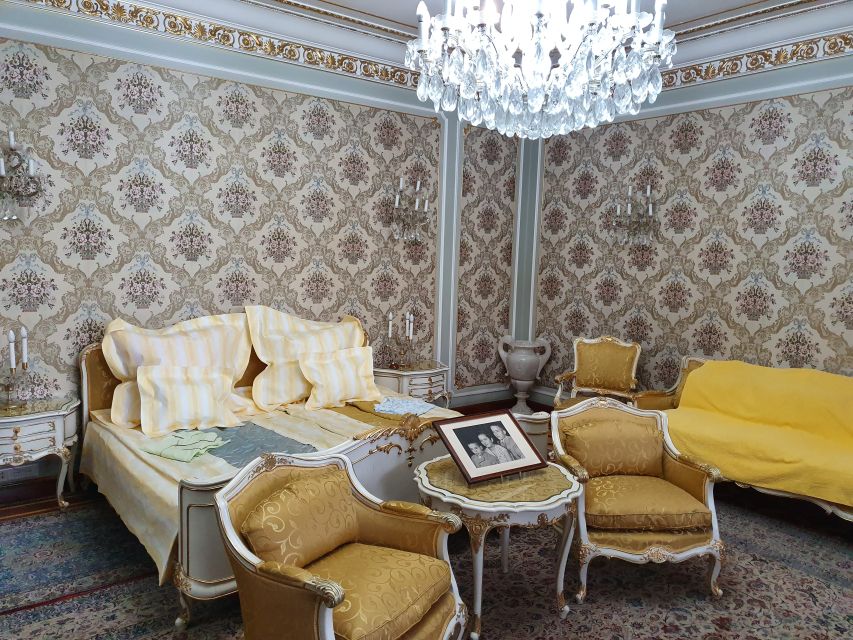
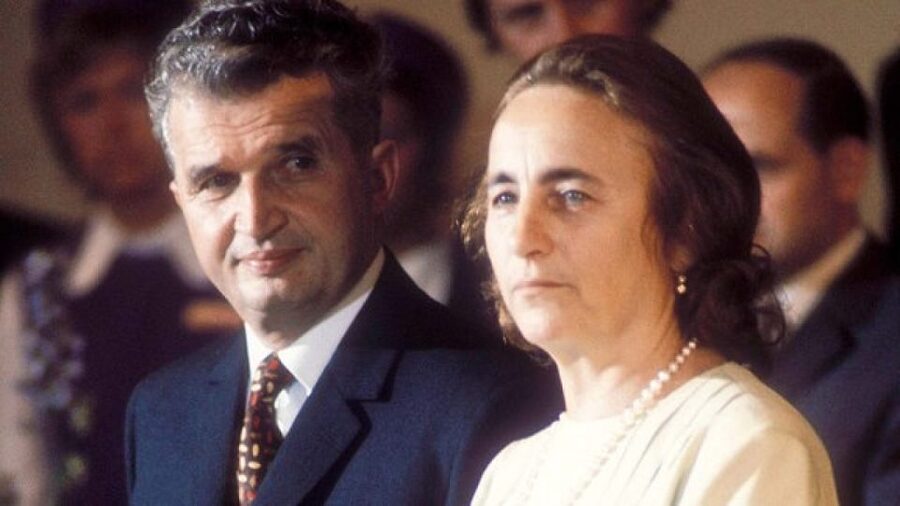
The Ceaușescu mansion was the private residence of Nicolae and Elena Ceaușescu and their children, Nicu, Zoia, and Valentin, from 1965 until 1989. It was known at the time as the Spring Palace and was enlarged between 1970 and 1972.
The mansion gives you a close look at the difference between public Communist messaging and private political privilege. The tour description presents the family’s home as a private residence, not simply another government building. That makes the visit a useful counterpoint to Revolution Square and the former Central Committee headquarters.
The design was associated with architect Aron Grimberg-Solari. Architect Robert Woll worked on the gardens and also designed much of the furniture, while the landscape engineer Teodosiu contributed to the grounds. Those details help you notice that the building was planned as a complete private world, with architecture, furnishings, and outdoor spaces considered together.
You have about an hour here, including the guided visit, walking, and the drive around the area. The mansion is not just about decoration. The important question is what the rooms say about power, family, and separation from ordinary Romanian life. Your guide can place the residence within the larger story of Ceaușescu’s rule.
I would not expect this stop to be emotionally light. The subject involves dictatorship, privilege, and the end of Communist rule. That seriousness is part of its value, especially when the mansion is paired with the Revolution Square visit later in the day.
More communism and Ceausescu tours in Bucharest:
- The Real tour of Communism
★ 5.0 · 666 reviews - Life under Communism
★ 5.0 · 358 reviews - 3-Hour Guided Tour of Communist Bucharest
★ 4.9 · 303 reviews - Bucharest Essential Tour: Old Town, Calea Victoriei & Communism
★ 5.0 · 142 reviews
Calea Victoriei and Bucharest’s sharp contrasts

Calea Victoriei, or Victory Avenue, provides the main urban walk and sightseeing section, scheduled for about 90 minutes. This is where the tour shifts from separate attractions to the city itself.
The route highlights contradictions that are easy to miss without a guide. You can see the Royal Palace on one side and the former Central Committee of the Romanian Communist Party nearby. Old Orthodox churches share the city with museums, theatres, music shops, casinos, restaurants, tea shops, retail stores, and souvenir shops.
This variety makes the avenue useful for first-time orientation. You can get a feel for Bucharest as a place where grand official architecture and everyday commercial life overlap. The National History Museum, Romanian Athenaeum, and CEC Palace are among the key sights named along the route.
The free time and shopping element is practical, but it also means the exact experience depends on how you use the hour and a half. If you want architecture, tell your guide early. If you want music, gifts, or a short break, the avenue offers those options as well. The private format should make it easier to shape this part around your interests.
Revolution Square and the end of Ceaușescu’s rule
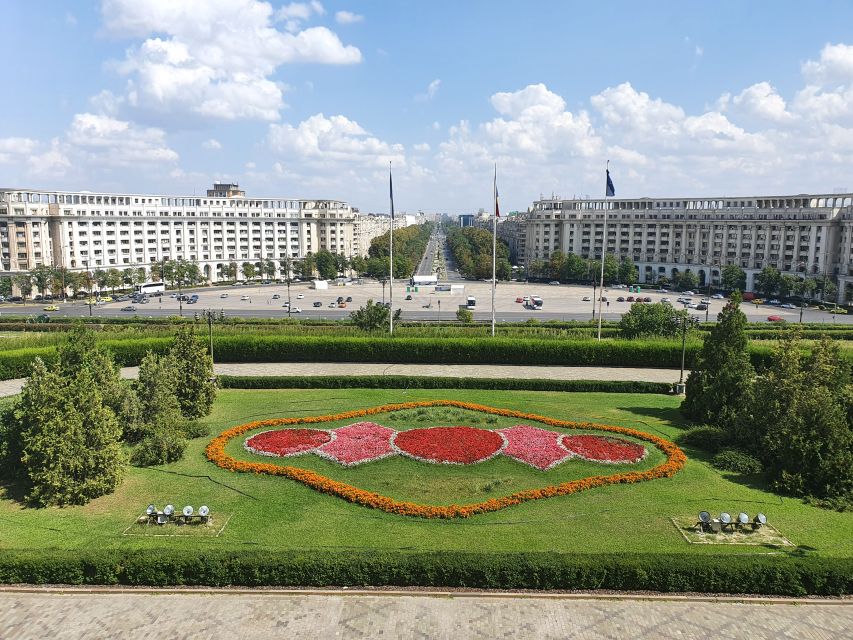
Revolution Square is scheduled for about 30 minutes, but its importance is much larger than the time suggests. This is the place connected with the December 1989 revolution that removed Nicolae Ceaușescu from power.
You will see the building that housed the Central Committee of the Romanian Communist Party, along with the Senate Palace area. The tour connects this space with the moment Ceaușescu fled by helicopter. That scene is central to modern Romanian history, and standing in the square helps turn a distant political event into a physical place.
I would listen closely here rather than treating it as a quick photo stop. The story includes public protest, human sacrifice, the dictator’s fall, and later questions about wealth, state security, and offshore accounts. A short explanation from a good guide can make the square far more meaningful than a passing look at another government building.
The stop is brief, so you will not get a long museum-style treatment. Its strength is location and context. It works best after seeing the private mansion, since you can compare the protected world of the Ceaușescu family with the public crisis that ended their rule.
The Athenaeum, CEC Palace, and Parliament
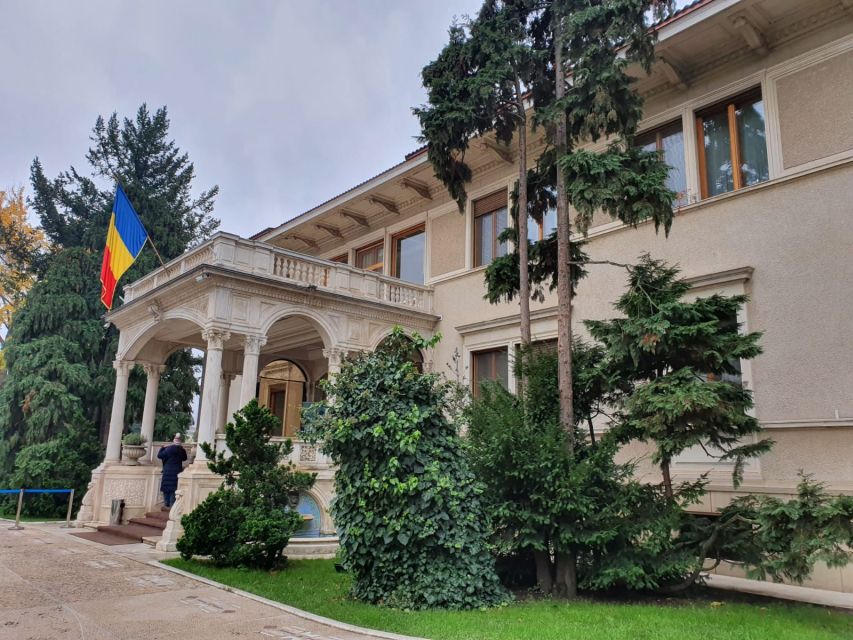
The Romanian Athenaeum receives about 30 minutes. The itinerary includes a guided visit, walking, and scenic views. It is one of Bucharest’s major architectural landmarks and gives the central section of the tour a cultural focus after the political material at Revolution Square.
CEC Palace receives about 15 minutes for a break, photographs, a guided visit, and free time. This is a short stop, so treat it as a chance to see the building and take pictures rather than a detailed architectural study. The schedule places several major sights close together, which is efficient but leaves little room for lingering.
The Palace of the Parliament receives about 30 minutes, including a photo stop, guided sightseeing, and walking. The supplied plan does not clearly promise a full interior tour, so you should confirm whether you are entering or viewing the building from outside. Either way, it is a major stop in a tour focused on Romania’s Communist period.
The Parliament visit gains meaning after the Ceaușescu mansion and Revolution Square. You are not seeing an isolated oversized building. You are seeing part of the physical legacy of a regime that also shaped the city’s private homes, public spaces, and political institutions.
Timing, transport, and what the price includes
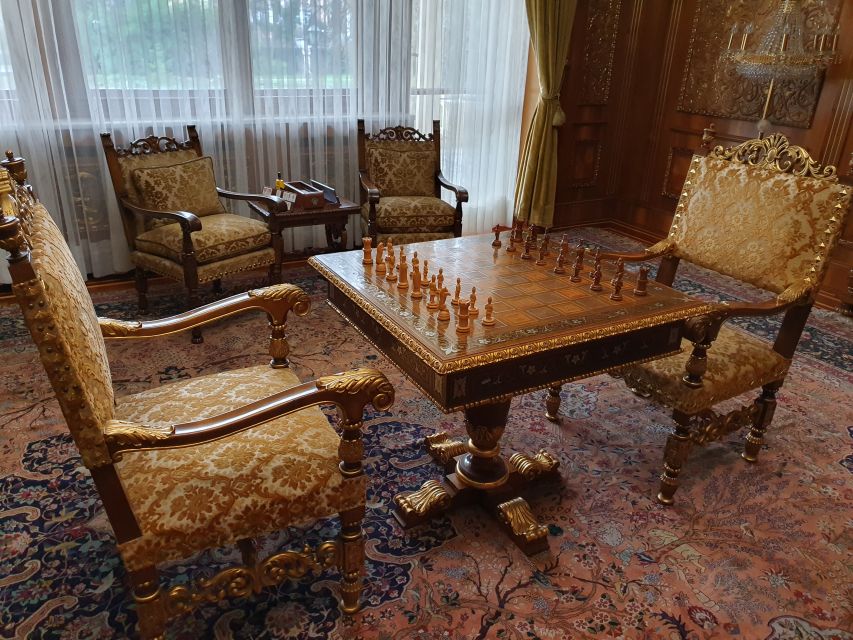
The advertised duration is six hours, with pickup and return in Bucharest. Transport is by private car or minibus, and the driver-guide stays with your group. Gasoline, parking, and road tolls are included, which removes several small costs that can add up on a trip outside the city.
The private vehicle is particularly helpful for Snagov Monastery. You do not need to arrange separate transport for the 40-minute trip, then find your way back into Bucharest for the city stops. Pickup is included, and the driver holds a sign with your last name.
There is one practical issue to clarify. The published schedule lists one hour at the Village Museum, one hour at Snagov, one hour at the mansion, 90 minutes on Calea Victoriei, and several additional stops. Added together, those stop times exceed six hours before allowing for traffic. The route may use shorter visits in practice, or the times may be approximate. Ask for the expected order and pace before booking if you want a relaxed day.
The price is $254 per person. That is a substantial cost, especially for a solo visitor, but the calculation changes for a small private group that values its own vehicle, multilingual guide, and flexible route. Entrance fees are not included and are listed at about 17 euros per person. Food and drinks are also separate.
For someone who wants only a quick Bucharest city walk, this is too much. For a small group that wants Snagov without arranging transport, plus a guide through the city’s political story, the price can make sense.
Who should book this private tour?
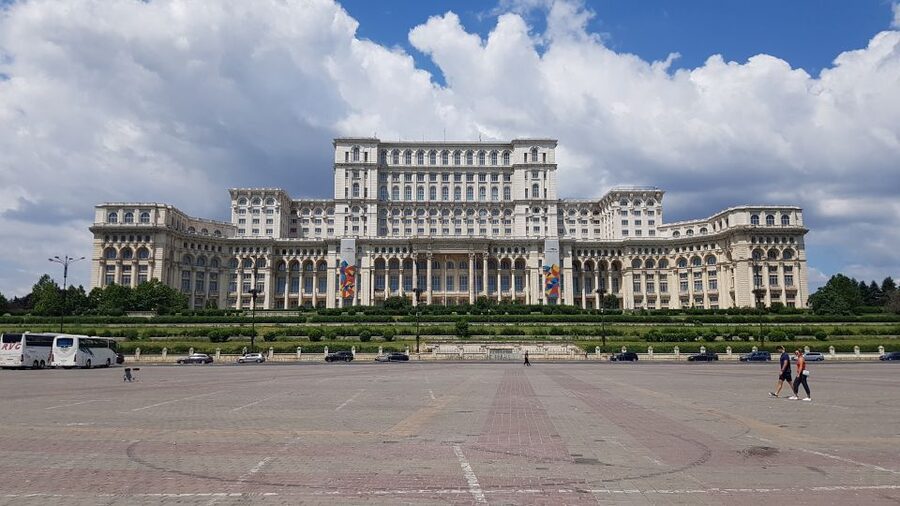
I would recommend it to first-time visitors who want a broad introduction in one day. You get rural tradition, Dracula folklore, a former dictator’s home, revolutionary history, royal architecture, religious buildings, and major city landmarks.
It also suits families or friends who value privacy and easy transport. The guide can speak several languages, and the route can be adjusted during the day. That flexibility is more useful here than on a simple walking tour because the experience covers both an out-of-town stop and a large central area.
History-minded visitors will get the most from the combination of Snagov, the mansion, and Revolution Square. Architecture fans will appreciate the Athenaeum, CEC Palace, the Royal Palace area, and Parliament. If your main interest is food, nightlife, or long free time, the packed schedule may feel too structured.
The tour is also a good choice if you want a guide who can explain contradictions rather than simply point out buildings. The day moves from modest rural homes to a dictator’s private residence, then from royal and religious architecture to Communist state power. That is a useful way to begin understanding Bucharest.
Should you book it?
Book this tour if you want maximum range in a private six-hour outing and accept that the pace may be brisk. It is strongest for small groups who need transport to Snagov and want a guide to connect the city’s buildings with the fall of Communism.
Skip it if you prefer to spend a full morning at one museum, explore Bucharest slowly on foot, or avoid a schedule with many short stops. Before paying, confirm the exact timing, the entry arrangements for the mansion and Parliament, and how much of Calea Victoriei is devoted to walking or shopping.
FAQ
How long does the tour last?
The advertised duration is six hours, with pickup and return in Bucharest.
Is this a private tour?
Yes. The experience is for a private group and includes a private car or minibus for you and your friends or family.
Is hotel pickup included?
Pickup in Bucharest is included. The driver will hold a sign with your last name.
Which languages are available?
The private guide and driver are available in Romanian, English, Italian, French, Spanish, and German.
Is Snagov Monastery outside Bucharest?
Yes. Snagov Monastery is about 40 minutes outside Bucharest and is located on an island.
Are entrance fees included?
No. Entrance fees are extra and are listed at about 17 euros per person.
Are food and drinks included?
No. Food and drinks are not included in the tour price.
Can the itinerary be changed during the tour?
Yes. The tour includes flexibility for changes to the daily itinerary, including changes after the tour has started.
More museums and tickets in Bucharest
- Bucharest: Museum of Senses Entry Ticket
★ 4.2 · 364 reviews - Communism in Bucharest – Landmarks, Museum & Communist Appetizers
★ 5.0 · 111 reviews - Bucharest: Entry ticket at the Museum of Communism
★ 4.6 · 57 reviews - Bucharest: Museum of Communism Ticket with Communist Coffee
★ 4.6 · 52 reviews
Newest Bucharest trips we have written up
- Bucharest: Dealu Mare Winery Private Trip with Wine Tasting★ 4.9 · 6 reviews
- Winery touring & private wine tasting – one day private tour★ 5.0 · 3 reviews
- Traditions in Bucharest: Village Museum and Wine Tasting★ 5.0 · 8 reviews
- Your rendez-vous with Europe’s past: time-travel to Maramures, Transylvania★ 5.0 · 6 reviews
- Village Museum Bucharest Guided Tour★ 5.0 · 6 reviews
- Private Wine Tasting at Bucharest’s First Wine Bar★ 5.0 · 3 reviews
- Walking Tour of Bucharest City Center – Private Tour★ 5.0 · 4 reviews
- Wine tasting in Bucharest Old town – bonus cheese platter★ 4.5 · 6 reviews
Snagov Monastery and Draculas Grave Tours, compared.
Private Tour to Salt Mine, Lunch at Winery and Dracula Grave
Read our review →
Princely Court of Târgoviște and Curtea de Argeș Monastery
Read our review →
Small Group Tour to Mogosoaia Palace & Snagov Monastery
Read our review →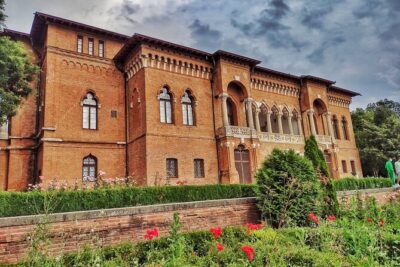
Sacred Monasteries Private Tour: Snagov, Țigănești & Căldărușani
Read our review →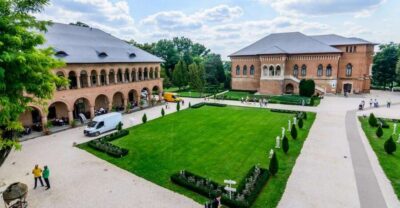
Private Half Day Trip to Snagov Monastery & Mogosoaia
Read our review →
Hike to Poenari Fortress, Vidraru Dam, Argeș Monastery – Private
Read our review →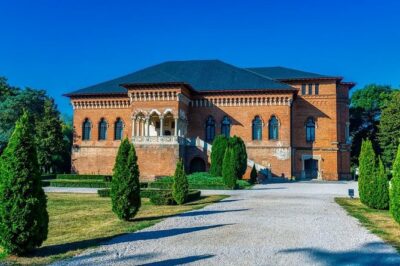
Small Group Tour to Mogosoaia Palace and Snagov Monastery
Read our review →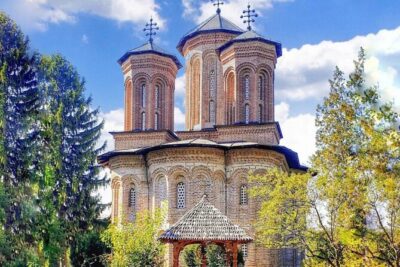
Mystical Monasteries, Dracula’s Tomb and Mogosoaia Lake Palace – Private Tour
Read our review →Browse the lists this tour appears in