
Reviewed · BUCHAREST HIDDEN GEMS AND ALTERNATIVE TOURS
Hidden charms of Mahallopolis
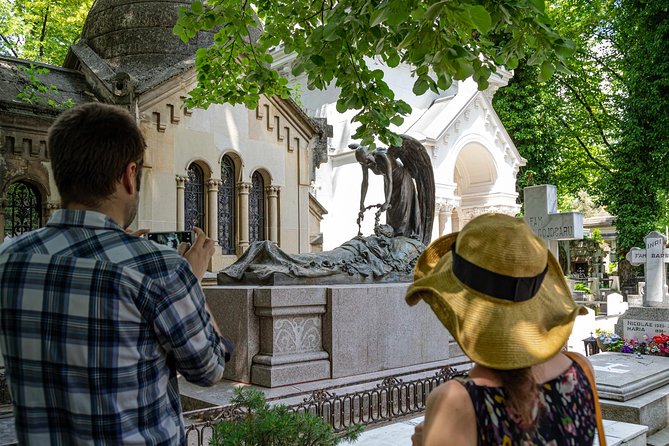
Bucharest’s Bellu Cemetery is the heart of this unusual four-hour outing. Rather than staying among the Old Town’s busy streets, you ride the metro into parts of the city most visitors miss: an open-air museum of graves and monuments, a little-known park, Romania’s oldest train station, a former KGB headquarters, and a secret passage into an old mahalla, or neighborhood. I like the cemetery’s storytelling focus, and I like that the tour includes a beer, coffee or tea, water, and local snacks instead of leaving you to hunt for food.
The main consideration is physical effort. You should be ready for a long walk, rolling hills, secret stairs, and roughly four hours on your feet. The route is also weather-dependent, and the $137.57 price is high for a walking tour, though the small group, metro fare, food, drinks, and unusual route help explain the cost.
Key points about Hidden Charms of Mahallopolis
- Bellu Cemetery: Explore Bucharest’s oldest, largest, and most beautiful cemetery, presented as an open-air museum in the spirit of Père Lachaise.
- A different Bucharest: Leave the Old Town behind for parks, hills, forgotten corners, and old neighborhoods rarely included on standard city walks.
- Several guides with local insight: Mircea is praised for his passion and humor, while Tudi and Alina have also led this experience.
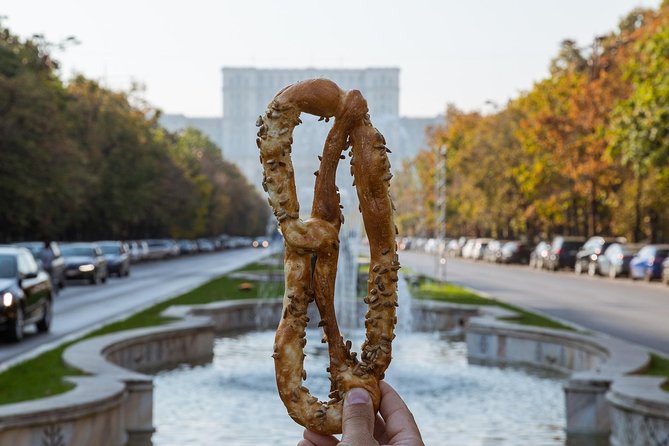
- Food and drink included: Expect one covrig or cheese pie, additional local bites, a 400 ml beer, coffee or tea, and bottled water.
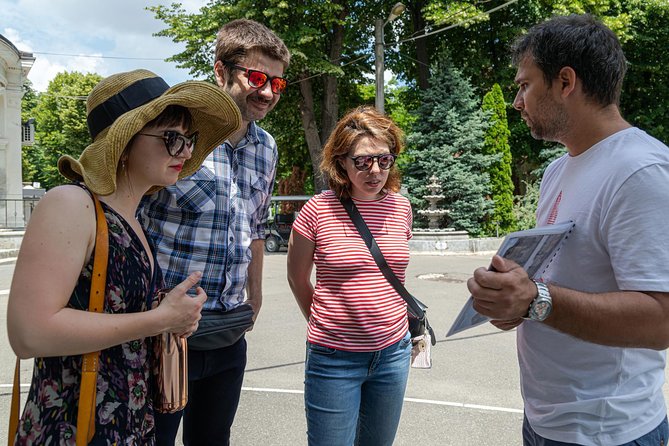
- Small-group format: The maximum is 10 people, a useful size for stories, questions, and narrow streets.
- Walking with a metro ride: The tour begins near Piața Sfântul Anton and ends at Piața Unirii after a one-way metro trip and a walk back toward the center.
Why Bellu Cemetery is the right place to begin
The tour starts at 11:00 am near Piața Sfântul Anton, close to Bucharest’s Old Town. From there, the route uses the metro to reach Bellu Cemetery, so the experience begins with a small piece of ordinary city life rather than a private vehicle or a polished sightseeing bus.
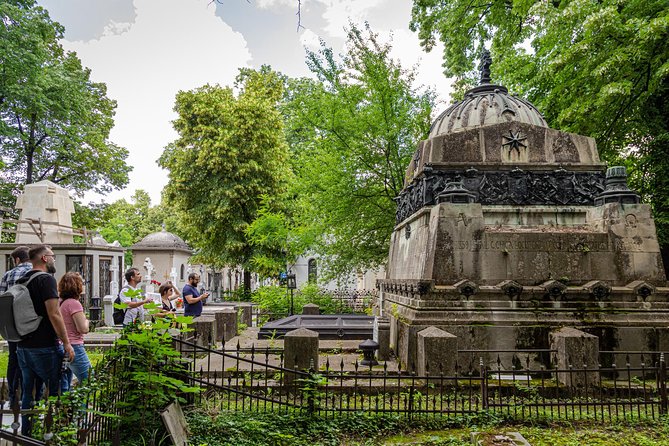
Bellu is not treated simply as a cemetery stop. It is presented as an open-air museum, filled with monuments, names, artistic details, and stories tied to Bucharest’s past. The comparison with Paris’s Père Lachaise gives you a useful sense of the place, though Bellu has its own Romanian character and setting.
I like this choice because cemeteries often explain a city in a quieter, more personal way. Instead of hearing only about rulers, grand buildings, and political events, you encounter the people who shaped public life, culture, and the city’s memory. The guide’s role matters here. Mircea, one of the named guides, has a reputation for using complicated historical subjects and vintage stories to make Bucharest feel more understandable.
The cemetery also suits visitors who want something beyond the usual central attractions. Several people who already knew Bucharest well discovered unfamiliar stories here, which tells you that this is not merely an introductory sightseeing loop. If you have already seen the major squares and churches, Bellu can add a new layer to your visit.
The setting does require the right mood. This is not a quick photo stop, and it may not suit anyone who prefers only lively streets and grand architecture. You are visiting a place of remembrance, so curiosity and respect matter.
More hidden corners of Bucharest:
- Bucharest: Small Group History, Art & Secrets Tour
★ 4.7 · 152 reviews - Private Walking Tour: Essential Bucharest + Hidden Gems
★ 5.0 · 53 reviews - Unique Tour of Hidden Bucharest
★ 5.0 · 42 reviews
Parks, hills, and the city’s secret stairs
After Bellu, the route turns toward a local park that sees fewer international visitors but matters to people who live nearby. The exact park is not specified, so you should think of this portion as a change of pace rather than a named landmark checklist.
This is one of the tour’s strongest ideas. Bucharest can feel very different once you leave the Old Town’s familiar circuit. A local park gives you a chance to watch the city in a less staged setting, while the guide explains how residents use and understand these places.
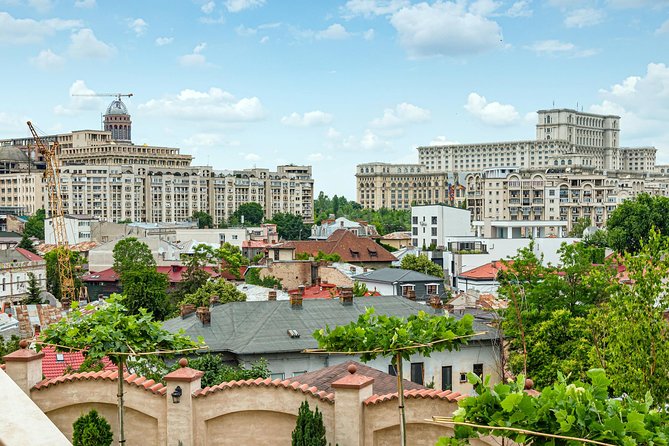
The route also reaches one of the highest points in town and includes rolling hills and secret stairs. Those details are useful when deciding if the walk suits you. Bucharest is often imagined as a mostly flat city, but this experience deliberately seeks out changes in level, elevated views, and passages that are easy to miss when you follow the broad streets.
You may find good views for photographs, particularly if the weather is clear. The experience is designed to offer panoramic spots that work well for pictures, but the walk is not built around a single famous lookout. Its appeal comes from moving through a series of less obvious places.
Wear comfortable shoes and expect a moderate level of fitness. The group is limited to 10 people, which should make it easier to keep together on stairs and narrow routes. Still, the combination of hills, walking, and a four-hour schedule is more demanding than a short Old Town stroll.
Romania’s oldest train station and the former KGB headquarters
The route then drops inside Romania’s oldest train station. This is a particularly good stop for anyone interested in how Bucharest grew and connected itself to the wider country. A railway station can look like a simple transport building, but its age makes it part of the city’s story, not just a place to pass through.
The itinerary does not promise a formal station museum or an extended architectural visit. Instead, you should expect the guide to use the station as one piece of a wider historical route. That approach keeps the outing moving, but it also means the experience is conversational rather than a detailed specialist tour of railway design.
Close by, you see the former KGB headquarters. This adds a darker political edge to the day. The stop connects the city’s streets with the complicated 20th-century history that shaped Romania and its neighbors.
The value here is context. A city can look ordinary until someone points out what happened in a particular building. The former headquarters is the kind of place you could easily walk past without noticing, yet its past changes how you read the surrounding neighborhood.
The experience seems strongest when your guide links these sites together rather than presenting them as isolated curiosities. Mircea is repeatedly described as passionate, humorous, and able to show familiar Bucharest from a new angle. That style should help balance serious subjects with a relaxed walking pace.
A former factory turned cultural meeting place
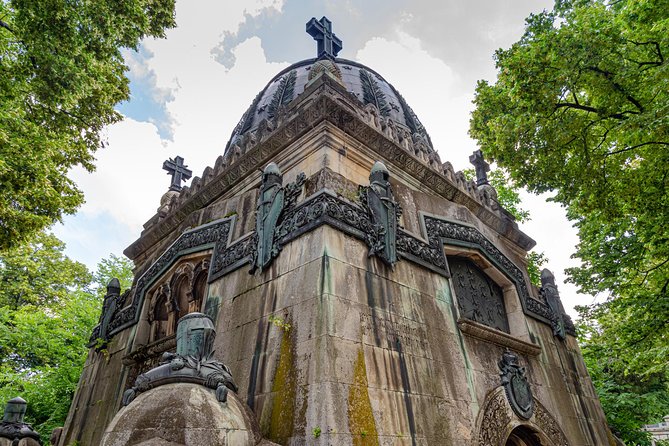
One of the tour’s most practical stops is an old factory that now serves as a cultural and alternative hub. You pause here for refreshments, local bites, and time to look at quirky souvenirs.
This break is more than a snack stop. The converted factory gives you a look at how older urban spaces can take on new uses. You get a sense of present-day Bucharest alongside the cemetery, station, and political sites. That mix gives the outing its character.
Included food consists of one street snack, either a covrig or cheese pie, plus local traditional bites. You also receive one 400 ml beer, coffee or tea, and bottled water. The exact traditional bites are not specified, so do not book this expecting a fixed tasting menu. If you want more food or another drink, those extras are your responsibility.
I like having the refreshments built into the schedule. A four-hour walk can feel tiring if every stop is purely historical. A short pause gives you time to rest, ask questions, and decide if you want to buy a souvenir. It also lets you experience a place used for culture and social life rather than simply looking at monuments from the street.
For some people, this will be the most enjoyable part of the route. For others, the appeal will depend on the particular event or atmosphere at the hub that day. The description supports a quirky, alternative setting, but it does not promise a concert, exhibition, or organized shopping session.
Same city, a completely different sort of day:
- Bucharest: Dracula’s Castle, Peles Castle, & Brasov Old Town
★ 4.5 · 17,858 reviews - Bucharest: Dracula Castle, Peles Castle & Brasov Old Town
★ 4.6 · 10,891 reviews - Bucharest: Dracula’s Castle, Peleș Castle & Brașov Day Trip
★ 4.5 · 5,919 reviews - Bucharest: Palace of Parliament Tickets and Guide
★ 4.3 · 3,182 reviews
Finding the old mahalla near the end
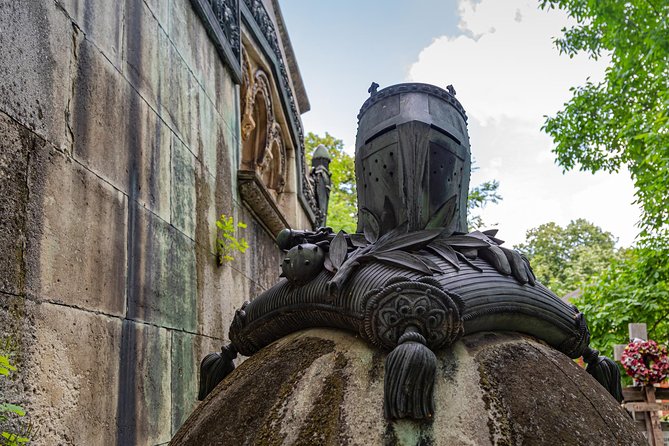
The final major section leads through a secret passage into an old mahalla. The word refers to a neighborhood and has an oriental origin, reflecting Bucharest’s long mix of cultural influences.
This is a fitting ending because the tour moves from grand historical memory toward everyday urban life. You begin with notable figures and monuments in Bellu Cemetery, pass political and transport landmarks, and finish among the streets and passages of an older neighborhood.
The word secret should be understood in a practical way. It means a route that is not obvious to someone walking a standard city itinerary, not a guaranteed hidden tunnel or restricted site. The appeal lies in the guide knowing how the places connect and explaining what you are seeing.
This part should suit anyone who wants to understand Bucharest through its neighborhoods rather than only its headline buildings. It may be less satisfying if you want a highly structured list of famous sights. The experience is about atmosphere, stories, and links between places.
The walk ends at Piața Unirii. You pay for the one-way metro fare as part of the experience, then walk back toward the Old Town during the route. At the end, you are in a central location with onward transport options, though the tour does not include a return metro ride to the starting point.
What the guide adds to the experience
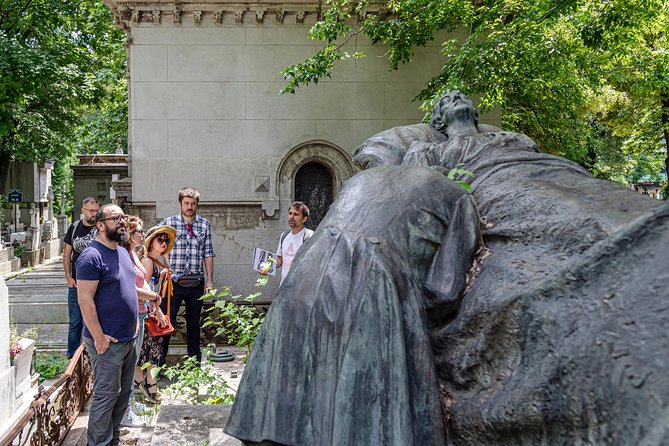
A route like this depends heavily on the person leading it. The sites are interesting, but Bellu Cemetery, a train station, a former headquarters, and an old neighborhood need explanation to become a coherent afternoon.
Mircea is the guide most clearly associated with the experience. His style comes across as warm, humorous, and strongly attached to Bucharest. He has led both international visitors and people born and raised in the city, including locals who thought they knew the city well but found new stories along the way.
Tudi and Alina are also named as guides connected with Local Hosts. The exact guide is not guaranteed, so you should not book on the assumption that Mircea will personally lead your departure. The important point is the local-host format: the experience aims to show the city from a resident’s point of view, not to repeat a standard script about the Old Town.
The best match is someone who enjoys questions, unexpected details, and a guide who brings personal enthusiasm to the route. If you prefer an audio-guide pace, a fixed list of major buildings, or a strictly academic lecture, this may feel loose.
Is $137.57 a fair price?
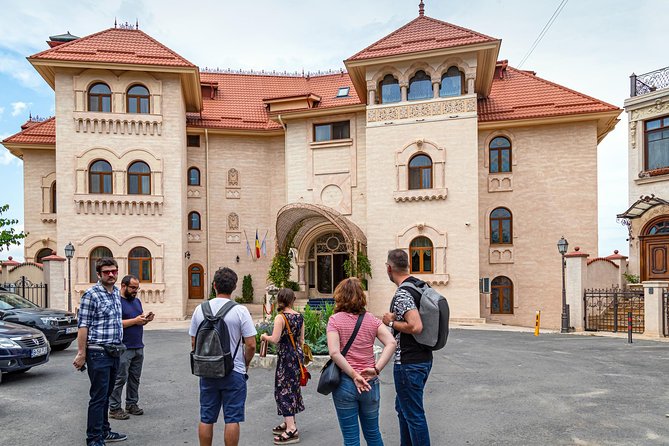
At $137.57 per person, this is expensive compared with a basic walking tour in Bucharest. You are paying for about four hours, a maximum group size of 10, a metro fare, snacks, a beer, coffee or tea, and bottled water. The route also covers several parts of the city rather than staying in one compact central zone.
The price makes more sense if you value a small group and a route you would struggle to create yourself. Bellu Cemetery, the park, train station, former KGB headquarters, cultural hub, and mahalla are not presented as a simple string of famous attractions. Their value comes from the connections and explanations.
It is less convincing if you want a cheap orientation walk. You could spend far less on a standard central tour and buy your own snack. The added cost here is for local access, planning, guiding, and a different view of Bucharest.
Who should book this four-hour walk?
I would choose this experience after seeing the main Old Town sights, or for a second day in Bucharest when you want the city to become less predictable. It is also a good pick if you enjoy cemeteries, urban history, political stories, old neighborhoods, and small food stops.
It suits curious first-time visitors who do not need every stop to be famous. It also suits residents and repeat visitors. The route has been designed to reveal details that even people familiar with Bucharest may have overlooked.
You should be comfortable with moderate physical activity, hills, stairs, and extended walking. Service animals are allowed, and the route is near public transportation, but the available information does not promise step-free access or a fully accessible route.
The tour operates in small groups of no more than 10 people. That is useful in a cemetery, on secret stairs, and in narrow neighborhood passages. It also gives you a better chance to talk with the guide than you would have on a large coach excursion.
Book only if the weather forecast looks suitable. Poor weather can lead to a change of date or a full refund, and the experience also requires a minimum number of participants. You can cancel for a full refund up to 24 hours before the start time. Changes or cancellations made later are not accepted for a refund.
Should you book Hidden Charms of Mahallopolis?
Book it if you want Bucharest away from the standard center, and if the idea of learning through cemeteries, old political sites, parks, and neighborhood passages appeals to you. The strongest reasons are the unusual route, local storytelling, small group, and included refreshments.
Think twice if your priority is a low-cost walk, a flat route, or a tightly scheduled tour of famous monuments. The price is high, and the hills and stairs are real considerations.
For the right visitor, this is a thoughtful way to see a less polished but more revealing side of Bucharest. It gives you places to photograph, stories to remember, and enough local food and conversation to keep the afternoon from feeling like a history lecture.
FAQ
Where does the tour start?
It starts at Piața Sfântul Anton in Bucharest.
What time does the tour begin?
The stated start time is 11:00 am.
Where does the tour end?
The tour ends at Piața Unirii.
How long does the experience last?
The duration is approximately four hours.
How many people can join the tour?
The maximum group size is 10 people.
Is public transportation included?
One-way metro fare is included. The route uses the metro from the Old Town area, and you walk back toward the Old Town as part of the experience.
What food is included?
You receive one street snack, either a covrig or cheese pie, along with local traditional bites.
Are drinks included?
Yes. The experience includes one 400 ml beer, coffee or tea, and bottled water.
Are extra food, drinks, and souvenirs included?
No. Additional food and drinks, souvenirs, and personal shopping are not included.
What happens if the weather is poor?
Because the experience requires good weather, you will be offered a different date or a full refund if it is canceled due to weather.
Newest Bucharest trips we have written up
- Bucharest: Dealu Mare Winery Private Trip with Wine Tasting★ 4.9 · 6 reviews
- Winery touring & private wine tasting – one day private tour★ 5.0 · 3 reviews
- Traditions in Bucharest: Village Museum and Wine Tasting★ 5.0 · 8 reviews
- Your rendez-vous with Europe’s past: time-travel to Maramures, Transylvania★ 5.0 · 6 reviews
- Village Museum Bucharest Guided Tour★ 5.0 · 6 reviews
- Private Wine Tasting at Bucharest’s First Wine Bar★ 5.0 · 3 reviews
- Walking Tour of Bucharest City Center – Private Tour★ 5.0 · 4 reviews
- Wine tasting in Bucharest Old town – bonus cheese platter★ 4.5 · 6 reviews
Bucharest Hidden Gems and Alternative Tours, compared.
Private Walking Tour: Essential Bucharest + Hidden Gems
Read our review →
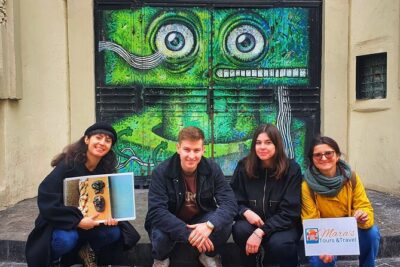
Alternative Bucharest: 2.5-3 Hours Walking tour (Small groups)
Read our review →
Discover Bucharest: Explore Hidden Old Town Walking Tour
Read our review →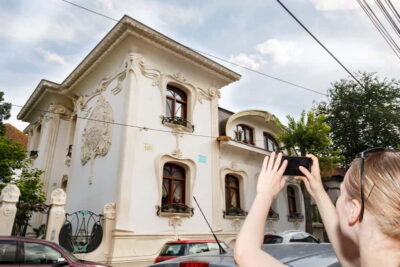
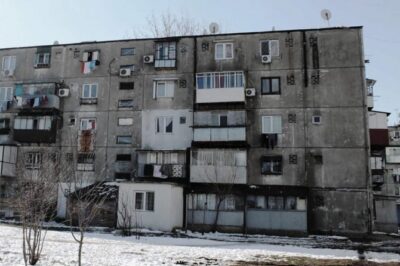
Troubled – Notorious Neighborhood – area known for social issues
Read our review →Browse the lists this tour appears in