
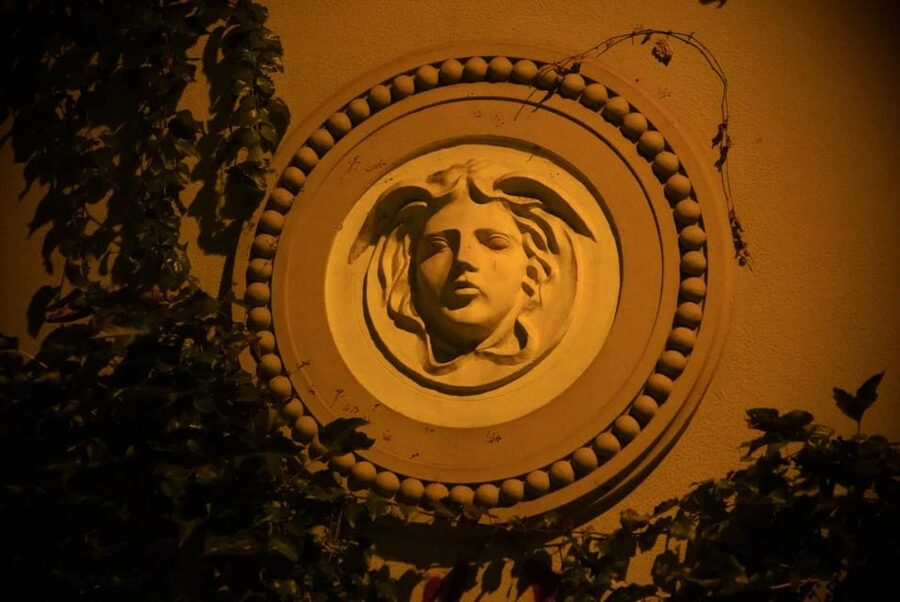
Reviewed · BUCHAREST DARK HISTORY AND GHOST TOURS
Bucharest: Ghost Stories & Romanian Mythology Walking Tour
Bucharest’s ghost stories are less about cheap scares than about the beliefs people use to explain death, bad luck, and strange events. On this 2.5-hour evening walk, you visit haunted sites, hear about unsolved crimes and tragic deaths, and learn why certain Romanian customs are meant to keep evil spirits away.
I like the tour’s local focus and its mix of folklore with real Bucharest history. I also like the guides’ flexible storytelling style: Tudor, Rareș, Ali, and other guides have been praised for answering questions, sharing family experiences, and adjusting the pace to the group.
The main drawback is simple: you will look at haunted houses and sites from outside, not enter them. You also need to walk for two and a half hours, often at night, so cold weather, uneven pavement, or tired legs can take some of the fun away.
Key points before you book
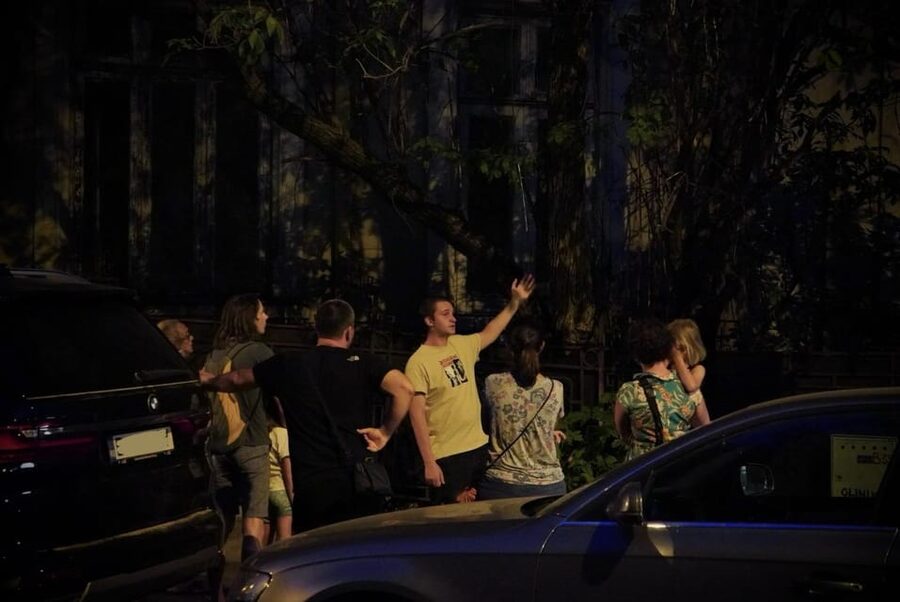
- Romanian folklore beyond Dracula: Learn about witches, spirits, burial rituals, protective customs, and creatures from local mythology.
- A real Bucharest vampire story: The tour includes a notorious case from the 1970s, not only the familiar Dracula legend.
- Research-led storytelling: Guides such as Tudor and Rareș explain the evidence and background behind the tales rather than relying only on theatrical effects.
- A different view of the city: The route includes architecture, streets, and parks you may not otherwise visit.
- Outdoor-only experience: You see haunted locations but do not go inside the houses.
- Best for older children and adults: The tour is not suitable for children under 10 or wheelchair users.
Why Bucharest’s darker stories work so well
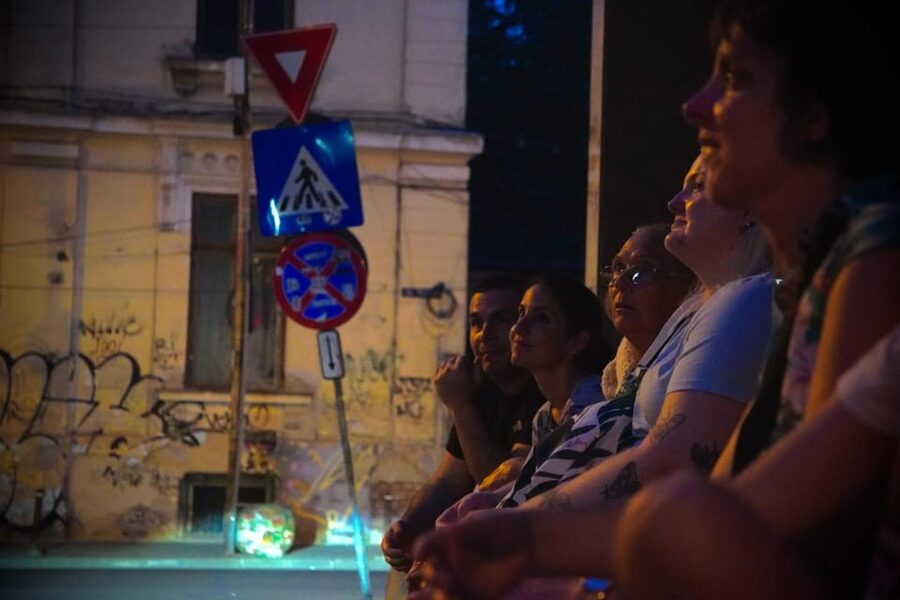
Bucharest can feel grand, worn, elegant, and mysterious within the same block. That makes it a natural setting for stories about ghosts and strange customs. A damaged building, an old park, or a quiet street can carry several layers of meaning once you hear what happened there.
This tour uses that setting well. It does not treat Romanian folklore as a collection of Halloween props. Instead, you hear how stories about spirits connect with family traditions, religion, fear, and the need to make sense of sudden death.
The best moments come when the guide explains the belief behind the tale. You may hear about rituals meant to protect a home, customs linked with burial, or ways people traditionally tried to stop a dead person from returning as a spirit. These details give the stories a cultural purpose, rather than making them simple campfire entertainment.
That approach also helps explain why Dracula remains so powerful. The Count is a famous literary and film character, but Romanian supernatural traditions are far older and broader than Dracula alone. The tour places the familiar legend alongside local beliefs about vampires, witches, ghosts, and divine protection.
More dark history and ghost walks in Bucharest:
- Bucharest: 3-Hour Dark History Tour with a Local
★ 4.9 · 301 reviews - Bucharest Ghosts Stories and Mythology
★ 5.0 · 292 reviews - Darkside Tour of Bucharest – small group
★ 5.0 · 139 reviews
Starting beside the National Theatre
The meeting point is next to the statues in front of Bucharest’s National Theatre. This is a central, recognizable place, but you should still allow a little time to find the exact statues and guide yourself to the group.
The tour begins with a walk through the city rather than a ride to a distant attraction. That matters because the streets themselves become part of the storytelling. You are not watching a performance in a fixed room. You are standing near the places connected with the stories, then moving through Bucharest as the mood changes.
The guide speaks English, and the experience works best when you take part. Several guides, especially Tudor and Ali, have been praised for asking questions and inviting the group to compare Romanian beliefs with customs from home. That gives the evening a friendly, conversational feel rather than a one-way lecture.
Group size can vary. Some departures have been intimate, with only two people, while others have included around nine or more. A small group gives you more time to ask questions. A larger group may create more energy, but you may need to speak up if you want a longer exchange with the guide.
Haunted sites, tragic deaths, and unsolved crimes
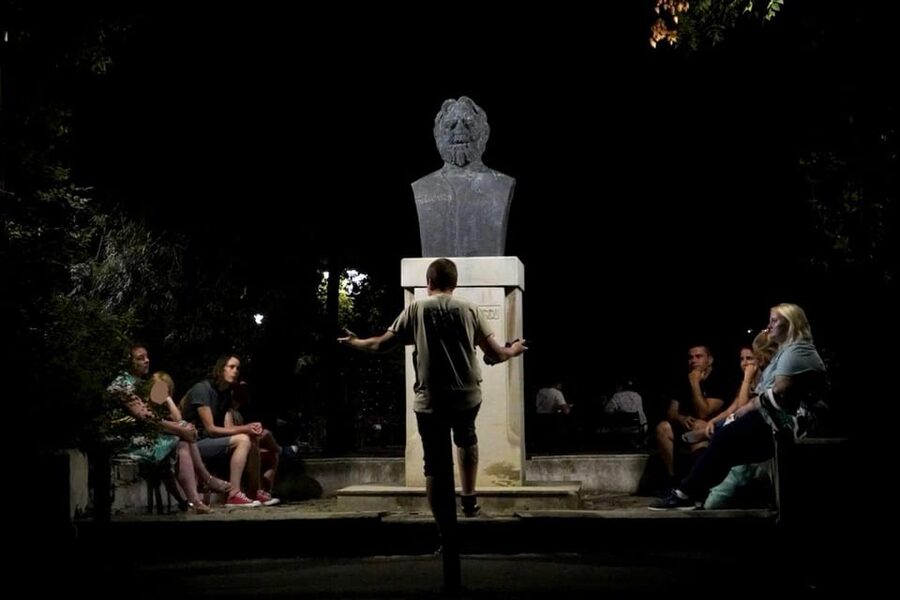
The central part of the walk focuses on places linked with hauntings, tragic deaths, and unsolved murders. The exact stops can depend on the route and the guide, but the purpose is consistent: you visit sites where unusual events or disturbing stories have become part of local memory.
Do not expect every stop to look dramatic. Some haunted locations may appear ordinary in daylight, and the tour does not promise visible ghosts or supernatural proof. That is part of its appeal. You use the setting as a starting point, then listen to the story that gives the place its darker reputation.
A strong guide makes the difference here. Tudor has been praised for researching his material and explaining the background behind each story. Rareș has been singled out for clear, engaging storytelling, while Ali has added personal memories and family experiences when discussing Romanian customs.
The tone is usually more grounded than theatrical. If you want actors jumping out from doorways, elaborate costumes, or constant screams, this may feel restrained. If you prefer history, local belief, and unsettling details presented with a sense of proportion, that restraint is a strength.
Some stories concern real people and reported events. Others belong to folklore, where the important question is not only if the event can be proved, but why the story survived and what it says about the community. Your guide should help separate those strands, and the strongest guides make that distinction clear.
Romanian customs meant to keep evil away
The folklore section is one of the tour’s most useful features. You hear about customs Romanians have used, or still use, to guard against bad spirits. These may be connected with the home, death, burial, or particular moments when a person is thought to be vulnerable.
Burial rituals receive special attention. The stories can be unsettling, particularly when the guide explains what people feared might happen if a ritual was not followed correctly. Yet they also show how communities create order around death. Rules and ceremonies help families deal with grief, uncertainty, and the fear that a person may not be fully at rest.
The tour also touches on witchcraft, spirits, superstitions, and benevolent forces. This balance matters. Bucharest’s supernatural world is not presented as pure horror. Some tales include helpful spirits or divine intervention, giving the evening more range than a simple parade of murders and curses.
You may find the personal details especially memorable. Ali has used stories about her grandmother and her own upbringing to explain how beliefs can move from one generation to another. Those moments make the customs easier to understand because they connect old ideas with ordinary family life.
The guide may also ask what similar beliefs exist in your country. That turns the tour into a cultural exchange. You are not only learning about Romania. You are also noticing how every society has its own ways of explaining ghosts, luck, illness, and death.
More Bucharest walking tours:
- Bucharest: City Highlights Guided Walking Tour
★ 4.9 · 1,482 reviews - Bucharest Highlights Walking Tour
★ 5.0 · 469 reviews - Bucharest: Guided Walking Tour with Romanian Snack
★ 4.9 · 228 reviews - Best of Bucharest | Private Walking Tour
★ 5.0 · 199 reviews
Dracula, vampires, and the 1970s case
No Bucharest ghost walk can avoid Dracula, but this tour does not stop with the usual version of the story. You learn about the connection between Dracula and Romanian mythology, then move toward the wider idea of the vampire in local folklore.
The most unusual part is the story of a real vampire figure who terrorized Bucharest in the 1970s. The details are presented as a notorious case connected with the city’s supernatural reputation. It gives the tour a modern edge and shows how vampire fears are not limited to medieval castles or nineteenth-century novels.
This section works best when you listen for the difference between fact, belief, and later storytelling. A reported crime may gain supernatural details as it passes from person to person. A traditional creature may be reshaped by books, films, news accounts, and tourist culture.
You will not visit Bran Castle or leave Bucharest for Transylvania. That is important when setting your expectations. This is a city walking tour about Romanian lore and Bucharest stories, not a Dracula sightseeing excursion.
Parks, architecture, and streets away from the usual route
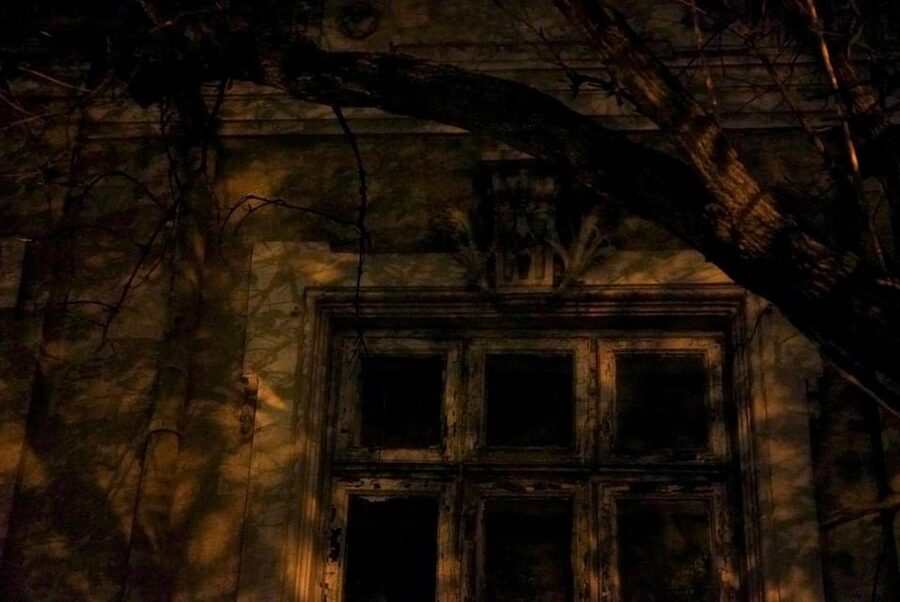
The tour is also a useful way to see parts of Bucharest that may not appear on a standard first-day itinerary. The route can include attractive architecture and parks, with stops that give you time to listen rather than hurry from one landmark to the next.
One departure took place in temperatures of minus 11 degrees Celsius, yet the group still found the parks and fairy lights memorable. Another group continued in minus 4 degree weather. That tells you two things: the atmosphere can be excellent in winter, and you should take the clothing advice seriously.
Parks are especially effective at night. They offer a change from the city streets and allow the guide to shift from buildings and crime stories to ideas about spirits, nature, and protection. The setting may not be frightening in a theatrical sense, but darkness and quiet can make familiar places feel unfamiliar.
The walking distance is described as manageable, with regular stops. You may sit briefly on a pavement or pause while the guide tells a longer story. Even so, this is not a seated activity. Wear comfortable shoes, and do not plan it immediately after a full day of walking unless you still have energy.
Bring a camera if you want atmospheric photographs of the architecture and parks. The tour is not built around photography, and the darkest sections may not produce clear images, but the city scenery adds value beyond the spoken stories.
The guides make the difference
This experience depends heavily on the person leading it. The strongest praise has gone to guides who combine clear English, humor, research, and an obvious interest in the subject.
Tudor is often described as passionate and well prepared. He has answered long strings of questions, involved the whole group, and sometimes continued beyond the planned two and a half hours because the conversation was still going. That enthusiasm can make the walk feel personal rather than mechanical.
Rareș has been praised for keeping groups engaged in very cold conditions and for explaining both Bucharest buildings and Romanian customs. Ali brings a warm, interactive style, with personal family stories that help explain how beliefs are passed down. Other guides, including Bogdan, have been described as funny and energetic.
You cannot choose a particular guide from the information provided, so do not book solely on the hope of getting one name. The overall pattern is clear, though: the tour rewards curiosity. Ask questions, compare traditions, and tell the guide what interests you. The experience becomes better when it is a conversation.
Is $35 a fair price?
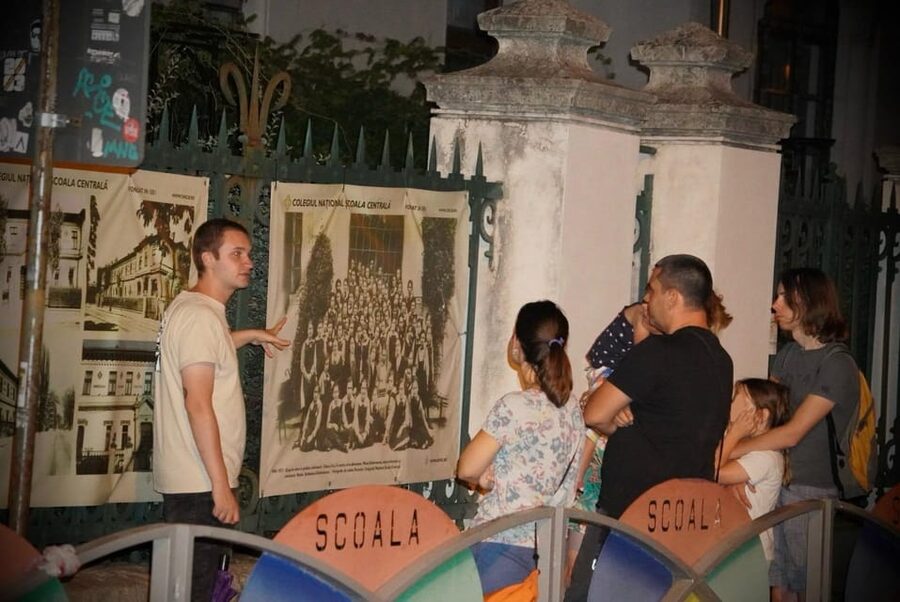
At $35 per person, this is not the cheapest way to spend an evening in Bucharest, but the price is reasonable if you value a live guide and a focused local theme. You are paying for two and a half hours of storytelling, city orientation, cultural context, and access to sites you may not notice on your own.
The value is strongest for a first visit. The walk can introduce you to Bucharest’s architecture, parks, streets, and customs while giving you a memorable theme to follow. It may also help you decide which areas you want to revisit in daylight.
The value is weaker if you want entry to haunted buildings, formal museum access, or a guaranteed supernatural event. No meals, drinks, or transportation to the meeting point are included. You also need to reach the National Theatre independently.
Free cancellation up to 24 hours before the start gives you some flexibility, and you can reserve now and pay later. The tour is in English only, so you should be comfortable following a detailed spoken explanation for a long evening walk.
Who should book this Bucharest ghost walk?
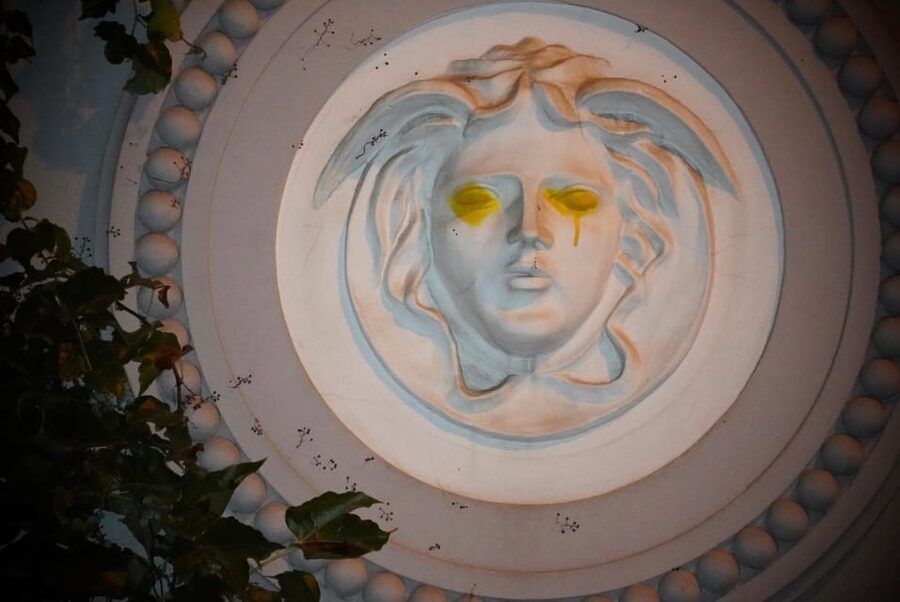
I would choose this tour if you enjoy folklore, local customs, crime stories, old buildings, or history with an uneasy edge. It is also a good pick for a first evening in Bucharest because you see several parts of the city while learning how Romanian culture treats ghosts and supernatural danger.
It suits couples, solo visitors, and small groups who enjoy talking with a guide. The interactive style means you do not need to be an expert in Dracula or mythology. You only need to arrive curious and willing to listen.
Families should note the age rule. Children under 10 are not suitable for the activity, and some stories about death, murder, witchcraft, and burial customs may be too dark for younger children even above that age.
The walk is not suitable for wheelchair users. Anyone with limited mobility should also think carefully about the outdoor route, standing time, and pavement conditions. Comfortable shoes and warm clothing are essential, especially from late autumn through winter.
My verdict: a thoughtful ghost tour, not a haunted-house show
I would book this tour for its Romanian point of view. The best material is not the promise of a scare, but the way the guide connects Bucharest places with family customs, burial traditions, vampire lore, and real cases.
You should book it if you want a well-researched evening with room for questions and some unexpected city sights. Skip it if you want to enter haunted buildings, visit Dracula attractions outside Bucharest, or watch a theatrical horror performance.
At $35, the tour earns its price when your guide is engaging and the weather cooperates. Bring warm clothes, expect to walk outdoors for 2.5 hours, and treat the stories as a blend of documented events, inherited beliefs, and local mystery. That is where Bucharest’s darker side becomes most interesting.
FAQ
Where does the Bucharest ghost tour meet?
The meeting point is next to the statues in front of the National Theatre in Bucharest.
How long does the walking tour last?
The tour lasts 2.5 hours. Starting times vary, so check availability when booking.
What language is the tour in?
The tour is conducted in English with a live guide.
Do you enter the haunted houses?
No. You visit haunted sites and see the locations, but entry into haunted houses is not included.
Is the tour suitable for children?
The activity is not suitable for children under 10 years old.
Is the tour suitable for wheelchair users?
No. The activity is listed as unsuitable for wheelchair users.
What should I bring?
Wear comfortable shoes and warm clothing, and bring a camera if you would like to photograph Bucharest’s streets, architecture, and parks.
Newest Bucharest trips we have written up
- Bucharest: Dealu Mare Winery Private Trip with Wine Tasting★ 4.9 · 6 reviews
- Winery touring & private wine tasting – one day private tour★ 5.0 · 3 reviews
- Traditions in Bucharest: Village Museum and Wine Tasting★ 5.0 · 8 reviews
- Your rendez-vous with Europe’s past: time-travel to Maramures, Transylvania★ 5.0 · 6 reviews
- Village Museum Bucharest Guided Tour★ 5.0 · 6 reviews
- Private Wine Tasting at Bucharest’s First Wine Bar★ 5.0 · 3 reviews
- Walking Tour of Bucharest City Center – Private Tour★ 5.0 · 4 reviews
- Wine tasting in Bucharest Old town – bonus cheese platter★ 4.5 · 6 reviews
Bucharest Dark History and Ghost Tours, compared.
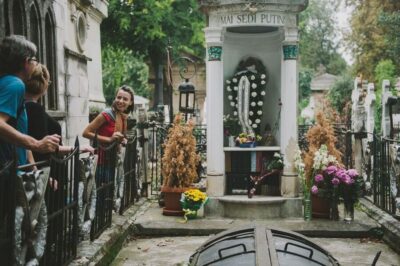

Abandoned and haunted military base – the ghosts tour
Read our review →Browse the lists this tour appears in