
Reviewed · BUCHAREST PRIVATE CAR TOURS
Private -RedPatrol Tour of Bucharest with a Romanian Vintage Car
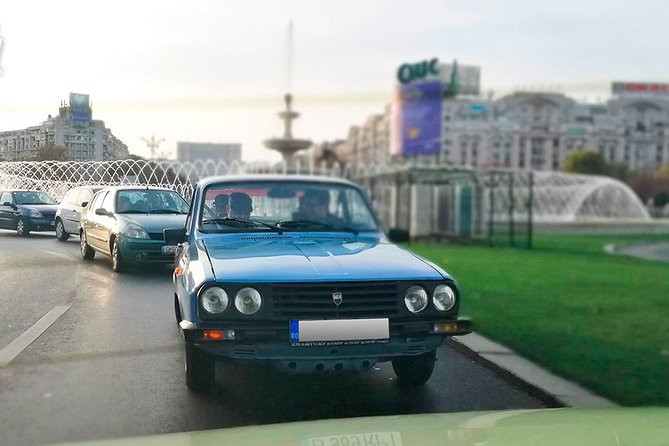
Bucharest’s communist past feels more immediate from the front seat of a restored Dacia 1300, the boxy Romanian car that once filled the city’s streets. This private outing links Revolution Square, Ceaușescu’s former home, giant state buildings, apartment blocks, and half-forgotten communist sites in one moving history lesson.
I like the choice of driving yourself or letting the private driver handle the car. I also like the personal angle, especially when guide Șerban adds his own memories of life under communism. The main drawback is comfort: these classic cars have no air-conditioning, power steering, ABS, GPS, or automatic transmission.
Key things to know before booking
- Drive a real Romanian classic: You use a fully restored Dacia 1300 or 1310 from the 1970s or 1980s.
- See more than the usual center: The route includes Casa Radio, the Socialist Academy, communist housing blocks, government buildings, and old residential districts.
- Choose your level of involvement: Drive the Dacia yourself with a valid license, or ride with the included private driver.
- Expect personal history: The guide explains Romanian communism through places, stories, and personal experience.
- Plan for about three hours: The route lasts roughly three to three and a half hours, with several stops for photos and explanations.
- Know the age limit: Children under 10 and pets are not allowed.
Why an old Dacia changes the Bucharest experience
A regular city tour can show you Bucharest’s grand buildings. This one adds the sound, feel, and awkward charm of a Romanian car from the communist period.
The Dacia 1300 and 1310 were familiar family cars in Romania during the 1970s and 1980s. Here, the vehicle is not just transport. It is part of the subject. You see the city from the kind of car that belonged to the era you are studying.
If you enjoy driving, you can take the wheel. Bring your driving license and ID card, and wear comfortable clothes. The car has a manual gearbox, no power steering, and no GPS navigation. That makes the experience more hands-on, but it also means you should not expect the ease of a modern rental car.
You can also leave the driving to the included private driver. This is the better choice if you want to focus on the guide’s stories, take pictures, or simply avoid learning an unfamiliar classic car in city traffic.
The cars are fully restored and meet current traffic safety rules. They are still old-style vehicles, though. There is no air-conditioning, ABS, or automatic transmission. During winter, the cars are heated, which helps, but warm-weather comfort depends on the weather and your tolerance for a vehicle from another era.
More private car days around Bucharest:
- Transylvania: Cultural Full-Day Trip by Minivan
★ 4.8 · 57 reviews - Bucharest Jewish Heritage | Holocaust Memorial | Private Car Tour
★ 5.0 · 38 reviews - Private – Romanian Vintage Car Driving Tour of Bucharest 120 min
★ 5.0 · 12 reviews
Revolution Square puts the story in the right place
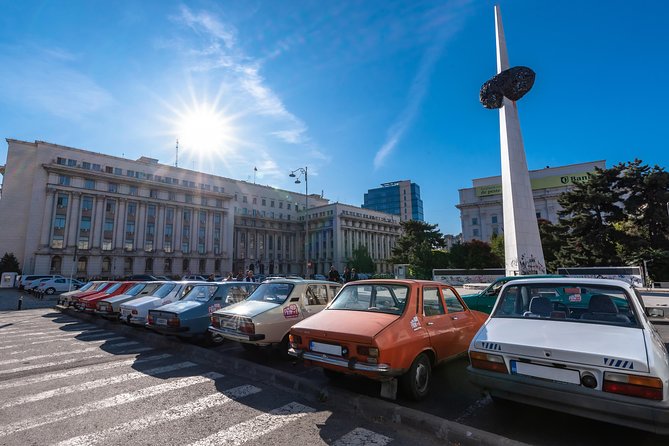
The tour begins at Revolution Square, where you get the clearest introduction to Romania’s communist story. This is the place where communism ended in Romania, and it is also tied to the beginning of the country’s communist period.
Allow about 30 minutes here. That is enough time for the guide to explain the setting, point out important details, and give you a base for the rest of the route.
This stop matters because the later buildings make more sense after you understand the political change that took place here. The square is not treated as a quick photo stop. It gives the tour its frame: power, public space, protest, and the collapse of a system.
Casa Radio and the unfinished face of power
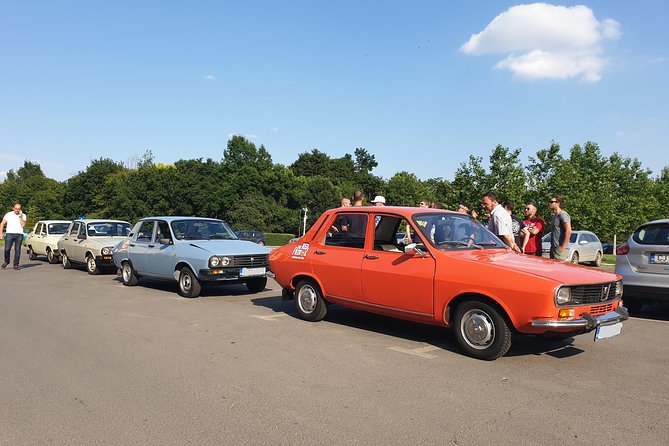
Casa Radio is one of the more unusual stops. The guide presents it as a communist ghost palace, with time for stories and photographs.
You should come here ready for atmosphere rather than a polished interior visit. Admission is not included, and the stop is designed around an exterior exploration and explanation. The value is in seeing a large state project that remains associated with the ambitions and unfinished work of the communist period.
The visit lasts about 20 minutes. That is long enough to take in the building and hear why it matters without turning the stop into a lengthy architectural lecture.
The Socialist Academy and Bucharest’s monumental scale
The Academia Română stop focuses on the former Socialist Academy of Romania, another communist-era building described as a ghost palace.
The stop is brief, about 10 minutes, with a presentation and time for pictures. That short timing is useful because the route covers several large sites. You get the point, see the building, and keep moving.
I like this part of the route because it broadens the story beyond political slogans. Communist power was also expressed through institutions, official education, architecture, and enormous buildings. The academy helps show how ideology occupied physical space.
A few more Bucharest trips worth putting side by side
- Castles of Transylvania: Private Day Trip from Bucharest
★ 4.5 · 248 reviews - Dracula’s Castle, Peles Castle and Brasov – Private Day Trip from Bucharest
★ 5.0 · 211 reviews - Best of Bucharest | Private Walking Tour
★ 5.0 · 199 reviews - Bucharest Panoramic Sightseeing – Private City Tour
★ 5.0 · 128 reviews
The Palace of Parliament needs scale, not just a photograph
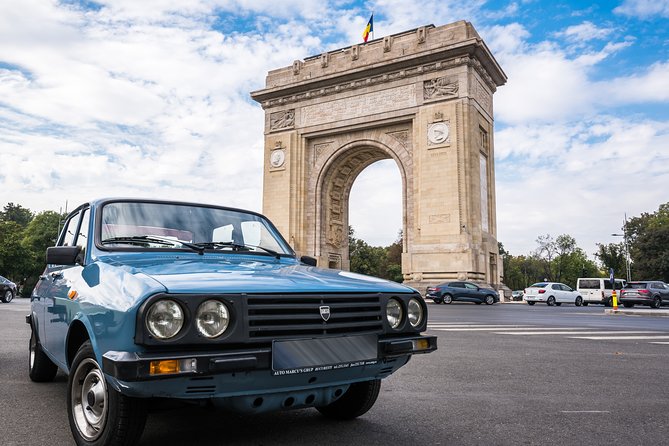
The Palace of Parliament receives about 30 minutes. The building is presented as the world’s second-largest administrative building, and its size is difficult to understand from a single street-level view.
The tour gives you a chance to consider the building as part of Ceaușescu’s grand redevelopment of Bucharest. It is a visual statement of centralized power, money, labor, and control.
Admission is not included, so this stop should be understood as an exterior presentation unless you arrange something else separately. The private format helps here. You can ask the guide to explain what you are seeing instead of moving past with a large group and a fixed script.
The Palace of Parliament can easily dominate a Bucharest visit. On this tour, it is one part of a larger route. That balance is useful because the communist story is not only about one famous building.
Apartment blocks show daily life behind the monuments
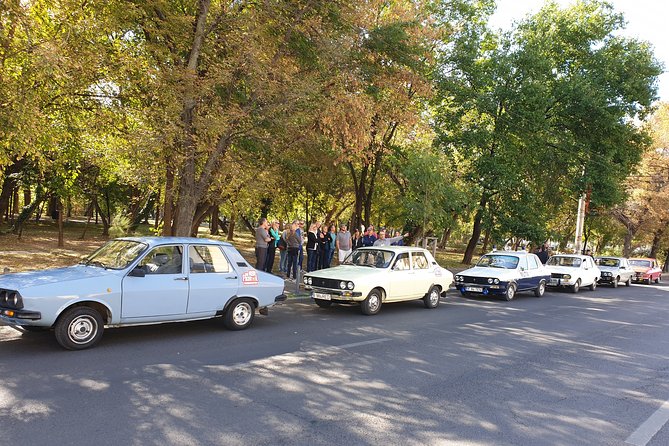
After the major public buildings, the route moves through communist housing blocks and residential quarters.
This is one of the most useful parts of the outing. Monumental buildings tell you how the state wanted to be seen. Apartment blocks show where ordinary city life took place. The contrast gives you a better sense of how the period shaped Bucharest at street level.
The supplied route does not promise an interior visit to an apartment. Instead, you explore the quarters by car and hear the guide’s presentation. That keeps the pace moving, but it also means the experience depends heavily on the guide’s storytelling.
Guide Șerban is specifically praised for clear commentary and personal memories of communism. That personal element can make the residential areas more meaningful, since you are not only looking at concrete blocks as architecture. You are hearing how the system affected people.
Government buildings and older Bucharest neighborhoods
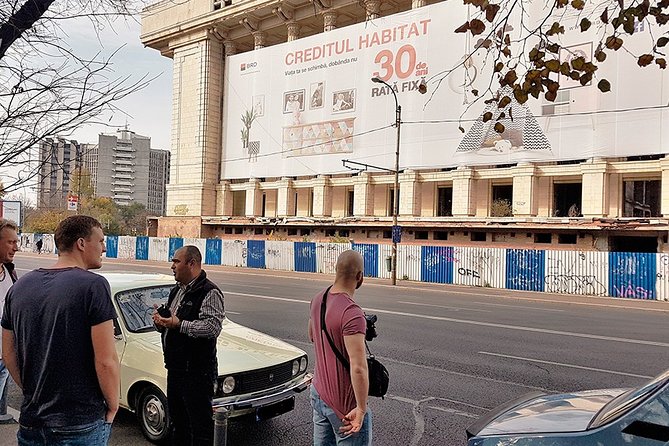
The route also passes the Romanian Government’s residential quarter and an older residential area built in the early twentieth century.
This creates a useful change of mood. Bucharest is not one single architectural story. Older homes, later state housing, government districts, broad boulevards, and oversized communist buildings all sit within the same city.
The panoramic drive through these areas helps you compare the city before and during communism. I would pay close attention to the transitions between neighborhoods. The point is not simply to collect buildings, but to see how Bucharest expanded and changed over time.
A full car ride along one of Bucharest’s oldest boulevards is also included. Since the route is private, you can ask the guide to pause on details that interest you, as long as the timing and traffic allow.
Ceaușescu’s house offers a more personal angle
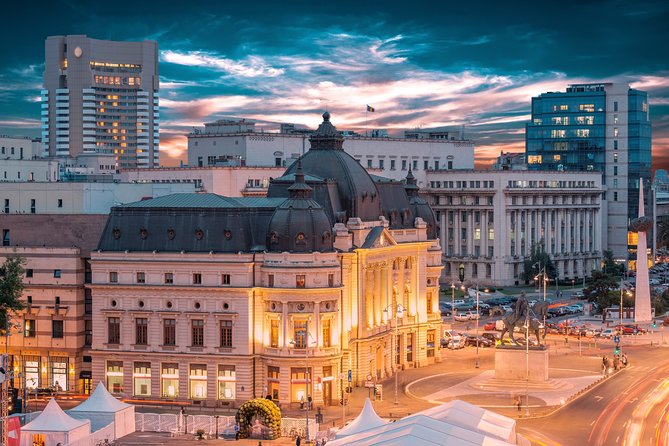
The stop at the private residence of Nicolae Ceaușescu lasts about 15 minutes. The guide gives a brief presentation, and admission is not included.
This stop shifts the story from public power to private life. After seeing the Palace of Parliament and communist institutional buildings, you get a more personal reference point for the man who shaped so much of the city’s identity.
Do not expect a long museum visit as part of the basic tour. The supplied timing points to a short presentation and exterior exploration. If you want a detailed interior visit, confirm the arrangements before booking, since admission is not included in the tour price.
The stop works best as part of the wider sequence. On its own, 15 minutes would be limited. After the political squares, monumental buildings, and housing districts, it adds another piece to the picture.
The House of the Free Press completes the communist picture
The House of the Free Press is the final named stop and lasts about 20 minutes. Admission is included here.
The building and surrounding area are connected with the communist press. That makes it an important counterpoint to Revolution Square. One place represents public upheaval and political change. The other points to how information was controlled and presented under the old system.
The stop gives the tour a strong ending because it returns to the question of power. You have seen where leaders worked, where people lived, and where official messages were produced.
What the private format adds
The experience is limited to your own group. That matters because the subject can raise questions that do not fit neatly into a standard city tour.
You can choose a start time that suits your schedule, and pickup is available from any address in Bucharest. Hotel drop-off is included as well. This saves time and keeps you from arranging taxis between several widely spaced sites.
The guide travels with you in the car, and the private format allows the commentary to respond to your interests. If you want more discussion about architecture, daily life, the 1989 revolution, or the cars themselves, you can ask directly.
The route is also efficient. In three to three and a half hours, you cover central landmarks, outlying communist buildings, residential districts, and older neighborhoods. Doing this independently would take more planning and would be less comfortable if you are unfamiliar with Bucharest.
Is the price of $120.68 per person fair?
At $120.68 per person, this is not the cheapest way to see Bucharest. Its value depends on how much you care about the private format and the unusual vehicle.
The price includes pickup and drop-off in Bucharest, a private local guide, a private driver if you do not want to drive, the restored Dacia, bottled water, a tour newspaper, and a personalized gift. You are also paying for a route that connects sites that are not usually covered in a short central walking tour.
For a larger private group, the cost may feel more reasonable because the experience is shared among your party. Group discounts are available, though the exact reduction should be checked at booking.
Food and drinks are not included. The vehicle lacks modern climate control, so I would also consider the season when judging value. In mild weather, the old car is part of the fun. In hot weather, its limitations become more noticeable.
The strongest value comes from the combination of transport, guide, and access to a focused subject. If you only want to see the Palace of Parliament and Revolution Square, a cheaper city tour may do the job. If you want a private look at communist Bucharest with a period car, the price is easier to justify.
Practical details that affect your day
The tour is offered in English. Confirmation arrives when you book, and pickup is available from all Bucharest addresses.
Bring your ID card and driving license, even if you expect to ride rather than drive. If you want to drive, you must have a valid license on the day of the tour.
Wear comfortable clothing suitable for driving. The tour requires good weather. If poor weather forces cancellation, you can choose another date or receive a full refund.
Free cancellation is available up to 24 hours before the start time. Cancellations or changes made less than 24 hours before departure are not accepted for a refund.
The activity is not suitable for children under 10 or pets. Most participants can take part, but the age rule and classic-car conditions are worth checking before you reserve.
Who should book the Red Patrol Dacia tour?
I would choose this tour if you want history told through places and personal stories rather than a list of dates. It suits couples, friends, and families with older children who like unusual transport and do not mind a basic vehicle.
It is especially good for anyone interested in the communist period, the 1989 revolution, architecture, or the way political systems change a city. The tour also works well early in a Bucharest visit, since it gives you useful context for many central buildings and neighborhoods.
I would think twice if you need air-conditioning, automatic transmission, a low-effort sightseeing ride, or a tightly structured museum program. The Dacia is restored and safe, but it is not a modern car.
Should you book it?
Book it if the idea of driving or riding in a Romanian Dacia appeals to you and you want more than the standard Bucharest highlights. The strongest parts are the private setting, Șerban’s personal storytelling, the mix of famous and overlooked communist sites, and the chance to see residential Bucharest alongside its monumental buildings.
Skip it if you mainly want indoor museum visits or modern vehicle comfort. For the right audience, this is a distinctive three-hour history tour with a car that is part of the lesson.
FAQ
How long does the Red Patrol tour last?
The experience lasts approximately three to three and a half hours.
Is hotel pickup included?
Yes. Pickup and drop-off are available from all addresses in Bucharest.
Can I drive the Dacia myself?
Yes. You can drive if you bring a valid driving license on the day of the tour. You should also bring your ID card and wear comfortable clothing.
What type of car is used?
The tour uses fully restored Dacia 1300 or 1310 cars from the 1970s and 1980s.
Does the car have air-conditioning or automatic transmission?
No. The classic cars do not have air-conditioning, ABS, GPS navigation, power steering, or automatic gear drive. They are heated during winter.
Is a private driver included?
Yes. A private driver is included if you prefer not to drive the car yourself.
Are children and pets allowed?
Children under 10 years old and pets are not allowed to participate.
What happens if bad weather cancels the tour?
You can choose a different date or receive a full refund if the experience is canceled because of poor weather.
Newest Bucharest trips we have written up
- Bucharest: Dealu Mare Winery Private Trip with Wine Tasting★ 4.9 · 6 reviews
- Winery touring & private wine tasting – one day private tour★ 5.0 · 3 reviews
- Traditions in Bucharest: Village Museum and Wine Tasting★ 5.0 · 8 reviews
- Your rendez-vous with Europe’s past: time-travel to Maramures, Transylvania★ 5.0 · 6 reviews
- Village Museum Bucharest Guided Tour★ 5.0 · 6 reviews
- Private Wine Tasting at Bucharest’s First Wine Bar★ 5.0 · 3 reviews
- Walking Tour of Bucharest City Center – Private Tour★ 5.0 · 4 reviews
- Wine tasting in Bucharest Old town – bonus cheese platter★ 4.5 · 6 reviews
Bucharest Private Car Tours, compared.
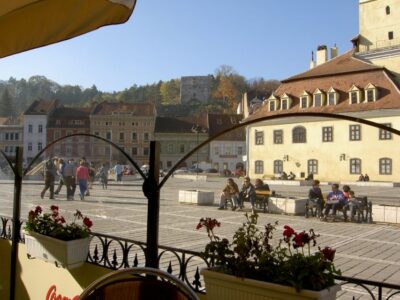
Bucharest Jewish Heritage | Holocaust Memorial | Private Car Tour
Read our review →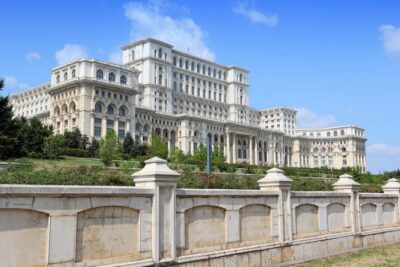
Private – Romanian Vintage Car Driving Tour of Bucharest 120 min
Read our review →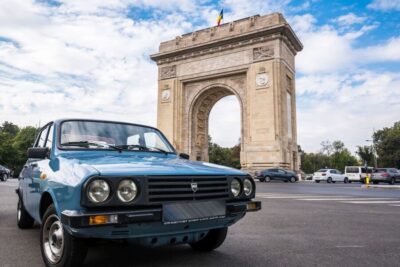
Private Communist Tour in a Romanian Vintage Car
Read our review →
Bucharest Luxury Airport Transfer with Minivan and Business Cars
Read our review →
5h Bucharest City Tour by Car/Minivan – Small Group max 7 people
Read our review →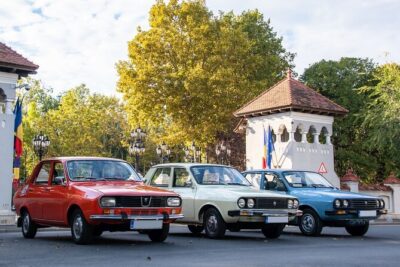
Private: RedPatrol Bucharest Contrasts Tour in a Vintage Car
Read our review →
Minivan 8 Places : Dracula Castle, Peles, & Brasov Day Tour
Read our review →Browse the lists this tour appears in