

Reviewed · BUCHAREST COMMUNISM AND CEAUSESCU TOURS
Bucharest: Museum of Communism Ticket with Communist Coffee
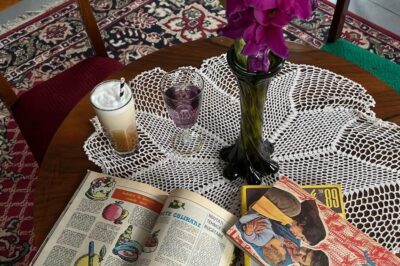
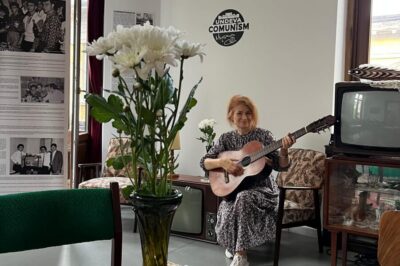
The most memorable part of this Bucharest museum visit may be the coffee. You sit on an old couch in a recreated living room, hold an original cup, and taste nechezol, the roasted-grain coffee substitute that appeared when Romania imported very little coffee in the final years of communism.
I like the hands-on exhibits, especially the typewriter, magazines, and old clothing. I also like the chance to ask questions in the rooms rather than simply walking past silent display cases. The $10 price is fair for a short stop, though you should know that the visit may take only 45 minutes to one hour, and some displays rely heavily on reading.
The Museum of Communism is a small, private museum in Bucharest’s Old Town. Its approach is informal and accessible, with music, photo opportunities, and a living-room setting. That makes it more approachable than a traditional history museum, but some explanations may feel simple if you already know Romania’s communist period well.
Key points to know before you go
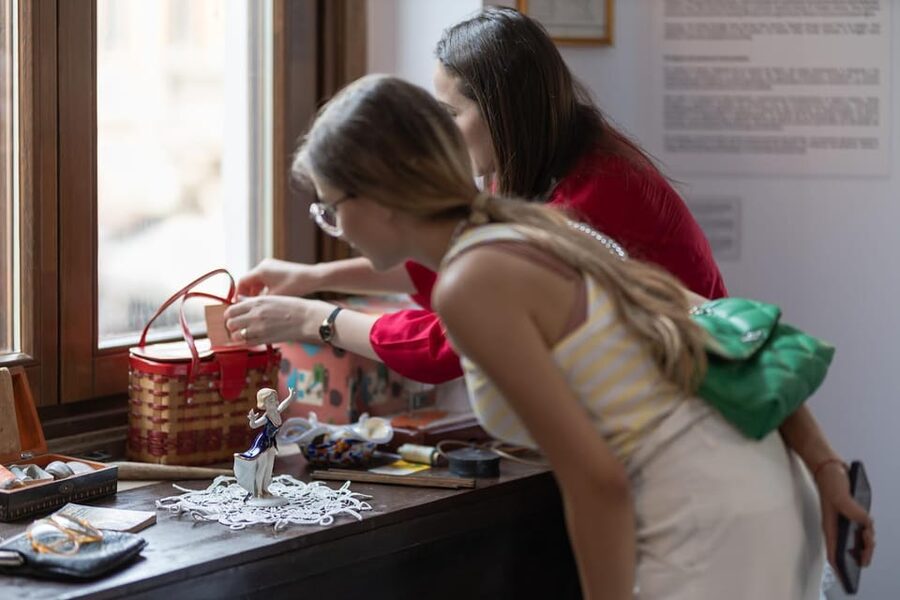
- Taste nechezol in an old communist-era cup: The coffee substitute is included with admission and is served in the museum’s living room.
- Touch the exhibits: You can type on an old typewriter, handle original magazines, and try on period clothing.
- Plan for a short visit: Most people should allow around 45 minutes to one hour, though careful readers may stay longer.
- Ask questions in English: English-speaking staff are available inside the museum rather than leaving you alone with the displays.
- Expect a small museum: It offers atmosphere and interaction, but not a large collection or a full scholarly survey.
- Wheelchair access is not available: This visit is not suitable for wheelchair users.
A short, hands-on introduction to communist Romania
The Museum of Communism gives you a look at Romania’s recent past through ordinary objects and domestic scenes. Instead of presenting only dates and political names, it shows how a political system reached into daily life, from what people read to what they drank and wore.
You can type on an old typewriter, look through original magazines, and try on old clothes. These objects matter because they turn an abstract history lesson into something you can handle. I find that especially useful if you are visiting Bucharest with children, teenagers, or anyone who prefers objects and activities to long museum labels.
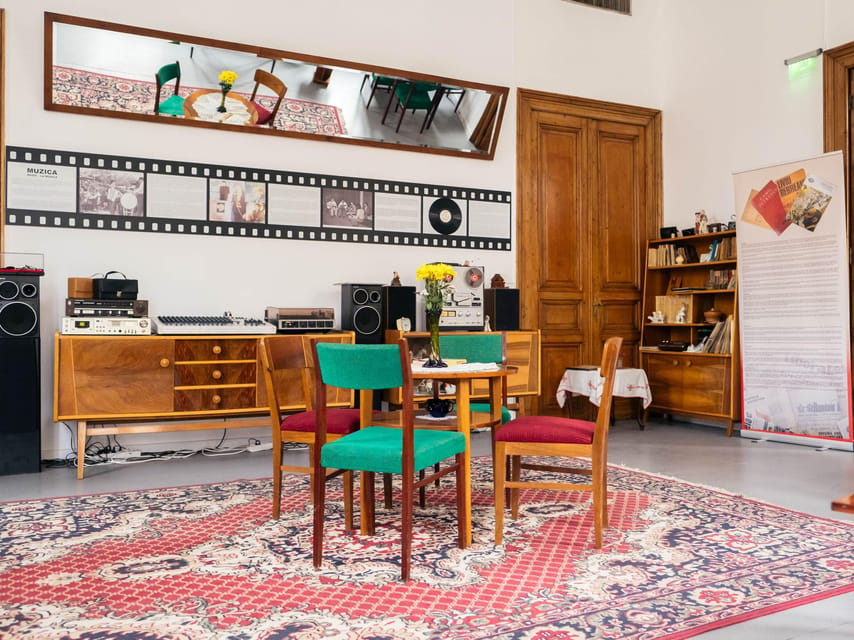
The museum also uses music, photo opportunities, and a communist-style living room to set the mood. This gives the visit a social, slightly playful side. You can take pictures and interact with the setting, though the lighter tone may not suit you if you want a solemn memorial or a detailed political museum.
The staff in the rooms are available to answer questions in English. That is one of the better features here. You can ask about an object as you see it, rather than trying to piece together its meaning from a label.
More communism and Ceausescu tours in Bucharest:
- The Real tour of Communism
★ 5.0 · 666 reviews - Life under Communism
★ 5.0 · 358 reviews - 3-Hour Guided Tour of Communist Bucharest
★ 4.9 · 303 reviews
The living room and the taste of nechezol
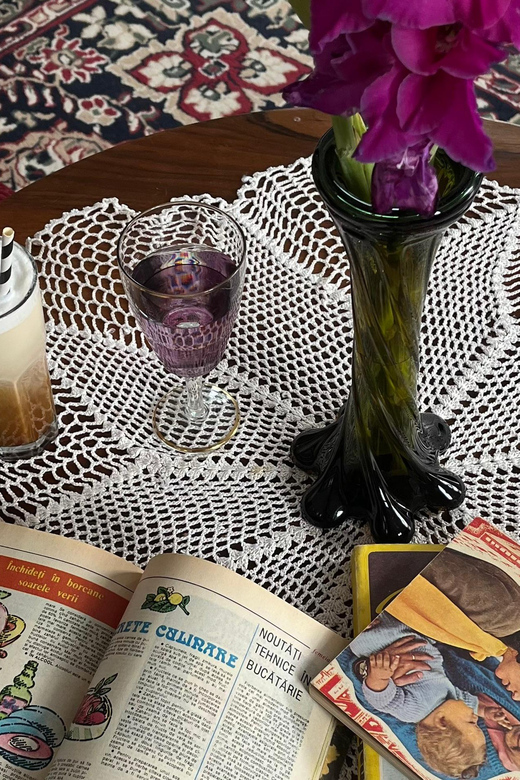
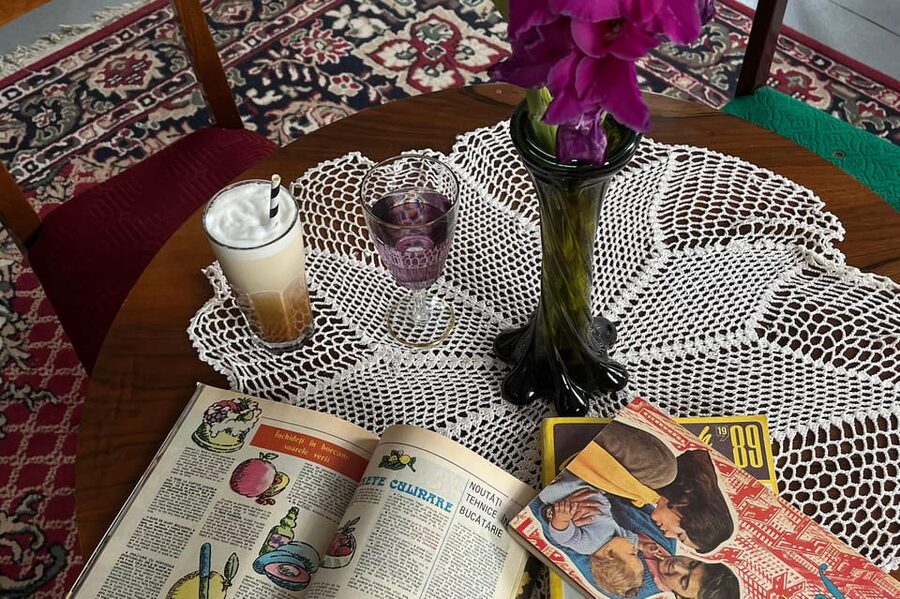
The included cup of nechezol gives this ticket its unusual hook. During the final years of Romanian communism, coffee was imported in very small amounts. A substitute made with roasted grains became known as nechezol, and the museum uses it to show how shortages shaped everyday habits.
You drink it from an old cup while sitting on the communist couch in the living room. That small detail does a lot of work. It places the drink in a domestic setting, where shortages were not a distant government policy but part of ordinary life.
You may find the coffee more pleasant than expected. It has been compared with instant coffee, and if you are not particular about coffee, you may not notice a huge difference. The point is less about judging the flavor than understanding why this substitute existed and what it represented.
I like that the coffee is not treated as a separate café stop. It belongs to the museum experience. You are invited to pause, look at the room, and consider how a very basic drink could become a symbol of an era.
There is also a small bar area at the museum. Clean toilet facilities are available, but there is no gift shop. If you want communist-era souvenirs, books, or postcards, this is not the place to browse for them.
What you will see and do inside

The museum’s displays are built around participation. You do not have to touch everything, but the experience works best when you do more than read.
The typewriter is a good example. It is a simple object, yet typing on it gives you a physical sense of older office and home life. Original magazines provide another useful link to the period. You can look at the design, language, and subjects rather than only reading a modern explanation of them.
Trying on old clothing adds a light, visual element. It also gives groups something to do together. If you are visiting alone, the museum may feel less lively because several of its interactive features are more fun when someone can take your picture.
Music and dressing-up opportunities help keep the visit moving. They are not a substitute for historical detail, but they make the museum less formal and may help younger visitors stay interested.
The displays also include posters and written information. This is where the museum can feel uneven. Some explanations may strike you as too simple, particularly if they describe goods, clothing, or habits that were also common elsewhere in the 1950s through the 1990s as if they were caused only by communism.
That criticism is worth taking seriously. The museum works best as an introduction to Romanian daily life under communism, not as the last word on the subject. If you want a more academic treatment, you may find the written material limited. The strength is in the objects, atmosphere, and staff interaction.
Why the staff make a difference
The English-speaking staff are important because the museum is not large. Without conversation, you could move quickly through the rooms and finish in a few minutes.
The staff working in the exhibition rooms have been praised for being friendly, available, and deeply engaged with the subject. Their enthusiasm can change the pace of your visit. Ask about the coffee, the objects, or the way the rooms are arranged, and you can get more from the stop than the labels alone provide.
No individual guide names are supplied for this experience, so you should not expect to book a named guide. The useful point is that an English-speaking host or greeter is part of the visit, and staff are available for questions inside the museum.
I would make a point of asking questions rather than waiting for a formal guided tour. The ticket describes access to staff in the museum, not a long, structured walking tour with a fixed lecture. That distinction matters if you are comparing this with a larger guided history tour.
More museums and tickets in Bucharest:
- Bucharest: Museum of Senses Entry Ticket
★ 4.2 · 364 reviews - Communism in Bucharest – Landmarks, Museum & Communist Appetizers
★ 5.0 · 111 reviews - Bucharest: Entry ticket at the Museum of Communism
★ 4.6 · 57 reviews - Bucharest: Dinner+Tour at Museum of Communism after closing
★ 4.9 · 46 reviews
How long the visit takes
The booking is valid for one day, with available starting times shown when you check. In practical terms, plan on about 45 minutes to one hour inside.
That short length can be a benefit. You can fit the museum between Old Town sights, lunch, or an evening plan without giving up half a day. At $10 per person, the cost is reasonable for a compact museum visit that includes an interactive setting and a drink.
The same short length is also the main limitation. If you read every poster, ask several questions, try the objects, and spend time with the coffee, you may stay longer. If you skim the text and move directly through the rooms, you could finish much sooner.
I would not build an entire day around this museum. Treat it as a focused Old Town stop. It works especially well when you want context for Bucharest’s recent past but do not want a four-hour history program.
Who will enjoy this Bucharest museum

This experience suits you if you like social history, ordinary objects, and small museums with a personal feel. It is a good choice for someone who wants to understand communism through domestic life rather than only through political speeches and timelines.
Families may appreciate the typewriter, clothing, music, and photo opportunities. The coffee also gives the visit a clear beginning and end. You can look at the rooms, interact with the objects, then sit down for a taste connected to the period.
It also suits first-time visitors to Bucharest who want a simple introduction to the country’s recent history. The museum does not require specialist knowledge, and the English-speaking staff can help explain unfamiliar details.
Solo visitors can still enjoy it, but some of the playful features may have less appeal when you have nobody to photograph or share the moment with. If you are alone, focus on the magazines, typewriter, and staff questions. Those parts do not depend on a group.
You may want to skip it if you dislike reading displays, staged rooms, or museums that mix serious history with dressing up and photo opportunities. You may also find it too basic if you have already studied Romanian communism in depth.
Value at $10 per person
At $10, the ticket offers good value for a short stop. Admission includes the museum and a cup of nechezol, so the price is not only for access to a set of posters and objects. You also get a small activity and a taste connected to the history.
The value depends on how you use the visit. If you walk through in five minutes, the price may feel high for the amount of content. If you spend an hour reading, trying the exhibits, asking questions, and sitting with the coffee, it makes more sense.
I would compare it with the price of a simple café visit, but I would not treat the coffee itself as the main reason to book. Nechezol is a novelty and a useful historical detail, not a premium coffee tasting.
The ticket also offers free cancellation up to 24 hours before the visit and a reserve-now, pay-later option. Those terms help if your Bucharest schedule is still changing. The experience is offered in English, which makes it easier to use as a first stop before exploring other sites connected to the city’s recent history.
Practical details that affect your choice
The museum is in Bucharest, in the Old Town area. That location makes it easy to pair with other central sights, though the information provided does not specify the exact street address or transport directions.
The activity is not suitable for wheelchair users. This is an important planning point, and you should confirm access needs before booking if anyone in your party has limited mobility.
The available language is English. The host or greeter is also listed as English-speaking, so you should be able to ask questions and understand the main information during the visit.
There is no need to plan a full day for the museum itself. The ticket remains valid for one day, but the usual time spent inside is much shorter. Check the available starting times when you book.
The museum has clean toilet facilities and a small bar area, but no gift shop. That makes it practical for a quick visit, but you should not expect a large museum complex with several services.
The main strengths and weaknesses
The strongest part of the museum is its personal scale. You can touch objects, sit in the living room, and speak with staff. That creates a direct connection to the recent past that a large collection of sealed cases may not provide.
The coffee is another clever feature. Nechezol gives you a specific story to remember, and the old cup and couch make the idea easier to picture. It is a small detail, but it is more memorable than another paragraph about shortages.
The main weakness is the limited depth of some written material. The museum may present familiar mid-century habits as specifically communist, and some visitors may want more historical nuance. The collection is also small, so you should not expect hours of exhibits.
The visit can also feel different depending on your pace. A careful reader who asks questions may find enough for an hour. Someone who simply crosses the rooms may be finished in five minutes. Your expectations matter here.
Should you book the Museum of Communism?
Book it if you want a short, affordable introduction to Romania’s communist period, with objects you can touch and a cup of nechezol served in a period-style living room. The friendly English-speaking staff and informal setting add value, especially if you ask questions.
Skip it if you want a large museum, a fully academic account, or a long guided tour. The displays are compact, some explanations may feel simplified, and the experience is not suitable for wheelchair users.
For most visitors with an hour free in Bucharest’s Old Town, I think the $10 price is reasonable. Go for the combination of daily-life objects, conversation, and coffee, not for a vast collection. The result is a small but memorable way to put Romania’s recent history into everyday terms.
FAQ
Where is the Museum of Communism experience located?
It is located in Bucharest, in the Bucharest-Ilfov area, and the museum is described as being in the Old Town.
How much does the ticket cost?
The ticket costs $10 per person.
How long does the museum visit take?
You should plan for about 45 minutes to one hour, although your visit may be shorter or longer depending on how much you read and how many questions you ask.
Is coffee included with admission?
Yes. Admission includes one cup of nechezol, a communist-era coffee substitute.
What is nechezol?
Nechezol was a coffee substitute that appeared during the final years of communism in Romania, when imported coffee was available only in very small amounts.
Where do you drink the communist coffee?
You drink it in the museum’s living room, sitting on a communist-era couch and using an original old cup.
Can you touch the museum exhibits?
Yes. You can type on an old typewriter, read original magazines, and try on old clothing.
Is the experience available in English?
Yes. The listed language is English, and English-speaking staff are available in the museum to answer questions.
Is the museum suitable for wheelchair users?
No. The experience is listed as not suitable for wheelchair users.
Can you cancel the booking for a refund?
Yes. You can cancel up to 24 hours in advance for a full refund. You can also reserve the experience and pay later.
Newest Bucharest trips we have written up
- Bucharest: Dealu Mare Winery Private Trip with Wine Tasting★ 4.9 · 6 reviews
- Winery touring & private wine tasting – one day private tour★ 5.0 · 3 reviews
- Traditions in Bucharest: Village Museum and Wine Tasting★ 5.0 · 8 reviews
- Your rendez-vous with Europe’s past: time-travel to Maramures, Transylvania★ 5.0 · 6 reviews
- Village Museum Bucharest Guided Tour★ 5.0 · 6 reviews
- Private Wine Tasting at Bucharest’s First Wine Bar★ 5.0 · 3 reviews
- Walking Tour of Bucharest City Center – Private Tour★ 5.0 · 4 reviews
- Wine tasting in Bucharest Old town – bonus cheese platter★ 4.5 · 6 reviews
Bucharest Communism and Ceausescu Tours, compared.

Bucharest Essential Tour: Old Town, Calea Victoriei & Communism
Read our review →
Dinner+Tour at Museum of Communism after closing
Read our review →
Contrasts of Communism – Small Group Walking Tour in Bucharest
Read our review →Browse the lists this tour appears in