
Reviewed · BUCHAREST COMMUNISM AND CEAUSESCU TOURS
3-Hour Guided Tour of Communist Bucharest
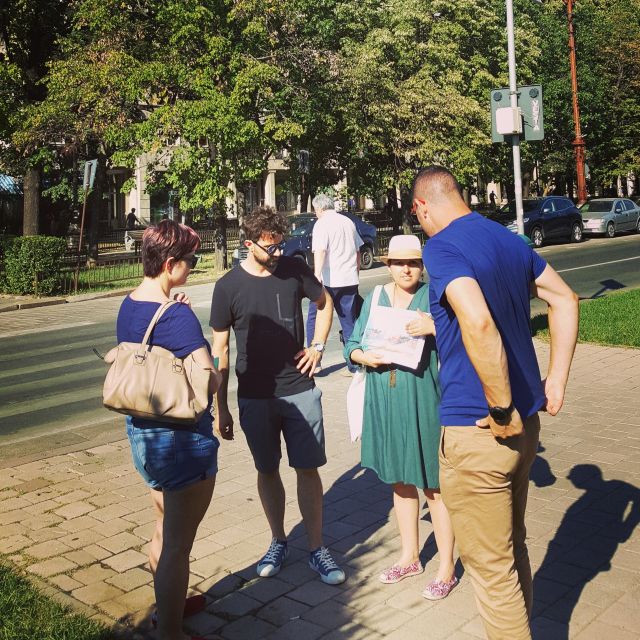
Bucharest’s communist past is easiest to understand on foot, where grand avenues, demolished neighborhoods, memorials, and surviving older streets tell a story of power and loss. This three-hour tour connects Ceausescu’s monumental building projects with the ordinary lives affected by nationalization, forced demolition, shortages, and political control. Cristina and other local guides use photographs and family stories to make the period feel close, not abstract.
I like the way the tour sets communist Bucharest against the more graceful inter-war city that came before it. I also like the stop at a café, which gives you time to rest and talk through what you have seen. The main drawback is that you spend much of the three hours outdoors, so hot weather, limited shade, and long periods standing can make the walk tiring. Comfortable shoes and water are wise.
Key points to know before you book
- The Palace of Parliament is viewed from outside: The building is a major stop, but entry is not part of this experience.
- You see both planned power and lost neighborhoods: The route includes communist landmarks, the remains of Uranus, and inter-war areas spared from redevelopment.
- Personal stories add useful context: Guides such as Cristina have used family memories, old photographs, and even a period snack to explain daily life.
- The 1989 revolution is central to the story: Political memorials and key sites help explain how the dictatorship ended.
- The pace is generally comfortable: The walk includes planned stops and time for questions, though sunny days can be demanding.
- The price is modest for a focused history walk: At $29 per person, the tour offers three hours of guiding, local context, and a café break, with refreshments and museum tickets extra.
Why Communist Bucharest makes sense as a walking tour
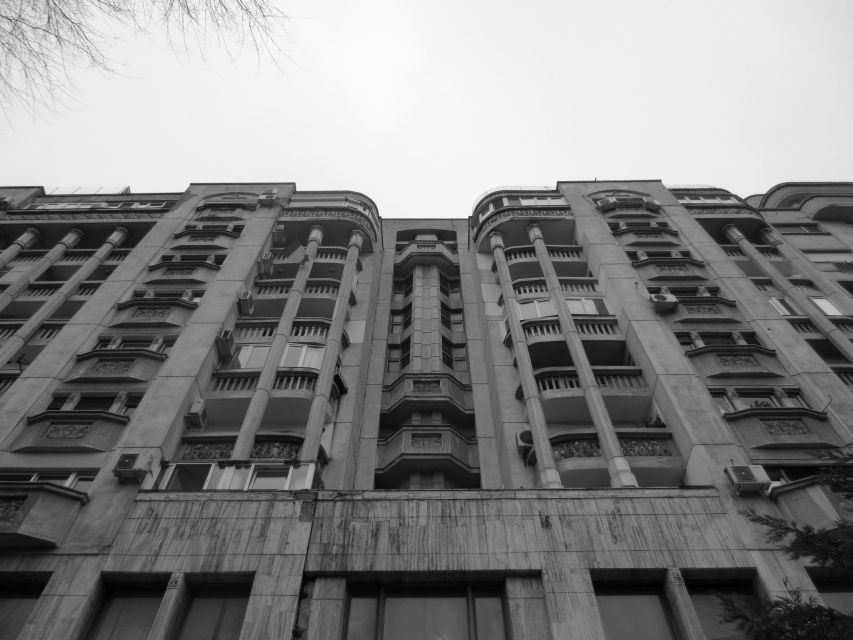
Bucharest can seem visually confusing at first. Elegant nineteenth and early twentieth-century buildings may sit close to severe apartment blocks, broad traffic corridors, and enormous government structures. This tour gives you a way to read those contrasts.
The central idea is a clash between two versions of the city. One is the relatively prosperous, cosmopolitan Bucharest of the inter-war period. The other is the city reshaped by Romania’s communist government, especially under Nicolae Ceausescu. His regime used architecture and urban planning to project order, control, and national power.
You do not simply look at buildings and hear dates. You learn why entire streets disappeared, why homes were nationalized, and how families experienced a government that could alter their neighborhood with little warning. That human scale is what makes the walk worthwhile.
The guides also explain the violent beginnings of communist rule, rather than treating 1989 as an isolated event. You get a longer view of how the system was imposed, how it affected daily routines, and why opposition finally erupted.
More communism and Ceausescu tours in Bucharest:
- The Real tour of Communism
★ 5.0 · 666 reviews - Life under Communism
★ 5.0 · 358 reviews - Bucharest Essential Tour: Old Town, Calea Victoriei & Communism
★ 5.0 · 142 reviews
Starting near the Patriarchy bell tower
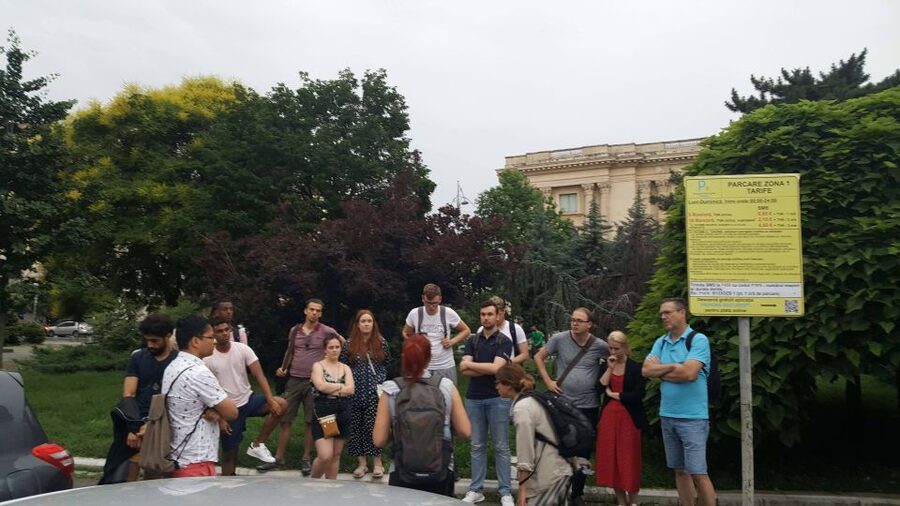
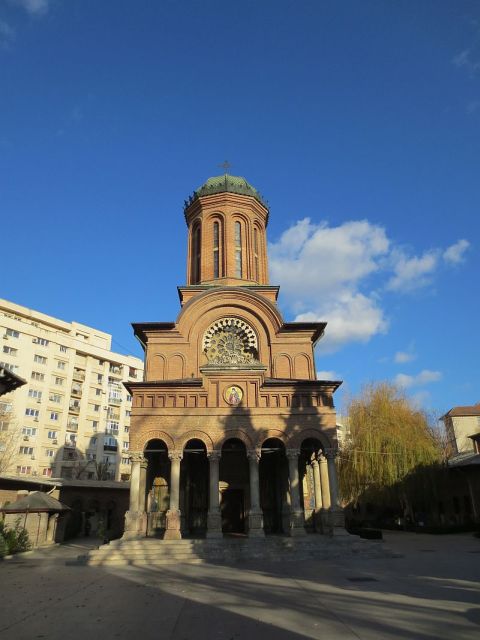
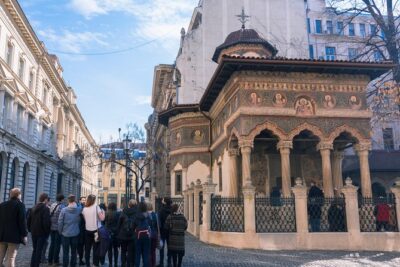
The meeting point is near the red-brick bell tower of the Patriarchy, at Aleea Dealul Mitropoliei 19, within walking distance of Piata Unirii. This is a practical starting point because it places you near important central areas while giving the group a recognizable landmark to find.
You should arrive ready for a walking tour rather than a bus excursion. The route moves through streets and open areas, with the guide stopping to explain what happened at each location. Bring water from the beginning, especially in summer. A café stop comes later, but it should not replace your own water bottle.
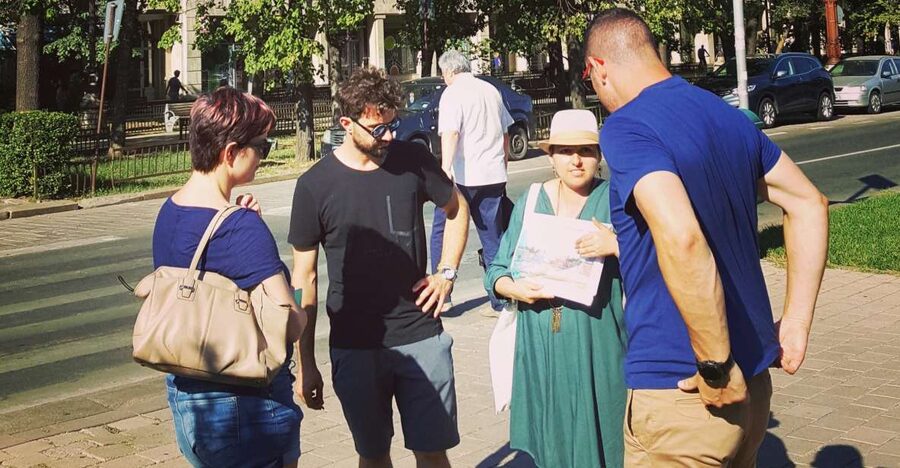
The English-language guiding is a major part of the experience. The strongest guides, including Cristina, have been praised for clear storytelling, humor, family anecdotes, and the use of old images. Guides have also answered many questions and adjusted the pace when needed. That matters here because the subject includes political repression, architecture, economics, and personal memory all at once.
Seeing Ceausescu’s city from the outside
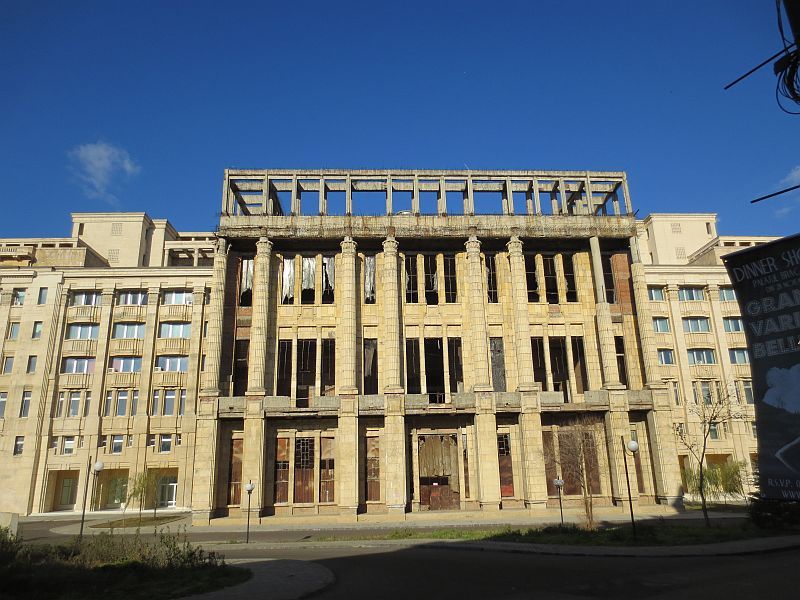
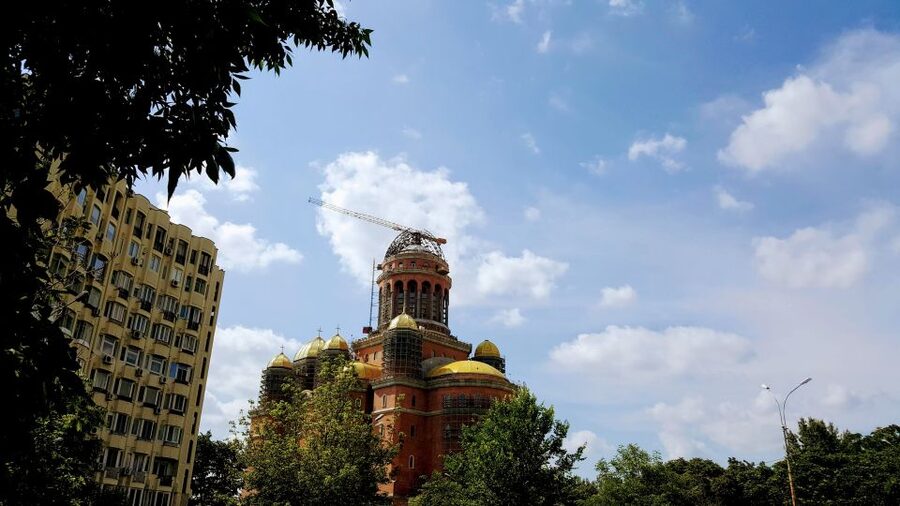
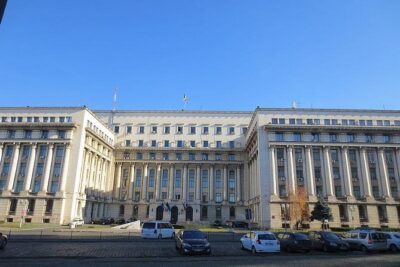
The Palace of Parliament is the visual centerpiece. Its scale makes the ambition of Ceausescu’s urban program immediately clear, even when you are only looking at it from outside. The guide explains the Ceausescu family, the building program, and the human cost behind the transformation of central Bucharest.
This is not a palace interior visit. Any museum or Palace of Parliament admission fee is separate, and the tour itself does not include entry. That limitation is easy to overlook when booking, but it also keeps the experience focused on the wider city rather than one building.
The outdoor explanation helps you place the palace within a much larger plan. Ceausescu did not merely commission a large government building. His redevelopment program altered the city around it, changing streets, homes, and older neighborhoods to create monumental avenues and a controlled central zone.
You will likely spend time standing while the guide talks. On a mild day, this is manageable. On a very hot day, it can become the hardest part of the tour, particularly if shade is limited. Wear supportive shoes and plan your clothing for several hours outside.
Uranus and the neighborhoods that disappeared
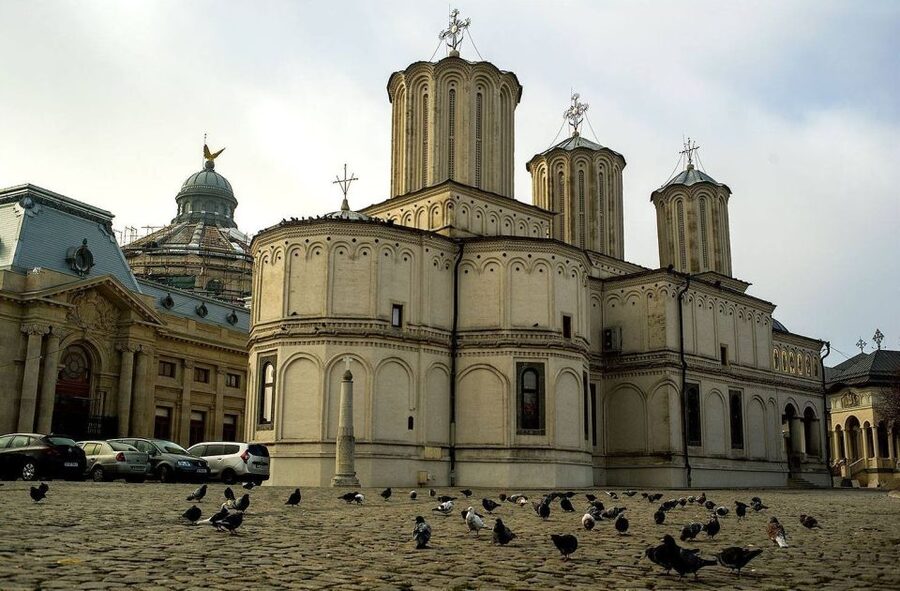
The remains of the Uranus neighborhood give the tour its most sobering human dimension. Instead of seeing only monumental architecture, you learn what was removed to make room for it. Homes were forcibly demolished, and residents were displaced as communist urban remodeling pushed through historic parts of Bucharest.
The stop is valuable because it prevents the Palace of Parliament from becoming just an impressive photograph. You begin to connect the building and its surrounding avenues with the streets and households that were erased.
The tour also visits charming inter-war neighborhoods that survived the redevelopment. These streets offer a useful comparison. Their scale, details, and residential character help you imagine the city before communist planning imposed a much more monumental shape.
I like this contrast because it avoids a simple tour of concrete and political slogans. You see what was lost, what survived, and how different layers of Bucharest remain next to one another. The city becomes a document that you can read block by block.
The route’s exact balance may depend on the guide and the group. Guides have been praised for moving at the group’s pace and answering questions, so you can expect some flexibility rather than a rigid lecture. Still, three hours is not enough to explore every district or enter every major site.
A few more Bucharest trips worth putting side by side
- Bucharest: 3-Hour Dark History Tour with a Local
★ 4.9 · 301 reviews - Bucharest: Alternative Sightseeing 2.5-3h-Hour Guided Tour
★ 4.9 · 80 reviews - Bucharest: 3-Hour Walking Tour
★ 4.9 · 77 reviews - Bucharest: Relics of Communism 3-Hour Walking Tour
★ 4.9 · 77 reviews
Daily life under Romanian communism
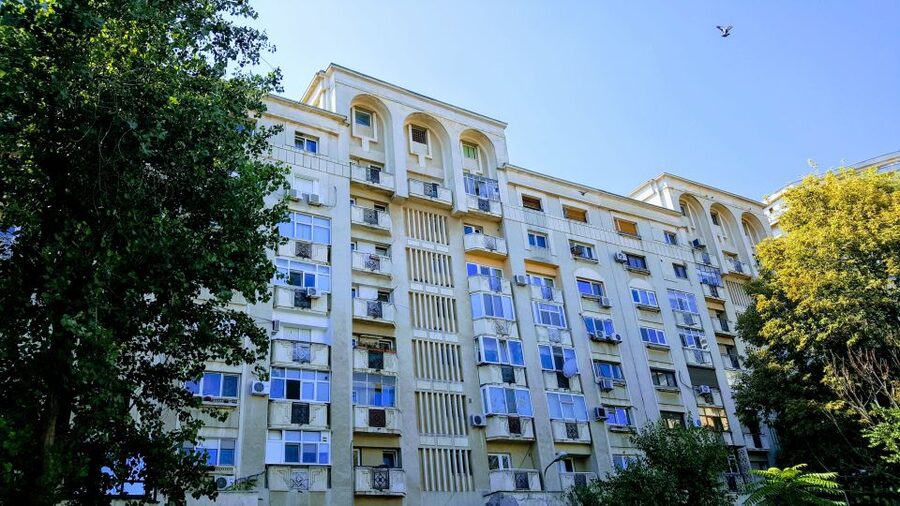
The tour’s most useful material concerns ordinary life. You hear what it was like to live under communist rule, not only what the leadership planned. The guide discusses the effects of state control, nationalization, forced demolition, and the wider restrictions that shaped family life.
Personal anecdotes make these subjects easier to grasp. Cristina has used stories from her own family, old photographs in a binder, and visual material to show how life looked during the period. That kind of evidence gives you something concrete to picture while walking through streets that have changed.
A small snack is included, and some guides have brought an old Romanian snack for the group to try. It is a modest detail, but it fits the topic well. Food can make history more tangible, especially when the conversation turns to shortages, habits, and the small pleasures people held onto.
Do not expect a full meal or a long food tasting. Drinks and snacks purchased at the café cost extra, and one past participant wished there had been more snacks to share. Think of the included item as a small touch, not the main reason to book.
The guide’s tone also matters. The subject is painful, but the best versions of this tour combine seriousness with warmth and occasional humor. Visitors have praised Cristina, Elena, Andrea, Florycica, and other guides for making difficult material understandable without turning it into a dry lecture. The guide assigned to your departure may vary.
The 1989 revolution and the end of the regime
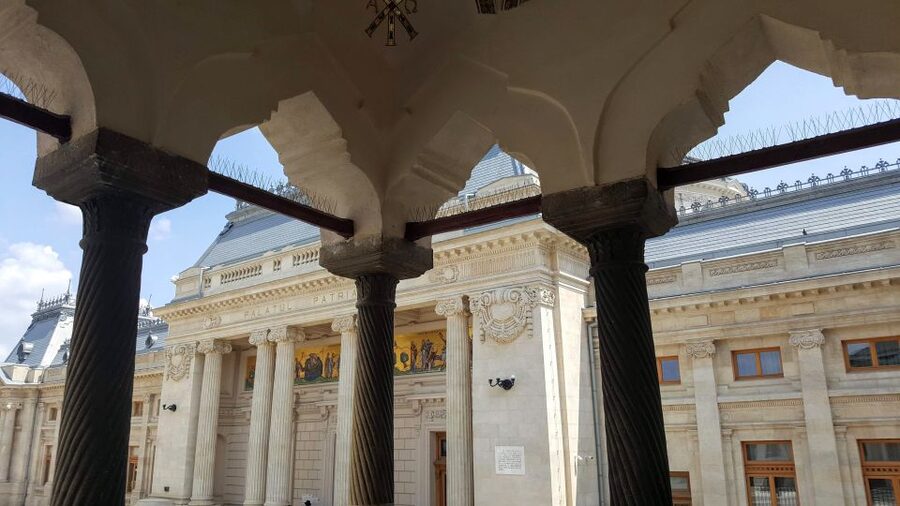
The final part of the story brings you to political memorials and places linked to the anti-communist revolution of 1989. Here, the tour explains how public anger, resistance, and violence brought the Ceausescu era to an end.
The guide helps you understand the revolution as a Romanian event with wider European meaning. The fall of the dictatorship formed part of the collapse of the Iron Curtain, but the walk keeps the focus on what happened in Bucharest and how local people experienced it.
This section benefits from a local guide because the events are not distant medieval history. They are within living memory, and family stories can add texture that a general city tour might miss. The discussion also covers both communist and post-communist life, helping you see that 1989 was a turning point, not a magic overnight fix.
You may find this part emotionally heavier than the architectural stops. That is appropriate. The tour does not treat the revolution as a neat finale after the sightseeing. It links the political memorials to the earlier discussion of control, demolition, and everyday frustration.
A café break at the right moment
A short café break is built into the three-hour route. You pay for your own drink or snack, but the pause gives your legs a rest and creates a natural moment to ask questions.
This break is especially helpful because the tour is mostly outdoors. Several people have described it as welcome and well timed, particularly after walking and standing. It also gives the group a chance to discuss the material informally instead of moving straight from one serious stop to the next.
Do not count on the café as a substitute for lunch. Bring water, and budget a little extra if you want coffee, a soft drink, or food. The $29 price covers the guided experience and small snacks, but not café purchases or museum admissions.
Is $29 good value for three hours?
At $29 per person, I consider this a strong value if communist history is one of your reasons for visiting Bucharest. You receive three hours of local guiding, a planned walking route, explanations at important sites, visual material, and a café pause. A self-guided walk would show you the buildings, but it would not easily explain why those buildings changed the city or how the changes affected residents.
The value depends on your interest. If you mainly want elegant architecture, shopping, or a broad introduction to Bucharest, another city walk may suit you better. This tour is focused and sometimes serious. Its strength is the story behind the streets.
The 4.9 out of 5 rating from 303 ratings suggests a consistently strong experience, and the most repeated praise concerns the guides’ storytelling, preparation, warmth, and ability to answer questions. Cristina receives especially frequent praise, but the experience has also been led by guides named Elena, Andrea, Florycica, Ene, and others.
I would not book it expecting a large museum program or an interior visit to the Palace of Parliament. I would book it for the city context, the personal memories, and the chance to see both surviving inter-war Bucharest and the marks left by dictatorship.
Who will get the most from this tour?
This is a good choice for first-time visitors who want Bucharest to make more sense. It is also useful if you have already seen the main central sights and want to understand the political story behind them.
You will get the most from it if you enjoy asking questions. The guides have been praised for welcoming discussion and adjusting explanations to the group. Families can also benefit because the subject is presented through stories and images rather than only through dates.
History-minded visitors should find plenty to hold their attention, especially if you are interested in twentieth-century Europe, the Cold War, architecture, or political change. The tour also suits anyone who prefers a personal local perspective to a large, impersonal group presentation.
It may be less suitable if you dislike walking, standing, or emotionally difficult subjects. Hot weather can make the outdoor format tiring. Choose comfortable shoes, carry water, and keep your schedule slightly flexible after the tour in case you want time to process what you have heard.
Practical details worth knowing
The tour lasts three hours and is conducted in English. Starting times vary, so check availability for your date. Free cancellation is available up to 24 hours before the tour, and you can reserve now and pay later if you want to keep your plans flexible.
Museum fees are not included. The Palace of Parliament interior is not included. Café drinks and snacks are also extra, while small snacks are part of the experience.
The meeting point is near the red-brick Patriarchy bell tower at Aleea Dealul Mitropoliei 19, close to Piata Unirii. Look for the bell tower rather than relying only on a street address.
Should you book the Communist Bucharest tour?
Book it if you want more than a quick look at the Palace of Parliament. The best reason to go is the connection between architecture, forced redevelopment, daily life, and the 1989 revolution. The guides bring those links to life with clear English, old photographs, family stories, and a conversational style.
Skip it if you want an indoor museum visit, a short sightseeing loop, or a tour centered on food and shopping. For everyone else, $29 buys a thoughtful three-hour introduction to the part of Bucharest that is easiest to miss and hardest to understand alone.
FAQ
How long does the Communist Bucharest tour last?
The tour lasts three hours.
What language is the tour conducted in?
The live guided tour is conducted in English.
Where does the tour meet?
It meets near the red-brick bell tower of the Patriarchy at Aleea Dealul Mitropoliei 19, București 030167, within walking distance of Piata Unirii.
Is entry to the Palace of Parliament included?
No. The tour visits and explains the Palace of Parliament from outside, but entry inside is not included.
Are museum fees included?
No. Any museum admission fees you choose to pay are separate.
Are drinks and café snacks included?
No. The café stop is included, but drinks and snacks purchased there are at your own expense. Small snacks are included in the tour.
What should I bring?
Bring comfortable shoes. Water is also useful, especially on sunny or hot days.
Can I cancel for a full refund?
Yes. You can cancel up to 24 hours in advance for a full refund.
Newest Bucharest trips we have written up
- Bucharest: Dealu Mare Winery Private Trip with Wine Tasting★ 4.9 · 6 reviews
- Winery touring & private wine tasting – one day private tour★ 5.0 · 3 reviews
- Traditions in Bucharest: Village Museum and Wine Tasting★ 5.0 · 8 reviews
- Your rendez-vous with Europe’s past: time-travel to Maramures, Transylvania★ 5.0 · 6 reviews
- Village Museum Bucharest Guided Tour★ 5.0 · 6 reviews
- Private Wine Tasting at Bucharest’s First Wine Bar★ 5.0 · 3 reviews
- Walking Tour of Bucharest City Center – Private Tour★ 5.0 · 4 reviews
- Wine tasting in Bucharest Old town – bonus cheese platter★ 4.5 · 6 reviews
Bucharest Communism and Ceausescu Tours, compared.
Bucharest Essential Tour: Old Town, Calea Victoriei & Communism
Read our review →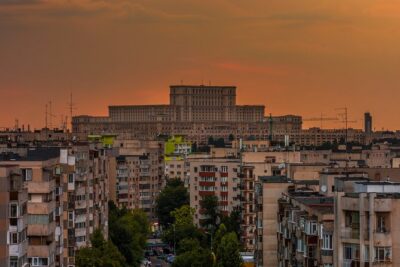

Museum of Communism Ticket with Communist Coffee
Read our review →
Dinner+Tour at Museum of Communism after closing
Read our review →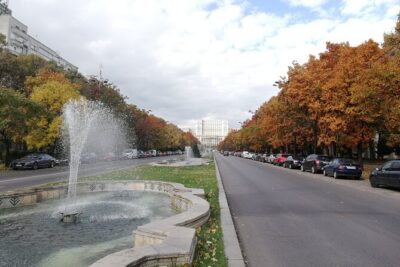
Contrasts of Communism – Small Group Walking Tour in Bucharest
Read our review →Browse the lists this tour appears in