
Reviewed · BUCHAREST WALKING TOURS
Slavery in Romania,Myths and Truths on Gypsies, Walking Tour
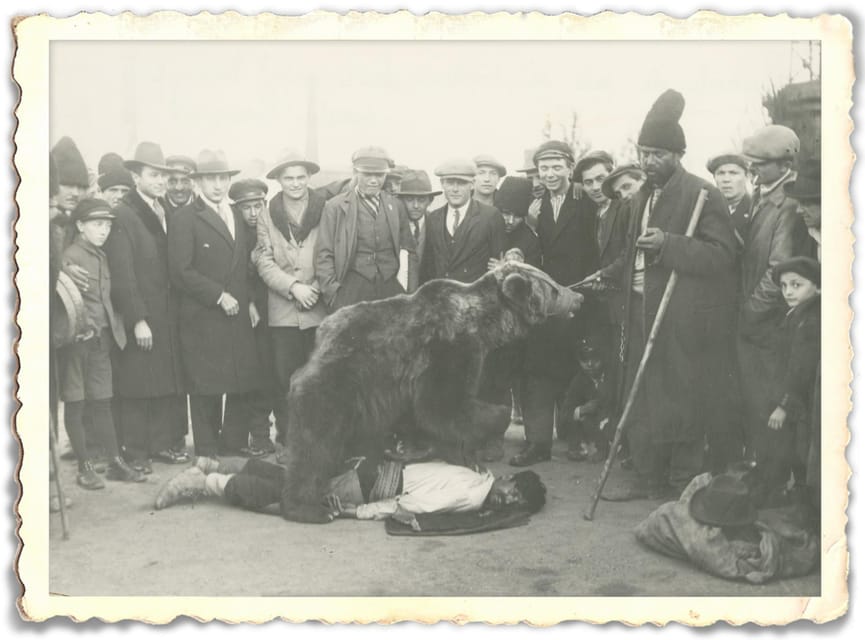
Romania’s Roma story is not a side note to Bucharest sightseeing. It includes centuries of slavery, Holocaust persecution, forced assimilation, discrimination, and strong cultural survival. This three-hour walking tour puts that story in the city itself, using former sites, monuments, parks, and communist-era streets to explain how Roma people fit into Romanian society.
I like the way the tour connects difficult history to familiar places such as the Romanian Athenaeum and Cișmigiu Gardens. I also like the thoughtful pacing: guides such as Andreea, Daniela, and Mihail use photographs, stories, music links, and regular sitting or water breaks to make a serious subject easier to follow. The main drawback is that the tour offers limited direct contact with Roma people, a point worth considering if you want community-led discussion rather than historical interpretation.
Key points to know before booking
- Former slave-market site: Begin with the uncomfortable truth that Roma people were enslaved in Romania for centuries.
- Holocaust Memorial visit: Learn about the Roma lives lost during Romania’s persecution and genocide.
- Bucharest landmarks with a new meaning: The Athenaeum, Cișmigiu Gardens, and Revolution Square become settings for social history, not just photo stops.
- Strong guide-led discussion: Andreea, Daniela, and Mihail have been praised for clear explanations, empathy, humor, and careful handling of sensitive subjects.
- Optional jewelry workshop: Add a traditional craft session with a Roma artisan at Mesteshukar ButiQ.
Why this Bucharest walking tour matters
It is easy to visit Bucharest, admire its grand buildings, and miss the people who have been pushed to the edge of the national story. This tour corrects that imbalance. It is not a standard city walk with a few Roma references added in passing. Roma history is the main subject from start to finish.
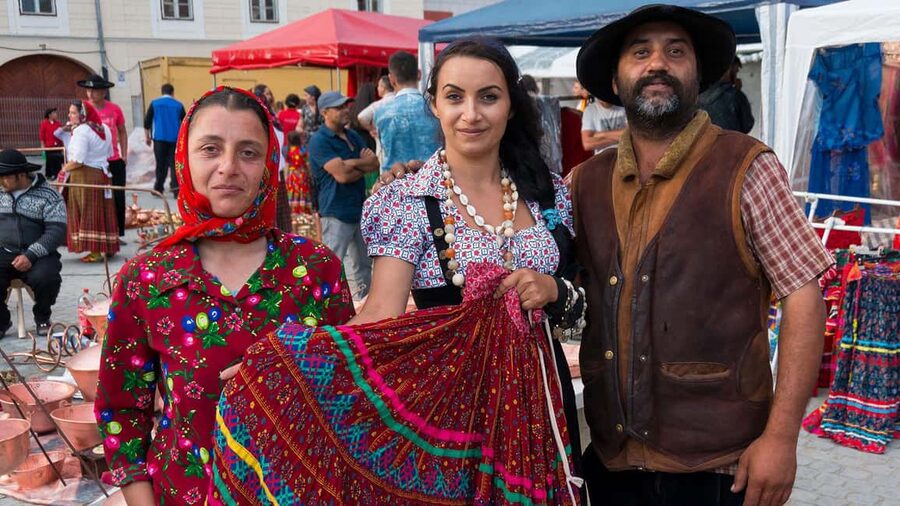
You will learn how Roma people were treated as property in Romania, how that system shaped later prejudice, and how old assumptions still affect Roma communities today. The guide also explains Roma identity, language, symbols, music, and traditions without treating the community as a curiosity.
The subject calls for care. Roma is the preferred term used in the tour description, while Gypsy is part of the title because it reflects a common label and the myths attached to it. Your guide addresses those assumptions directly rather than quietly repeating them.
I especially value the tour’s balance. It deals with slavery and genocide, but it also tells stories of endurance and cultural life. You are not left with a portrait of Roma people defined only by suffering.
More Roma Community Tours in Bucharest
- Bucharest: Real Roma Community – Crafting Workshop
★ 5.0 · 13 reviews - Slavery in Romania Myths and Truths About Gypsies
★ 5.0 · 8 reviews - The Real Story of Gypsies – Slavery in Romania
★ 5.0 · 7 reviews
Starting at Romana Square and the former slave market
Meet in the small square in front of Teatrul Ion Creangă, a short walk from Piata Romana metro station. The tour then moves toward a less comfortable kind of landmark: the site of a former slave market.
There may be no grand structure left to photograph, and that is part of the point. You are standing in an ordinary part of Bucharest while hearing about the sale and ownership of human beings. The guide provides the historical setting and explains the long effect of slavery on Roma identity and social status.
This opening gives the tour its moral center. It makes clear that current prejudice did not appear from nowhere. It grew from a system that treated Roma people as property and kept them outside equal participation in society.
You should expect discussion rather than a museum display. The guide may use images and visual material to explain major points, which helps turn an unseen past into something easier to understand. Since the opening subject is serious, this is best suited to adults and older children who can engage with difficult history.
The Romanian Athenaeum and the power of national symbols
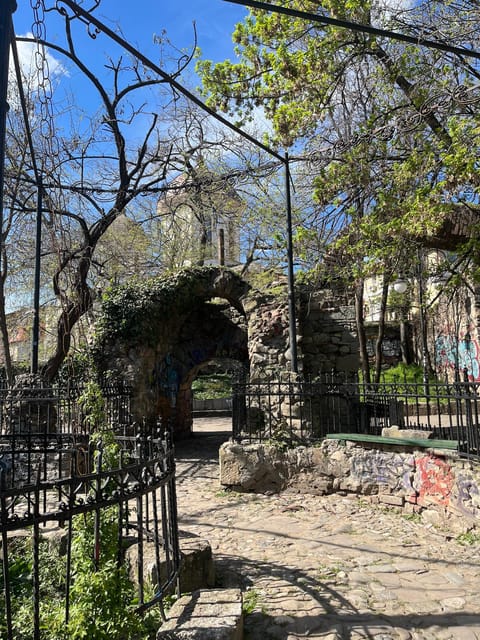
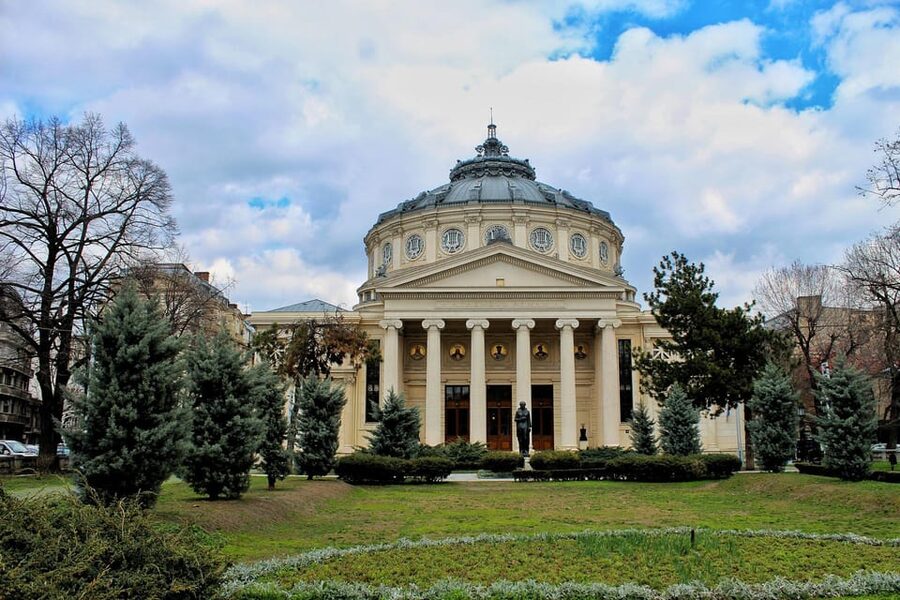
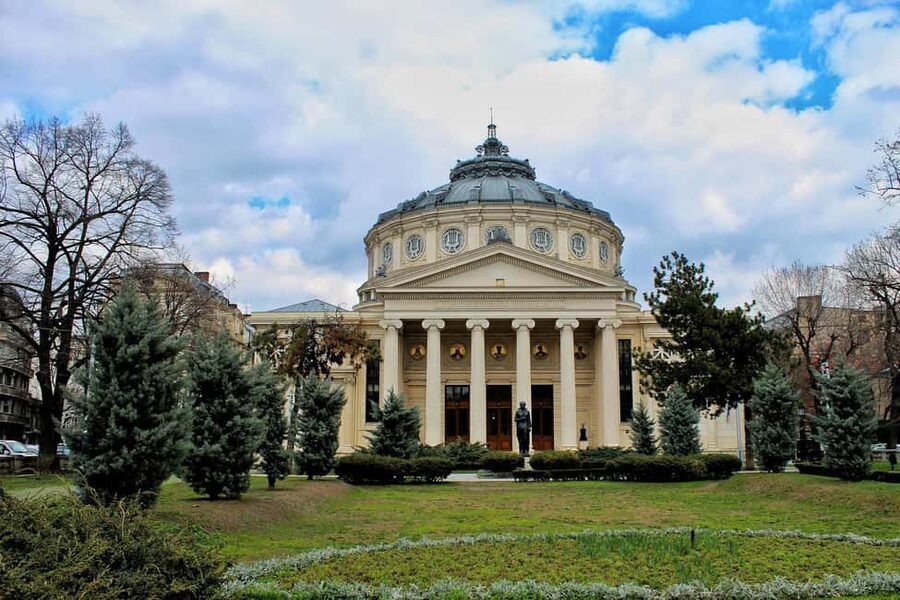
The Romanian Athenaeum is one of Bucharest’s most recognizable buildings. Its grand architecture represents national pride, culture, and the arts. Here, the tour shifts from slavery to the way a country tells its own story.
The stop is brief, around 15 minutes, but it adds useful context. You will consider how cultural institutions have helped shape ideas about who belongs in the national picture and how Roma people have been portrayed or overlooked over time.
This is a good example of the tour’s method. You are not visiting a Roma-only site at every stop. Instead, you are looking at famous Bucharest places through a Roma lens. That approach helps you connect minority history with the wider story of Romania.
The Athenaeum is also one of the more conventional sightseeing moments. If you want a tour packed with interiors, formal exhibits, or performances, this walk will not provide them. You are mainly passing by, listening, and discussing.
A café break that gives the subject room to breathe
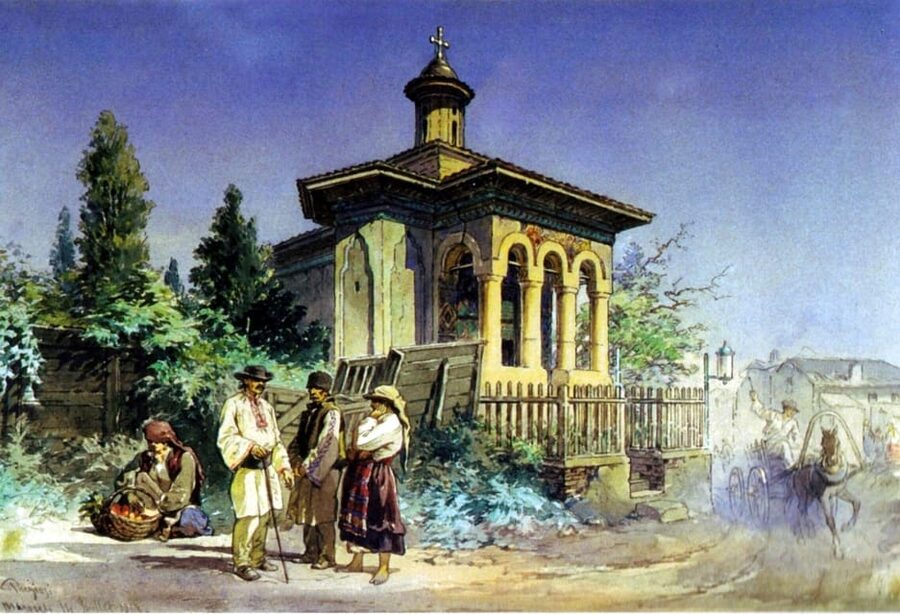
The itinerary includes a 15-minute break at a local café. Food and drinks are not included, so budget for anything you want to purchase.
This pause matters more than it may seem. The tour covers slavery, discrimination, the Holocaust, communism, and present-day social challenges. A short break lets you process the material and ask questions before moving on.
The café stop also helps keep the walk from becoming a nonstop lecture. Several guides have used a mix of conversation, photographs, and pauses well, giving you time to sit and speak rather than simply follow a speech through city streets.
Because starting times vary, check availability before booking. The total duration is three hours, so allow enough time for a thoughtful walk rather than a quick circuit of central Bucharest.
More Bucharest walking tours:
- Bucharest: City Highlights Guided Walking Tour
★ 4.9 · 1,482 reviews - Bucharest Highlights Walking Tour
★ 5.0 · 469 reviews - Bucharest: Ghost Stories & Romanian Mythology Walking Tour
★ 4.9 · 287 reviews - Bucharest: Guided Walking Tour with Romanian Snack
★ 4.9 · 228 reviews
Cișmigiu Gardens and the myths surrounding Roma life
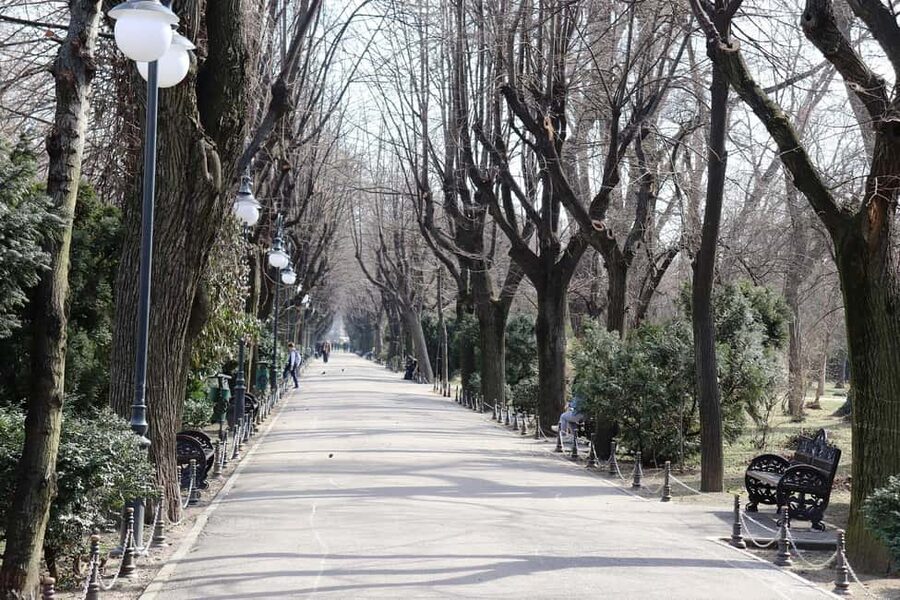
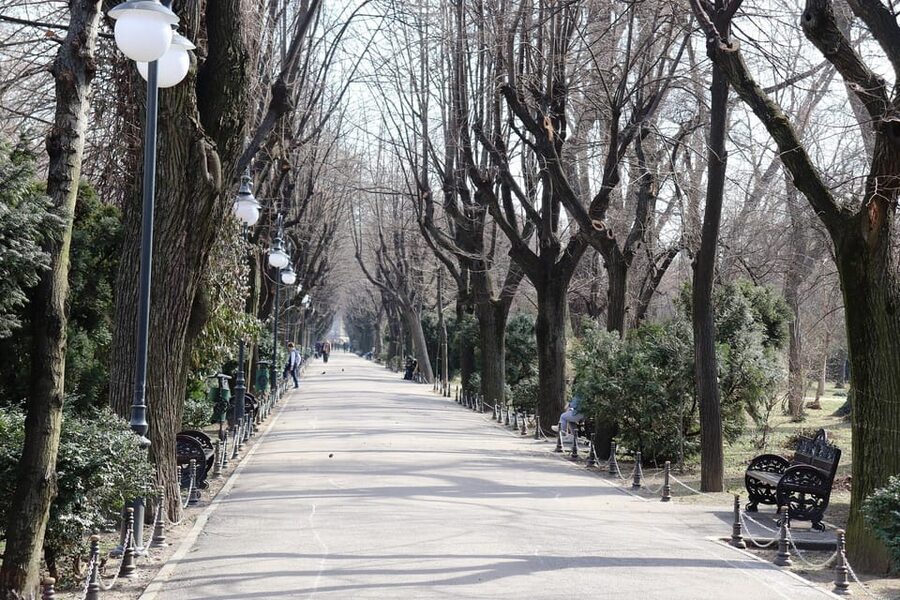
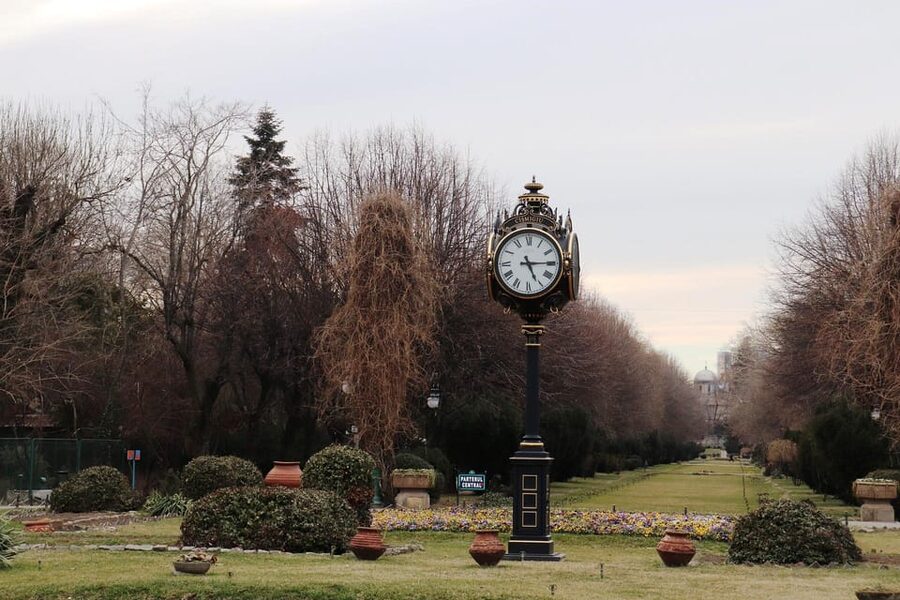
Cișmigiu Gardens is Bucharest’s oldest and largest garden. Its tree-lined paths and quiet corners provide a welcome change after the city streets, but the subject remains serious.
The guide uses the park to separate fact from fiction about Roma people. This can include common ideas about Roma culture, family life, work, traditions, and social behavior. The aim is not to replace one stereotype with another. It is to show that Roma communities are not all alike and that customs should be understood in context.
A garden is a useful setting for this conversation. You are away from traffic and can focus on the discussion. The 30-minute stop is also one of the longer sections of the route, giving the guide time to explain rather than rush through a list of facts.
The park offers practical relief as well. Guides have been attentive to hot weather, using shade and stopping for water. There are also opportunities to sit and find toilet facilities along the route. Still, wear comfortable shoes and bring water, since this remains a three-hour city walk.
The Holocaust Memorial and Romania’s Roma victims
The Holocaust Memorial is one of the most important stops. Here, the tour addresses the persecution and genocide of Roma people in Romania, including the thousands who were killed.
This section can be emotionally difficult, but it is essential. Roma history is often reduced to slavery or modern poverty, while wartime persecution receives less attention than it should. The memorial gives that history a physical place in Bucharest.
You will have time for a photo stop and guided explanation. The guide connects the monument to the larger story of discrimination and state violence. This makes the visit more than a quick photograph. It asks you to consider how public memory works and whose suffering is remembered.
Approach this part with respect. The tour is not designed as light entertainment, even though guides may use humor and personal stories elsewhere to keep the overall discussion human and approachable.
Kogălniceanu Square, communism, and Revolution Square
The walk continues through Piața Kogălniceanu and toward Revolution Square. These streets carry traces of Romania’s communist period and later political change.
The communist section looks at how state policy affected Roma people. You will hear about the pressures and difficulties faced by Roma communities under the regime, adding another period to the story of control and exclusion.
The route then passes Revolution Square, a major Bucharest landmark associated with the country’s modern political history. Here, the guide connects Romania’s wider social and political changes to the position of Roma people within society.
These stops are mostly walking and passing by, so do not expect a dedicated museum visit. Their value comes from the explanation. A building or square may look impressive on its own, but the guide shows how it fits into Romania’s political story and why that story matters to Roma communities.
The route is strongest when you listen actively. Ask about terms, dates, music, symbols, or modern discrimination. The guides have been praised for answering questions patiently and explaining complex subjects in clear language rather than turning the walk into an academic lecture.
What the guides bring to the experience
The guide can make or break a tour about a sensitive subject. Andreea has been described as clear, patient, and careful, using images and links to music and public artworks to reinforce the discussion. Daniela has been praised for her broad grasp of Romanian history, empathy, candor, humor, and follow-up communication with cultural links.
Mihail brings a direct style to topics such as slavery, Roma identity, and Bucharest. His approach has been described as honest without feeding stereotypes. That balance matters. You should leave with more understanding, not a fresh collection of simplified labels.
The guides also appear attentive to practical needs. The walk includes places to sit, breaks, water pauses in hot weather, and time for questions. Those details are important because three hours of serious discussion can be tiring, especially in summer.
One honest limitation remains: the experience is guide-led rather than built around extensive interaction with Roma residents. If hearing Roma voices directly is your priority, ask the operator whether a particular departure includes a Roma guide, artisan, or community participant. The optional workshop provides that kind of connection more directly.
The optional jewelry workshop at Mesteshukar ButiQ
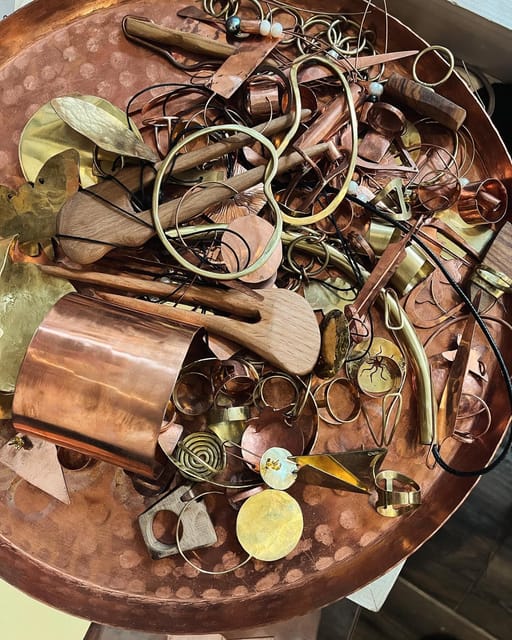
At the end, you can add a jewelry workshop at Mesteshukar ButiQ, also known as MBQ. With the option selected, you make your own piece with an authentic Roma craftsman in a traditional workshop.
This changes the tone from listening to doing. After learning about persecution, prejudice, and social barriers, you get to see skill, design, and craft as living parts of Roma culture. The workshop also gives you a tangible reminder of the experience instead of ending with the last monument.
The jewelry session is optional, and the listed option includes transportation. Food and drinks are not included. If your schedule allows, I would choose the workshop because it adds a direct creative element and offers more contact with Roma cultural work than the walking route alone.
The tour finish is listed at Mesteshukar ButiQ, while the meeting information also describes the activity as ending back at the meeting point. Because those details do not fully match, confirm the exact end arrangement when you book, especially if you have a timed reservation afterward.
Is $29 a fair price?
At $29 per person, the tour is good value if you want a focused history and culture walk rather than a general introduction to Bucharest. You are paying for three hours with a live English-speaking guide, not simply a route between landmarks.
The price makes sense because the subject requires explanation. The former slave-market site, Holocaust Memorial, and communist-era locations would mean little without context. A standard sightseeing walk might show you the Athenaeum and Cișmigiu Gardens, but it would not connect them to Roma history and present-day discrimination.
The optional workshop changes the calculation. It includes the jewelry activity and transportation when selected, so compare the added price with your interest in hands-on craft and direct cultural contact. The base tour does not include food or drinks, but the short café stop keeps extra costs modest.
Free cancellation up to 24 hours before the activity and the reserve-now-pay-later option also reduce the risk of fitting it into a changing Bucharest schedule.
Who should book this walk?
You should book it if you want to understand Romania beyond royal buildings, communist architecture, and broad city history. It suits curious adults, students, educators, and anyone interested in minority rights, migration, prejudice, or European social history.
It is also a good choice if you prefer a small-scale walking experience where you can ask questions. The route combines serious explanation with parks, public squares, photographs, stories, and breaks, so it does not feel like three hours of formal classroom teaching.
You may want to skip it if you are looking for a light sightseeing walk or a tour focused on Roma food, music, or everyday neighborhood life. The central subject is history and social conditions. You should also know that direct contact with Roma community members is limited on the main walk, though the jewelry workshop adds a more personal and practical connection.
Should you book the Roma history walking tour?
Book it if you want a clear, respectful explanation of Roma history in Romania and are willing to spend three hours on difficult subjects. The tour connects slavery, Holocaust persecution, communism, cultural survival, and present-day prejudice in a way that makes Bucharest’s familiar landmarks newly meaningful.
Choose a departure led by a guide whose communication style suits you if that information is available. Andreea, Daniela, and Mihail have each been praised for clarity, empathy, patience, and careful handling of sensitive material. Add the jewelry workshop if you want the experience to include craft and direct contact with Roma cultural work.
This is not a replacement for hearing many Roma voices, but it is a strong way to begin asking better questions about Romania and the people who have too often been left out of its public story.
FAQ
How long does the walking tour last?
The tour lasts three hours.
Where does the tour begin?
Meet in the small square in front of Teatrul Ion Creangă, Sala Mare. It is about a three-minute walk from Piața Romana metro station.
What language is the tour offered in?
The live guided tour is offered in English.
What Bucharest landmarks are included?
The route includes the former slave-market site, Romanian Athenaeum, Cișmigiu Gardens, Holocaust Memorial, Piața Kogălniceanu, and Revolution Square.
Is the jewelry workshop included?
The jewelry workshop is optional. When selected, it includes the workshop and transportation. The activity takes place at Mesteshukar ButiQ with a Roma craftsman.
Are food and drinks included?
No. Food and drinks are not included, although the route includes a 15-minute break at a local café.
Can I cancel the booking?
Yes. You can cancel up to 24 hours in advance for a full refund. A reserve-now-pay-later option is also available.
Newest Bucharest trips we have written up
- Bucharest: Dealu Mare Winery Private Trip with Wine Tasting★ 4.9 · 6 reviews
- Winery touring & private wine tasting – one day private tour★ 5.0 · 3 reviews
- Traditions in Bucharest: Village Museum and Wine Tasting★ 5.0 · 8 reviews
- Your rendez-vous with Europe’s past: time-travel to Maramures, Transylvania★ 5.0 · 6 reviews
- Village Museum Bucharest Guided Tour★ 5.0 · 6 reviews
- Private Wine Tasting at Bucharest’s First Wine Bar★ 5.0 · 3 reviews
- Wine tasting in Bucharest Old town – bonus cheese platter★ 4.5 · 6 reviews
- Walking Tour of Bucharest City Center – Private Tour★ 5.0 · 4 reviews
Bucharest Walking Tours, compared.
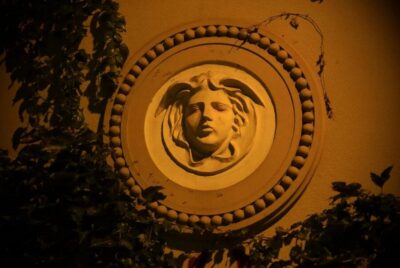
Ghost Stories & Romanian Mythology Walking Tour
Read our review →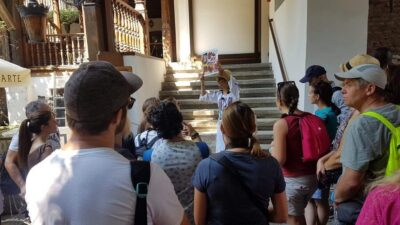
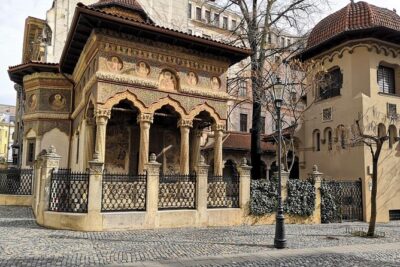
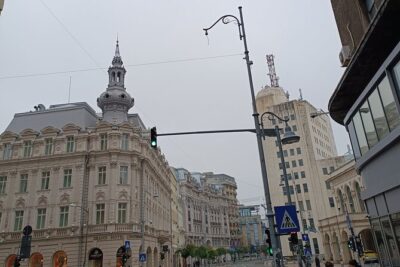
Walking Tour- Delightful Bucharest (Highlights, Stories, Sights)
Read our review →
4h Bucharest Private Tour (2h by Car and 2h Walking in Old Town)
Read our review →
Browse the lists this tour appears in